UK Minister Links Renewable Energy Push to National Security and Sabotage Resilience
Government argument reframes wind and solar expansion as a security strategy to reduce vulnerability in critical energy infrastructure
A UK government minister has framed the country’s accelerated shift toward renewable energy as a national security measure, arguing that a more diversified, decentralised power system reduces exposure to sabotage and disruption risks tied to concentrated fossil fuel infrastructure.
The argument places energy policy not only in the context of climate targets and cost stability, but also in the realm of infrastructure resilience and geopolitical security.
The central claim is structural: traditional energy systems rely heavily on large, centralised assets such as gas terminals, pipelines, refineries, and major power stations.
These assets, while efficient at scale, create high-value single points of failure.
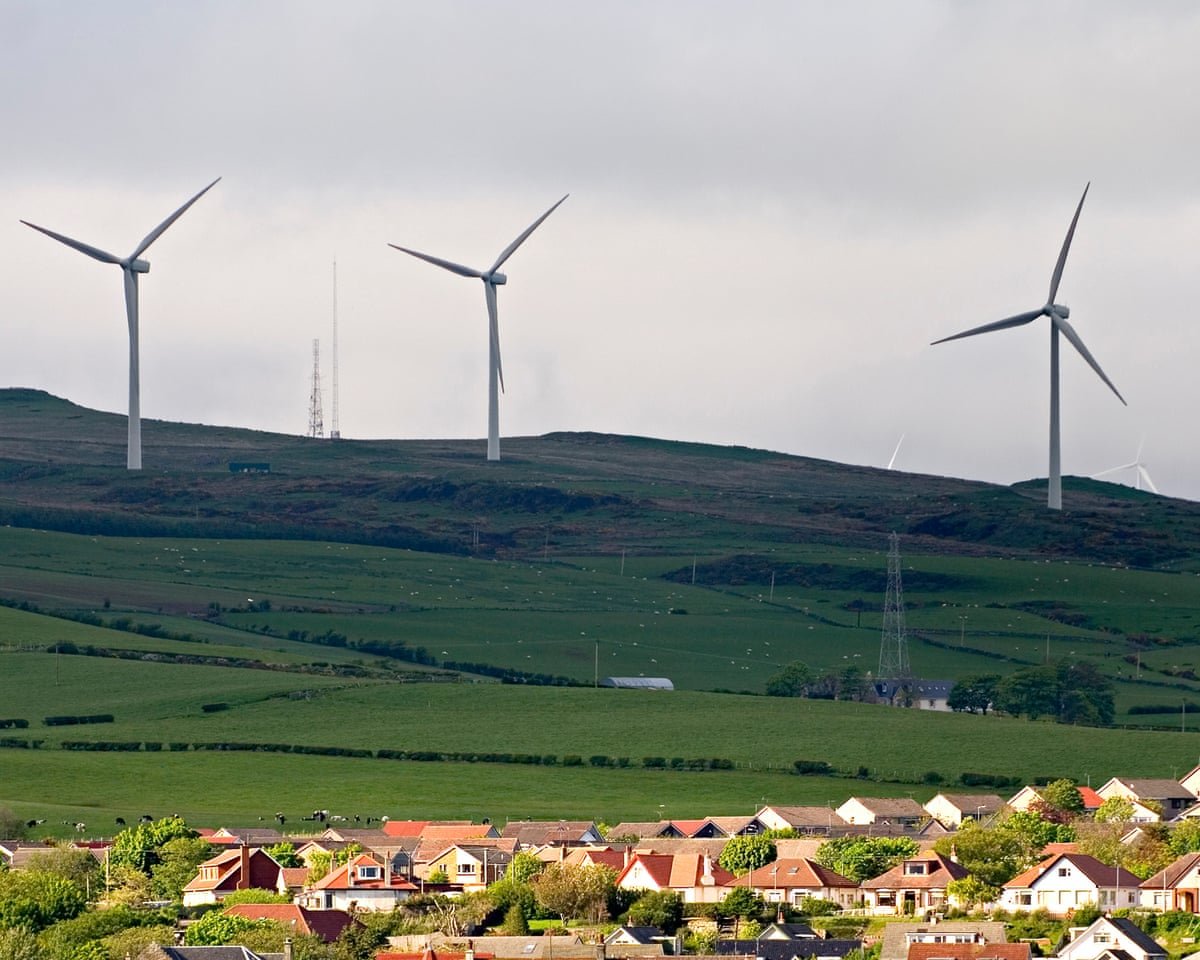
In contrast, renewable systems—particularly wind and solar paired with distributed grid connections—spread generation across thousands of smaller sites, making coordinated disruption more difficult.
The security framing draws on recent global experience of energy vulnerability.
In the past several years, critical infrastructure has been exposed to risks ranging from cyberattacks on grid operators to physical sabotage of undersea cables and pipelines.
The destruction of sections of major European gas infrastructure in 2022, alongside repeated warnings from intelligence agencies about cyber intrusions into energy networks, has intensified political attention on resilience.
Within this context, ministers argue that renewables reduce the strategic leverage that hostile actors could gain by targeting a small number of large installations.
A dispersed grid, they say, forces any attacker to confront a far more complex system with limited points of maximum impact.
Energy storage expansion and interconnection between regions are also presented as additional buffers against disruption.
However, the security argument is not universally accepted.
Critics point out that renewable-heavy systems introduce their own vulnerabilities, including dependence on long-distance transmission infrastructure, digital control systems, and global supply chains for components such as turbines, inverters, and rare earth materials.
These dependencies can create different forms of concentration risk even if physical generation is decentralised.
Grid operators also highlight operational challenges.
Intermittent generation requires balancing mechanisms such as backup generation, storage, and demand response systems.
Each of these layers introduces additional complexity, and complexity itself can become a security concern if it expands the number of potential failure points or cyberattack surfaces.
Despite these debates, the policy direction reflects a broader shift in how energy security is being defined.
Rather than focusing solely on fuel availability and price stability, governments are increasingly treating resilience against sabotage, cyber threats, and geopolitical disruption as core design criteria for national energy systems.
The immediate consequence of this framing is political reinforcement for ongoing investment in offshore wind, solar expansion, grid modernisation, and storage capacity.
It also strengthens the case for faster permitting and infrastructure rollout, positioning renewable deployment not only as an environmental objective but as a strategic security requirement.
Taken together, the argument signals a reframing of energy transition policy: from a primarily climate-driven agenda to a dual-purpose system in which decarbonisation and national security resilience are treated as mutually reinforcing goals shaping the structure of the UK power network.
The argument places energy policy not only in the context of climate targets and cost stability, but also in the realm of infrastructure resilience and geopolitical security.
The central claim is structural: traditional energy systems rely heavily on large, centralised assets such as gas terminals, pipelines, refineries, and major power stations.
These assets, while efficient at scale, create high-value single points of failure.
In contrast, renewable systems—particularly wind and solar paired with distributed grid connections—spread generation across thousands of smaller sites, making coordinated disruption more difficult.
The security framing draws on recent global experience of energy vulnerability.
In the past several years, critical infrastructure has been exposed to risks ranging from cyberattacks on grid operators to physical sabotage of undersea cables and pipelines.
The destruction of sections of major European gas infrastructure in 2022, alongside repeated warnings from intelligence agencies about cyber intrusions into energy networks, has intensified political attention on resilience.
Within this context, ministers argue that renewables reduce the strategic leverage that hostile actors could gain by targeting a small number of large installations.
A dispersed grid, they say, forces any attacker to confront a far more complex system with limited points of maximum impact.
Energy storage expansion and interconnection between regions are also presented as additional buffers against disruption.
However, the security argument is not universally accepted.
Critics point out that renewable-heavy systems introduce their own vulnerabilities, including dependence on long-distance transmission infrastructure, digital control systems, and global supply chains for components such as turbines, inverters, and rare earth materials.
These dependencies can create different forms of concentration risk even if physical generation is decentralised.
Grid operators also highlight operational challenges.
Intermittent generation requires balancing mechanisms such as backup generation, storage, and demand response systems.
Each of these layers introduces additional complexity, and complexity itself can become a security concern if it expands the number of potential failure points or cyberattack surfaces.
Despite these debates, the policy direction reflects a broader shift in how energy security is being defined.
Rather than focusing solely on fuel availability and price stability, governments are increasingly treating resilience against sabotage, cyber threats, and geopolitical disruption as core design criteria for national energy systems.
The immediate consequence of this framing is political reinforcement for ongoing investment in offshore wind, solar expansion, grid modernisation, and storage capacity.
It also strengthens the case for faster permitting and infrastructure rollout, positioning renewable deployment not only as an environmental objective but as a strategic security requirement.
Taken together, the argument signals a reframing of energy transition policy: from a primarily climate-driven agenda to a dual-purpose system in which decarbonisation and national security resilience are treated as mutually reinforcing goals shaping the structure of the UK power network.