Starmer in Saudi Arabia for Gulf Talks as UK Pushes Coordinated Response on Iran Tensions
Prime minister meets regional allies in Riyadh amid efforts to manage escalation risks, protect Gulf security, and coordinate diplomacy involving Iran and the US
Actor-driven diplomacy has brought UK Prime Minister Keir Starmer to Saudi Arabia for high-level talks with Gulf allies focused on regional security, Iran-related tensions, and coordination with broader US-linked diplomatic efforts.
What is confirmed is that Starmer is engaging with senior Gulf leadership during a visit aimed at strengthening political alignment on how to manage instability in the Middle East.
The talks are centered on a cluster of interconnected security issues, most prominently the ongoing tensions involving Iran and their wider regional impact.
These include risks to maritime security routes, energy infrastructure stability, and the broader balance of deterrence across the Gulf region.
Saudi Arabia’s leadership plays a central role in these discussions as both a major energy producer and a key regional power directly affected by fluctuations in regional security.
Qatar’s mediating role in regional diplomacy also forms part of the broader backdrop to these discussions, particularly given its established channels of communication with Iran and Western governments.
While the UK is not a direct party to all regional negotiations, it remains closely involved through defense cooperation, maritime security coordination, and diplomatic alignment with US and European partners.
The key issue driving the visit is the attempt to stabilize a fragile regional environment in which tensions involving Iran have repeatedly escalated into military and proxy confrontations.
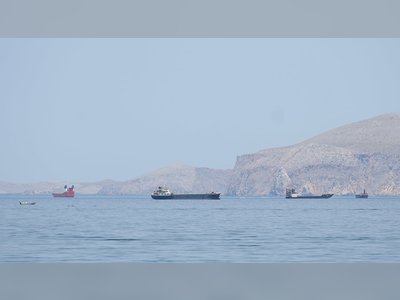
Gulf states face direct exposure to these risks through proximity, energy infrastructure, and strategic shipping lanes such as the Strait of Hormuz, which remains a critical artery for global oil and gas flows.
Within this context, the discussions in Saudi Arabia focus on reducing escalation risks, maintaining open maritime routes, and aligning diplomatic messaging among allied states.
While public statements emphasize cooperation and stability, the underlying challenge is the persistence of unresolved geopolitical disputes involving Iran and regional rivalries that continue to generate periodic crises.
What is confirmed is that no single comprehensive agreement emerges from the visit itself.
Instead, the engagement reflects a continuation of sustained diplomatic coordination aimed at managing volatility rather than resolving underlying conflicts.
The outcome is incremental reinforcement of cooperation frameworks among the UK and Gulf partners at a time of ongoing regional uncertainty.
What is confirmed is that Starmer is engaging with senior Gulf leadership during a visit aimed at strengthening political alignment on how to manage instability in the Middle East.
The talks are centered on a cluster of interconnected security issues, most prominently the ongoing tensions involving Iran and their wider regional impact.
These include risks to maritime security routes, energy infrastructure stability, and the broader balance of deterrence across the Gulf region.
Saudi Arabia’s leadership plays a central role in these discussions as both a major energy producer and a key regional power directly affected by fluctuations in regional security.
Qatar’s mediating role in regional diplomacy also forms part of the broader backdrop to these discussions, particularly given its established channels of communication with Iran and Western governments.
While the UK is not a direct party to all regional negotiations, it remains closely involved through defense cooperation, maritime security coordination, and diplomatic alignment with US and European partners.
The key issue driving the visit is the attempt to stabilize a fragile regional environment in which tensions involving Iran have repeatedly escalated into military and proxy confrontations.
Gulf states face direct exposure to these risks through proximity, energy infrastructure, and strategic shipping lanes such as the Strait of Hormuz, which remains a critical artery for global oil and gas flows.
Within this context, the discussions in Saudi Arabia focus on reducing escalation risks, maintaining open maritime routes, and aligning diplomatic messaging among allied states.
While public statements emphasize cooperation and stability, the underlying challenge is the persistence of unresolved geopolitical disputes involving Iran and regional rivalries that continue to generate periodic crises.
What is confirmed is that no single comprehensive agreement emerges from the visit itself.
Instead, the engagement reflects a continuation of sustained diplomatic coordination aimed at managing volatility rather than resolving underlying conflicts.
The outcome is incremental reinforcement of cooperation frameworks among the UK and Gulf partners at a time of ongoing regional uncertainty.