UK Is Falling Short of Nature Protection Targets as Oil and Gas Development Pressures Seas and Biodiversity Goals
Environmental watchdog and conservation groups warn that Britain risks missing legally binding nature recovery and 30% land and sea protection targets amid continued fossil fuel activities
The United Kingdom’s ambition to halt biodiversity loss and safeguard nature is faltering, with recent assessments showing that legally binding targets under the Environment Act 2021 are unlikely to be met and that protected ecosystems are under growing strain.
The Office for Environmental Protection has warned that seven of the ten environmental objectives — including those designed to reverse species decline — are off course, even as only a fraction of land is effectively conserved for nature’s recovery.
Conservation organisations and scientific bodies have also highlighted that the UK’s pledge to protect at least thirty per cent of land and sea for nature by two thousand and thirty — part of its commitment under the global biodiversity framework agreed at the United Nations Convention on Biological Diversity — is far from being realised.
The gap between the broad designation of protected areas and effective protection on the ground, particularly in marine environments where damaging activities remain permitted, underscores the struggle to translate targets into robust outcomes.
Domestic and international observers say this shortfall threatens vital habitats for wildlife and weakens the UK’s contribution to global conservation efforts.
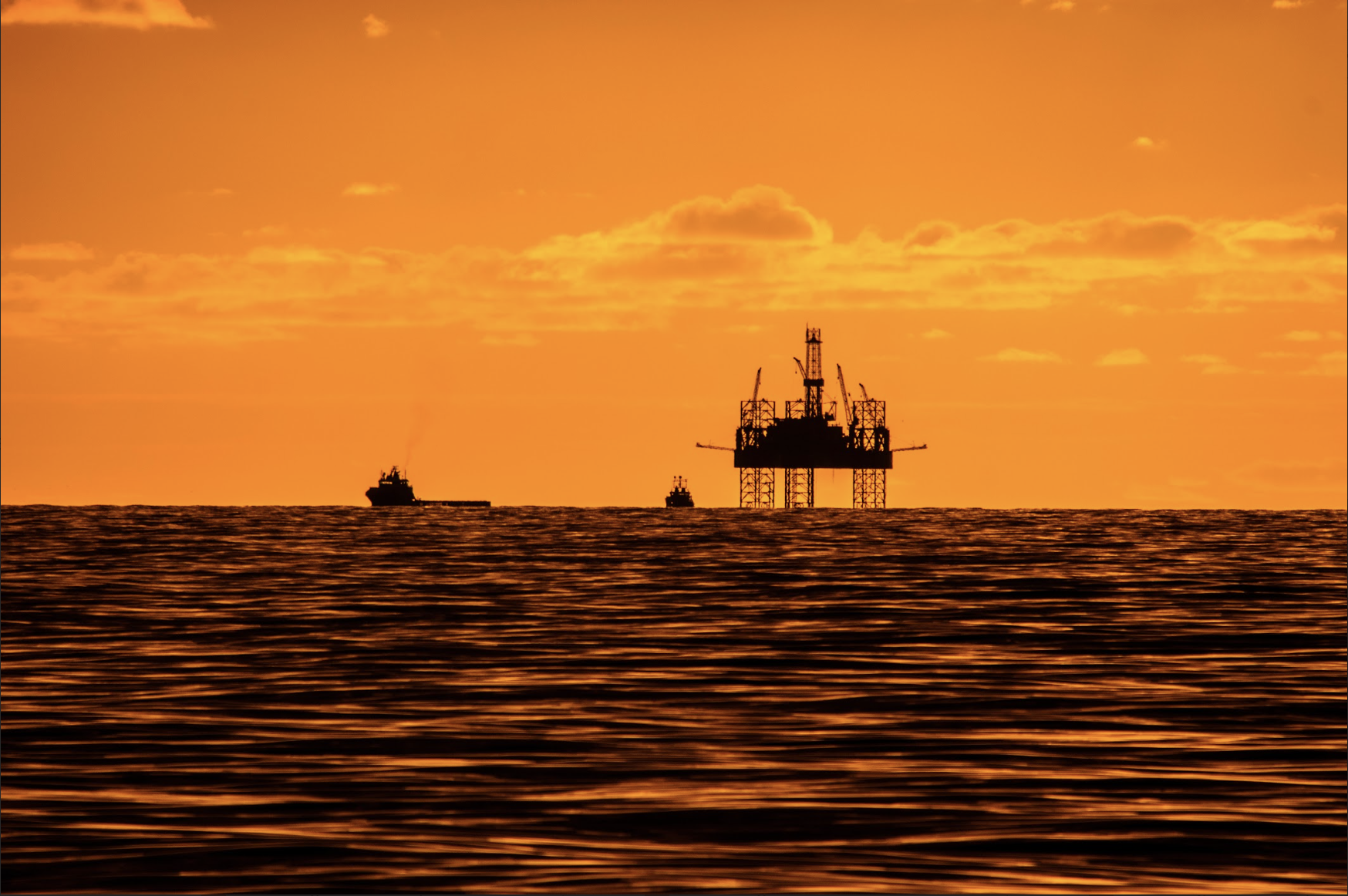
Critics of current policies contend that the expansion of oil and gas licences, including exploration and production activities that overlap with marine protected areas, runs counter to the spirit of the UK’s environmental commitments and jeopardises the ecological integrity of seas already designated for protection.
More than a third of locations offered in recent offshore licensing rounds fall within or intersect protected marine zones, raising concerns that fossil fuel development may undermine biodiversity goals while increasing risks of pollution and habitat disruption.
Campaigners point to the need for stronger management measures within marine protected areas, including comprehensive restrictions on destructive practices, to ensure these spaces function as effective refuges for marine life.
Scientific calls for whole-site protections and limits on activities such as bottom-towed fishing highlight broader anxieties that mere structural designations are insufficient without enforceable safeguards and adequate monitoring.
Government officials acknowledge the challenges ahead and have set out strategic plans, including measures to embed nature recovery into development and to manage existing North Sea oil and gas fields without issuing new exploration licences.
However, conservation groups and environmental watchdogs argue that current implementation and funding are inadequate to meet statutory obligations and that additional action is needed to integrate biodiversity protection with other policy priorities.
With less than five years remaining before the two thousand and thirty deadline, momentum appears to be lagging, prompting renewed debate over how the UK can reconcile economic and energy needs with national and international nature recovery commitments.
Emerging assessments indicate that the condition of many protected areas, both terrestrial and marine, remains poor and that urgent, effective interventions are required to avert further declines in wildlife and ecosystem health.
The Office for Environmental Protection has warned that seven of the ten environmental objectives — including those designed to reverse species decline — are off course, even as only a fraction of land is effectively conserved for nature’s recovery.
Conservation organisations and scientific bodies have also highlighted that the UK’s pledge to protect at least thirty per cent of land and sea for nature by two thousand and thirty — part of its commitment under the global biodiversity framework agreed at the United Nations Convention on Biological Diversity — is far from being realised.
The gap between the broad designation of protected areas and effective protection on the ground, particularly in marine environments where damaging activities remain permitted, underscores the struggle to translate targets into robust outcomes.
Domestic and international observers say this shortfall threatens vital habitats for wildlife and weakens the UK’s contribution to global conservation efforts.
Critics of current policies contend that the expansion of oil and gas licences, including exploration and production activities that overlap with marine protected areas, runs counter to the spirit of the UK’s environmental commitments and jeopardises the ecological integrity of seas already designated for protection.
More than a third of locations offered in recent offshore licensing rounds fall within or intersect protected marine zones, raising concerns that fossil fuel development may undermine biodiversity goals while increasing risks of pollution and habitat disruption.
Campaigners point to the need for stronger management measures within marine protected areas, including comprehensive restrictions on destructive practices, to ensure these spaces function as effective refuges for marine life.
Scientific calls for whole-site protections and limits on activities such as bottom-towed fishing highlight broader anxieties that mere structural designations are insufficient without enforceable safeguards and adequate monitoring.
Government officials acknowledge the challenges ahead and have set out strategic plans, including measures to embed nature recovery into development and to manage existing North Sea oil and gas fields without issuing new exploration licences.
However, conservation groups and environmental watchdogs argue that current implementation and funding are inadequate to meet statutory obligations and that additional action is needed to integrate biodiversity protection with other policy priorities.
With less than five years remaining before the two thousand and thirty deadline, momentum appears to be lagging, prompting renewed debate over how the UK can reconcile economic and energy needs with national and international nature recovery commitments.
Emerging assessments indicate that the condition of many protected areas, both terrestrial and marine, remains poor and that urgent, effective interventions are required to avert further declines in wildlife and ecosystem health.