
UK Intensifies Arctic Security Engagement as Trump’s Greenland Rhetoric Fuels Allied Concern
London joins NATO partners in bolstering defence strategy in the Arctic amid renewed U.S. pressure to acquire Greenland
The United Kingdom is stepping up efforts to reinforce Arctic security in close coordination with NATO allies as diplomatic tensions escalate over renewed comments by U.S. President Donald Trump about acquiring Greenland, a semi-autonomous territory of the Kingdom of Denmark.
British officials have indicated that discussions with other alliance members are under way to enhance military cooperation, deterrence and strategic presence in the region to counter perceived threats from Russia and China and to uphold the territorial integrity of NATO partners.
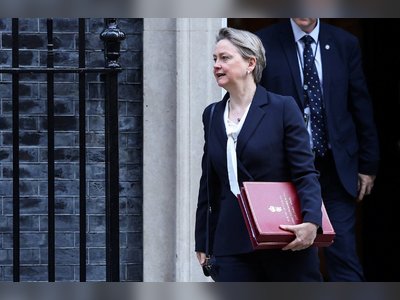
Transport Secretary Heidi Alexander described the ongoing dialogue with NATO as part of routine allied strategy rather than a direct response to Trump’s remarks, but acknowledged the heightened geopolitical context in which the talks are occurring.
She underscored shared concern about security developments in the High North and the importance of collective deterrence against Moscow and Beijing’s expanding influence, a position broadly aligned with President Trump’s stated strategic priorities for the Arctic.
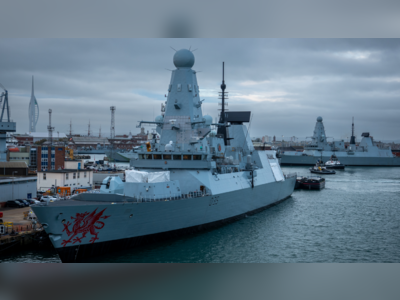
Reports have suggested that the United Kingdom, along with European partners such as Germany and France, has explored possibilities for joint deployments of troops, warships and aircraft to Greenland under NATO auspices as a visible commitment to regional stability and allied solidarity, particularly following comments by the U.S. administration indicating that military options remain on the table in pursuit of American interests there.
Such deployments would be aimed at deterring external threats and reinforcing Greenland’s defence as part of broader Arctic security measures.
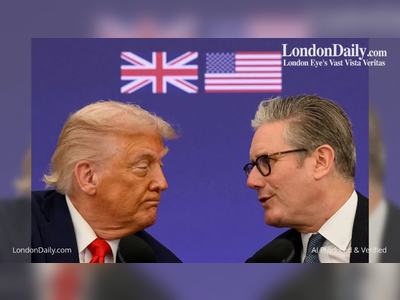
Prime Minister Keir Starmer has publicly backed Denmark’s stance that the future of Greenland should be determined solely by Greenlanders and the Danish kingdom, reaffirming the UK’s support for international law and the inviolability of sovereign borders.
In statements alongside European counterparts, Starmer and other leaders stressed that while the United States remains an essential NATO partner, the alliance’s core principles must be upheld and collective security strengthened, not undermined, by any power’s unilateral actions.
The situation has prompted broader diplomatic engagement as NATO prepares for talks involving U.S., Danish and Greenlandic officials, with alliance figures emphasising the importance of cooperation and respect for sovereign decision-making.
Discussions on Arctic security are expected to intensify in coming weeks, as allies weigh approaches to deterrence, defence investment and regional infrastructure against the backdrop of shifting strategic competition in the High North.
British officials have indicated that discussions with other alliance members are under way to enhance military cooperation, deterrence and strategic presence in the region to counter perceived threats from Russia and China and to uphold the territorial integrity of NATO partners.
Transport Secretary Heidi Alexander described the ongoing dialogue with NATO as part of routine allied strategy rather than a direct response to Trump’s remarks, but acknowledged the heightened geopolitical context in which the talks are occurring.
She underscored shared concern about security developments in the High North and the importance of collective deterrence against Moscow and Beijing’s expanding influence, a position broadly aligned with President Trump’s stated strategic priorities for the Arctic.
Reports have suggested that the United Kingdom, along with European partners such as Germany and France, has explored possibilities for joint deployments of troops, warships and aircraft to Greenland under NATO auspices as a visible commitment to regional stability and allied solidarity, particularly following comments by the U.S. administration indicating that military options remain on the table in pursuit of American interests there.
Such deployments would be aimed at deterring external threats and reinforcing Greenland’s defence as part of broader Arctic security measures.
Prime Minister Keir Starmer has publicly backed Denmark’s stance that the future of Greenland should be determined solely by Greenlanders and the Danish kingdom, reaffirming the UK’s support for international law and the inviolability of sovereign borders.
In statements alongside European counterparts, Starmer and other leaders stressed that while the United States remains an essential NATO partner, the alliance’s core principles must be upheld and collective security strengthened, not undermined, by any power’s unilateral actions.
The situation has prompted broader diplomatic engagement as NATO prepares for talks involving U.S., Danish and Greenlandic officials, with alliance figures emphasising the importance of cooperation and respect for sovereign decision-making.
Discussions on Arctic security are expected to intensify in coming weeks, as allies weigh approaches to deterrence, defence investment and regional infrastructure against the backdrop of shifting strategic competition in the High North.





Greenland, in light of Chinese mining export restrictions and increased arctic shipping by Russia, is of key importance to both Europe and North America. Until recently only America has been cognisant of this importance. This is likely his way of provoking Europe into behaving as though Greenland matters - because strategically it does. It is best to respond proactively, but failing that it is better to respond reactively to an ally than to a rival or an adversary.