UK Inquiry Hears Allegation That Undercover Police Tried to Incite Activists to Firebomb Shop
Testimony at the Undercover Policing Inquiry suggests a Met officer proposed extreme actions to activists while undercover, prompting scrutiny of decades-long covert operations
At a high-profile public inquiry in London, testimony has emerged claiming an undercover Metropolitan Police officer attempted to incite activists to undertake a firebombing attack on a shop allegedly linked to a far-right figure.
The Undercover Policing Inquiry, examining covert operations conducted by the Special Demonstration Squad and similar units from the late 1960s through the early 2000s, heard from former activists this week that the officer made repeated suggestions to target the premises — proposals they rejected outright.
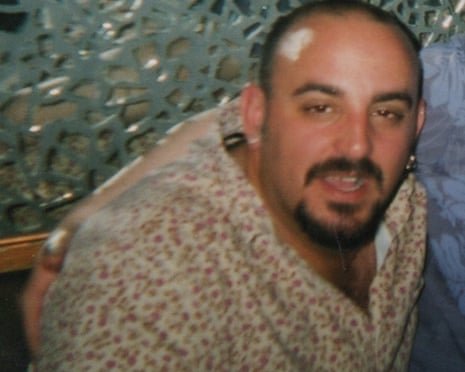
The officer named in the testimony, Carlo Soracchi, has denied the allegation and has offered an alternative account of the incident.
Witnesses told the inquiry that the incidents took place in the winter of 2002 and 2003, including during a New Year’s Eve gathering when one activist said Soracchi raised the notion of a firebombing in conversation, even pointing out the location of the shop.
The activists, involved in anti-fascist campaigning at the time, emphasised that they never considered acting on the suggestion and that the idea originated with the undercover operative himself.
The inquiry is assessing whether the conduct, if substantiated, would amount to acting as an agent provocateur — a serious allegation that strikes at the heart of lawful undercover policing standards.
Authorities are questioning Soracchi on the claims and on the accuracy of his covert reports.
The Undercover Policing Inquiry, established in 2014 after revelations about widespread covert surveillance of political and social justice groups, has already revealed a pattern of controversial conduct by officers embedded within campaigns ranging from environmental activism to anti-racism and anti-fascism.
Previous phases have exposed fabricated plots and deceptive reporting, while other testimony has detailed the use of intimate relationships and extensive intelligence gathering with limited oversight.
The tribunal, led by a retired judge, is now working through testimonies relating to Phase 2 of the inquiry’s third tranche, with further evidence expected in the coming weeks.
Soracchi’s legal representatives have indicated that he will respond to the allegations and that differing accounts of discussions around the shop exist, with disputes over who raised the suggestion internally.
The inquiry’s proceedings continue, with attention focused on both the boundaries of covert policing and the personal and legal implications for individuals whose lives were touched by decades of secret deployments.
The Undercover Policing Inquiry, examining covert operations conducted by the Special Demonstration Squad and similar units from the late 1960s through the early 2000s, heard from former activists this week that the officer made repeated suggestions to target the premises — proposals they rejected outright.
The officer named in the testimony, Carlo Soracchi, has denied the allegation and has offered an alternative account of the incident.
Witnesses told the inquiry that the incidents took place in the winter of 2002 and 2003, including during a New Year’s Eve gathering when one activist said Soracchi raised the notion of a firebombing in conversation, even pointing out the location of the shop.
The activists, involved in anti-fascist campaigning at the time, emphasised that they never considered acting on the suggestion and that the idea originated with the undercover operative himself.
The inquiry is assessing whether the conduct, if substantiated, would amount to acting as an agent provocateur — a serious allegation that strikes at the heart of lawful undercover policing standards.
Authorities are questioning Soracchi on the claims and on the accuracy of his covert reports.
The Undercover Policing Inquiry, established in 2014 after revelations about widespread covert surveillance of political and social justice groups, has already revealed a pattern of controversial conduct by officers embedded within campaigns ranging from environmental activism to anti-racism and anti-fascism.
Previous phases have exposed fabricated plots and deceptive reporting, while other testimony has detailed the use of intimate relationships and extensive intelligence gathering with limited oversight.
The tribunal, led by a retired judge, is now working through testimonies relating to Phase 2 of the inquiry’s third tranche, with further evidence expected in the coming weeks.
Soracchi’s legal representatives have indicated that he will respond to the allegations and that differing accounts of discussions around the shop exist, with disputes over who raised the suggestion internally.
The inquiry’s proceedings continue, with attention focused on both the boundaries of covert policing and the personal and legal implications for individuals whose lives were touched by decades of secret deployments.