UK divers and Royal Navy prepare for high-risk mine-clearing mission in Strait of Hormuz
British mine warfare specialists are on standby as the UK aligns with allies preparing to reopen a strategically vital shipping corridor amid rising maritime security tensions
British Royal Navy diving units and specialist mine warfare teams are being placed on standby as part of preparations for a potential multinational operation to clear naval mines in the Strait of Hormuz, one of the world’s most critical maritime chokepoints.
The preparations form part of a broader UK and allied effort to restore safe navigation through the waterway following the reported deployment of sea mines that have disrupted commercial shipping routes.
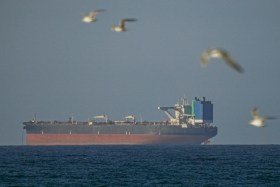
The Strait of Hormuz, which connects the Persian Gulf with the Arabian Sea, is essential for global energy flows, with a significant proportion of the world’s oil trade passing through it.
UK defence sources indicate that elite divers from specialist Royal Navy units, supported by advanced mine countermeasure capabilities, are being readied for deployment should operational conditions allow.
These personnel are trained to locate and neutralise both moored and seabed mines in extremely high-risk underwater environments, often working in low visibility and under threat conditions.
The British preparations are taking place alongside wider allied planning led by the United Kingdom, France, and the United States, which have already begun initial mine-clearance operations in the region using a combination of naval vessels, autonomous underwater drones, and advanced sonar systems.
The multinational approach reflects growing concern over the security of global shipping lanes in the area.
Recent military activity has included the deployment of U.S. Navy destroyers and underwater drone systems to establish safe navigation corridors through sections of the strait.
These operations are intended to gradually reopen commercial transit routes while reducing the risk posed by submerged explosive devices.
British naval planning also involves adapting existing platforms, including support ships configured to act as motherships for autonomous mine-hunting systems.
This approach is intended to reduce risk to personnel while increasing the speed and precision of detection operations in heavily contested waters.
Officials emphasise that any deployment of UK divers would be strictly defensive in nature, focused on ensuring freedom of navigation and supporting international maritime security.
However, they also acknowledge that mine clearance in the Strait of Hormuz remains one of the most technically complex and dangerous naval tasks, requiring careful coordination between allied forces and advanced remote sensing technologies.
Further operational decisions are expected to depend on evolving conditions in the region and ongoing multinational consultations aimed at stabilising maritime access through the strait.
The preparations form part of a broader UK and allied effort to restore safe navigation through the waterway following the reported deployment of sea mines that have disrupted commercial shipping routes.
The Strait of Hormuz, which connects the Persian Gulf with the Arabian Sea, is essential for global energy flows, with a significant proportion of the world’s oil trade passing through it.
UK defence sources indicate that elite divers from specialist Royal Navy units, supported by advanced mine countermeasure capabilities, are being readied for deployment should operational conditions allow.
These personnel are trained to locate and neutralise both moored and seabed mines in extremely high-risk underwater environments, often working in low visibility and under threat conditions.
The British preparations are taking place alongside wider allied planning led by the United Kingdom, France, and the United States, which have already begun initial mine-clearance operations in the region using a combination of naval vessels, autonomous underwater drones, and advanced sonar systems.
The multinational approach reflects growing concern over the security of global shipping lanes in the area.
Recent military activity has included the deployment of U.S. Navy destroyers and underwater drone systems to establish safe navigation corridors through sections of the strait.
These operations are intended to gradually reopen commercial transit routes while reducing the risk posed by submerged explosive devices.
British naval planning also involves adapting existing platforms, including support ships configured to act as motherships for autonomous mine-hunting systems.
This approach is intended to reduce risk to personnel while increasing the speed and precision of detection operations in heavily contested waters.
Officials emphasise that any deployment of UK divers would be strictly defensive in nature, focused on ensuring freedom of navigation and supporting international maritime security.
However, they also acknowledge that mine clearance in the Strait of Hormuz remains one of the most technically complex and dangerous naval tasks, requiring careful coordination between allied forces and advanced remote sensing technologies.
Further operational decisions are expected to depend on evolving conditions in the region and ongoing multinational consultations aimed at stabilising maritime access through the strait.