Mandelson Scandal Deepens Pressure on Starmer as Questions Over Vetting and Governance Intensify
A widening row over Peter Mandelson’s appointment as UK ambassador to the United States has triggered scrutiny of Prime Minister Keir Starmer’s leadership and claims of a stable government
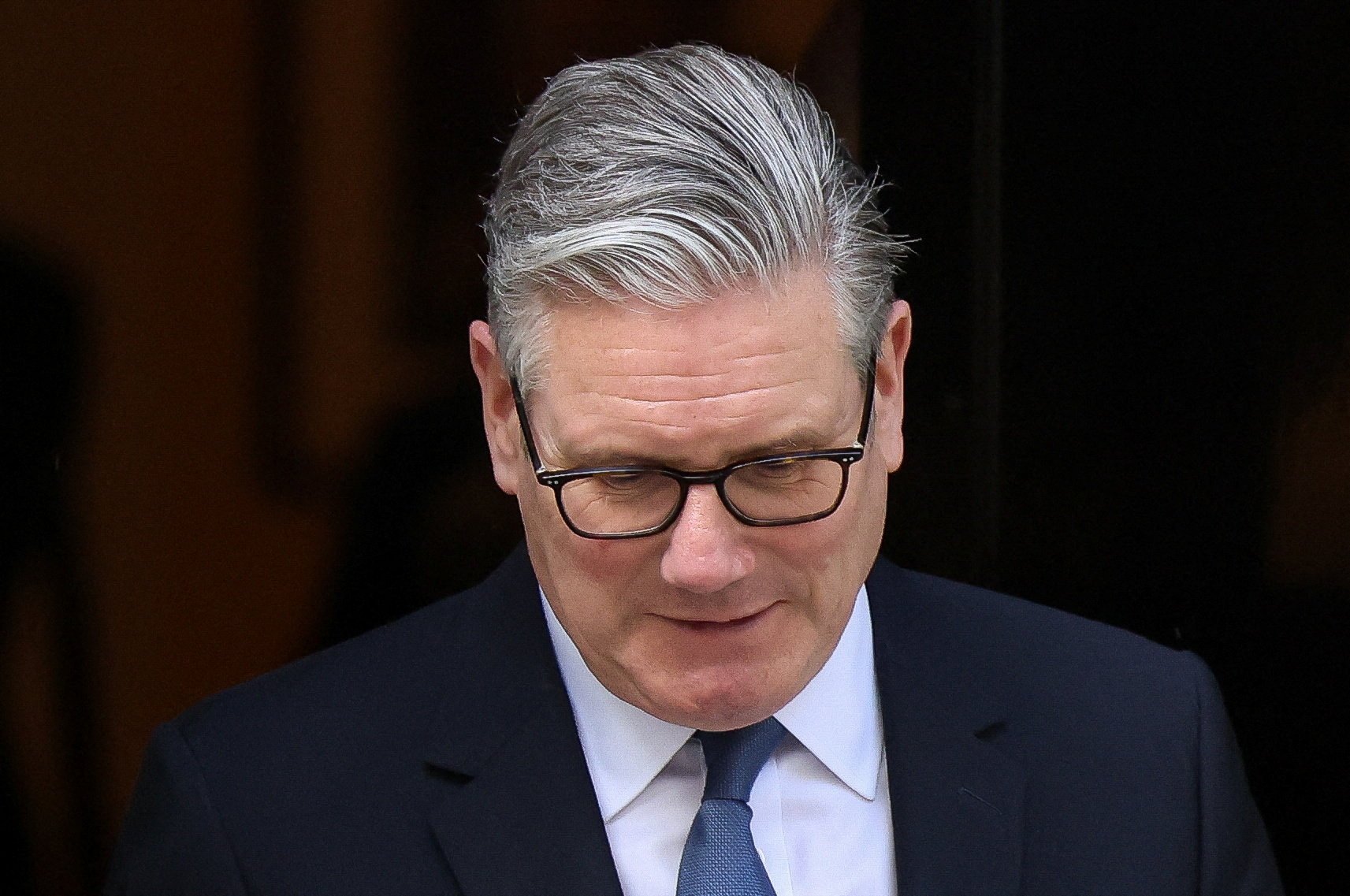
A political crisis surrounding the appointment of veteran Labour figure Peter Mandelson as the United Kingdom’s ambassador to the United States has escalated into a broader challenge for Prime Minister Keir Starmer, undermining his central pledge to restore stability and disciplined governance.
The controversy centres on allegations that Mandelson was appointed despite internal security vetting concerns, with reports indicating that official recommendations against his clearance were overridden within parts of the Foreign Office.
The decision, taken during Starmer’s tenure, has since become the focus of a parliamentary and administrative investigation into how diplomatic appointments are approved at the highest level of government.
Mandelson, a long-standing and influential figure within the Labour movement, was initially appointed to the post in late 2024 and assumed his duties in early 2025. However, his tenure later became the subject of intense scrutiny following disclosures about his historical associations with convicted sex offender Jeffrey Epstein, prompting his removal from the role in September 2025.
In recent days, the scandal has intensified following testimony from former senior officials who claim that pressure may have been exerted on civil servants during the appointment process.
These accounts have triggered further institutional upheaval, including dismissals and resignations within the civil service and political advisory teams connected to the decision.
Starmer has acknowledged that the appointment process was flawed and has expressed regret over aspects of the decision, while maintaining that he was not aware of any alleged breaches of standard vetting procedures at the time.
His office has rejected suggestions of improper conduct, insisting that established procedures were followed and that responsibility lies within the administrative chain.
Opposition figures have seized on the controversy, arguing that it exposes weaknesses in oversight and decision-making at the heart of government.
Supporters of the prime minister, however, argue that the response demonstrates accountability and an ongoing effort to reinforce procedural integrity within public appointments.
The affair has now become a defining test of Starmer’s leadership, with parliamentary inquiries ongoing and further testimony expected from senior officials involved in the vetting and approval process.
As political pressure mounts, the episode has shifted from a personnel dispute into a wider debate over governance standards, institutional trust, and the resilience of the government’s authority.
The outcome of ongoing investigations and parliamentary scrutiny is expected to shape both the future of key officials involved and the broader perception of stability within Starmer’s administration.
The controversy centres on allegations that Mandelson was appointed despite internal security vetting concerns, with reports indicating that official recommendations against his clearance were overridden within parts of the Foreign Office.
The decision, taken during Starmer’s tenure, has since become the focus of a parliamentary and administrative investigation into how diplomatic appointments are approved at the highest level of government.
Mandelson, a long-standing and influential figure within the Labour movement, was initially appointed to the post in late 2024 and assumed his duties in early 2025. However, his tenure later became the subject of intense scrutiny following disclosures about his historical associations with convicted sex offender Jeffrey Epstein, prompting his removal from the role in September 2025.
In recent days, the scandal has intensified following testimony from former senior officials who claim that pressure may have been exerted on civil servants during the appointment process.
These accounts have triggered further institutional upheaval, including dismissals and resignations within the civil service and political advisory teams connected to the decision.
Starmer has acknowledged that the appointment process was flawed and has expressed regret over aspects of the decision, while maintaining that he was not aware of any alleged breaches of standard vetting procedures at the time.
His office has rejected suggestions of improper conduct, insisting that established procedures were followed and that responsibility lies within the administrative chain.
Opposition figures have seized on the controversy, arguing that it exposes weaknesses in oversight and decision-making at the heart of government.
Supporters of the prime minister, however, argue that the response demonstrates accountability and an ongoing effort to reinforce procedural integrity within public appointments.
The affair has now become a defining test of Starmer’s leadership, with parliamentary inquiries ongoing and further testimony expected from senior officials involved in the vetting and approval process.
As political pressure mounts, the episode has shifted from a personnel dispute into a wider debate over governance standards, institutional trust, and the resilience of the government’s authority.
The outcome of ongoing investigations and parliamentary scrutiny is expected to shape both the future of key officials involved and the broader perception of stability within Starmer’s administration.