
UK Declines to Join Trump’s ‘Board of Peace’ Over Concerns About Putin’s Role
Britain supports broader peace plan for Gaza but refrains from signing up to a new international peace body amid unease over Russia’s involvement
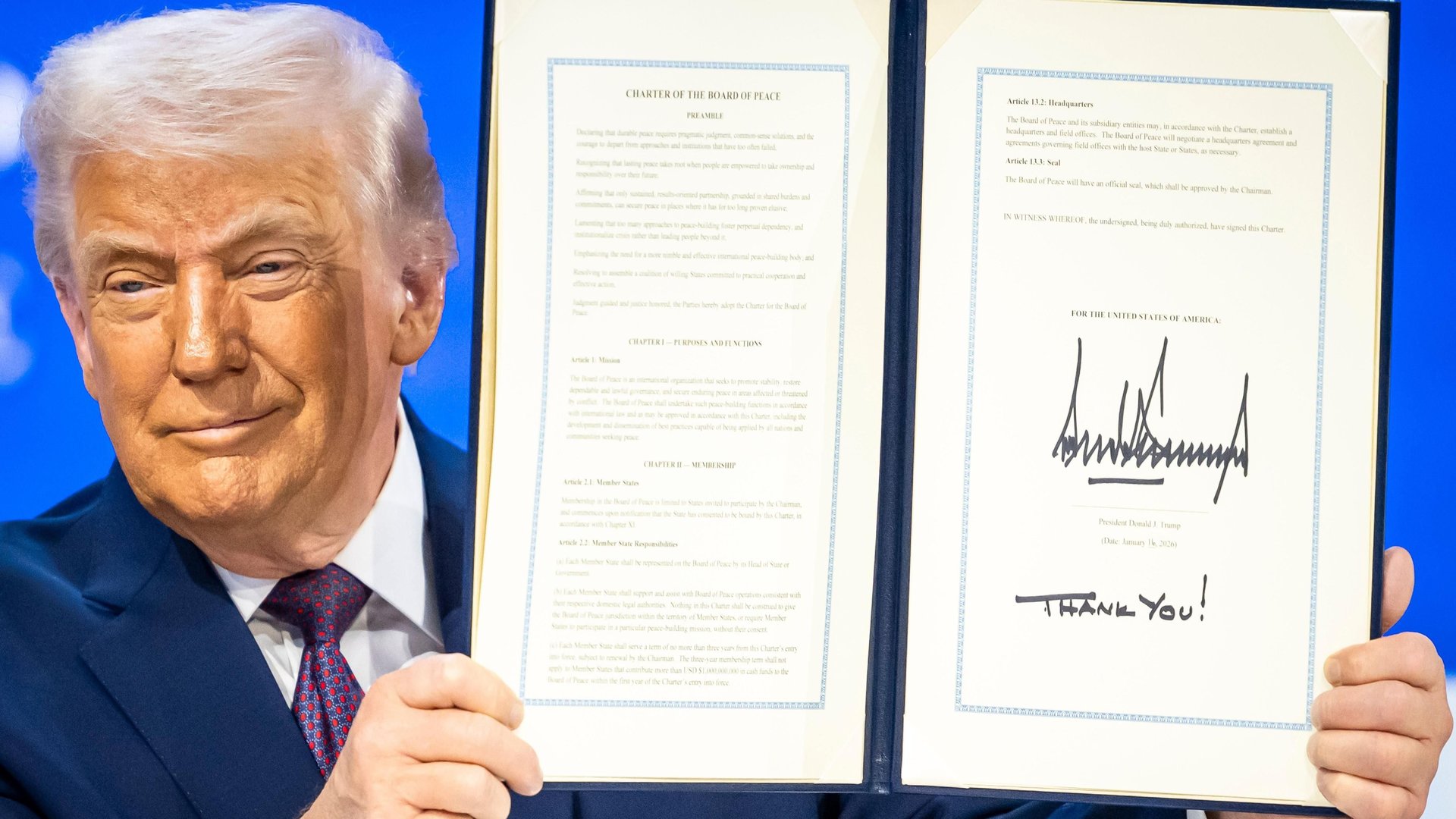
The United Kingdom has declined to participate in the initial signing of U.S. President Donald Trump’s newly proposed “Board of Peace,” citing serious concerns about Russian President Vladimir Putin’s potential involvement and broader legal implications, senior British officials said as world leaders meet at the World Economic Forum in Davos.
Britain’s foreign secretary confirmed that although the UK supports the wider objectives of Trump’s peace initiative, including a comprehensive twenty-point plan for Gaza, it would not be among the states signing the founding treaty at the inaugural ceremony.
Speaking from Davos, the foreign secretary emphasised that the Board of Peace is framed as a legal treaty with far-reaching implications, and that Moscow’s possible participation raises fundamental questions about the credibility of a peace body when Russia has yet to demonstrate a genuine commitment to ending its war in Ukraine.
The UK government said that while it welcomes international efforts to secure lasting peace in conflict zones, including in the Middle East, it prefers to work through established multilateral frameworks and is cautious about endorsing initiatives that might undercut or complicate existing institutions.
Critics of the Board of Peace have also noted that several major European countries, including France, Norway, Sweden and Slovenia, have so far declined to join, underscoring political reservations among traditional Western allies.
While Trump has touted the Board as a potentially transformative platform for conflict resolution, with members and supporters spanning the Middle East, Asia and beyond, the UK’s decision reflects a strategic calculation about the geopolitical landscape, diplomatic priorities and the complexities of involving actors whose recent conduct in global conflicts has been widely criticised.
British officials have indicated ongoing discussions with allies on the most effective ways to engage with peace efforts and support reconstruction in Gaza without compromising their principles on international law and conflict resolution.
Britain’s foreign secretary confirmed that although the UK supports the wider objectives of Trump’s peace initiative, including a comprehensive twenty-point plan for Gaza, it would not be among the states signing the founding treaty at the inaugural ceremony.
Speaking from Davos, the foreign secretary emphasised that the Board of Peace is framed as a legal treaty with far-reaching implications, and that Moscow’s possible participation raises fundamental questions about the credibility of a peace body when Russia has yet to demonstrate a genuine commitment to ending its war in Ukraine.
The UK government said that while it welcomes international efforts to secure lasting peace in conflict zones, including in the Middle East, it prefers to work through established multilateral frameworks and is cautious about endorsing initiatives that might undercut or complicate existing institutions.
Critics of the Board of Peace have also noted that several major European countries, including France, Norway, Sweden and Slovenia, have so far declined to join, underscoring political reservations among traditional Western allies.
While Trump has touted the Board as a potentially transformative platform for conflict resolution, with members and supporters spanning the Middle East, Asia and beyond, the UK’s decision reflects a strategic calculation about the geopolitical landscape, diplomatic priorities and the complexities of involving actors whose recent conduct in global conflicts has been widely criticised.
British officials have indicated ongoing discussions with allies on the most effective ways to engage with peace efforts and support reconstruction in Gaza without compromising their principles on international law and conflict resolution.