UK Weighs Future Role in Strait of Hormuz as Regional Conflict Nears Resolution
Government considers long-term security and diplomatic strategy for key global shipping route
The United Kingdom is assessing its future role in the Strait of Hormuz as the regional conflict involving Iran moves toward a potential conclusion, with policymakers considering how best to balance security commitments and diplomatic priorities in the post-conflict environment.
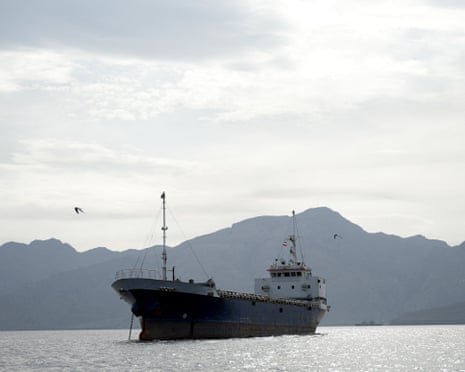
Officials have indicated that the UK’s involvement will likely focus on maintaining stability in the strategically vital waterway, which serves as a critical artery for global energy supplies.
Ensuring continued freedom of navigation and safeguarding commercial shipping are expected to remain central objectives.
Military planners are evaluating whether a continued naval presence will be required once hostilities subside, particularly in light of ongoing concerns about maritime security and the need to deter potential disruptions.
At the same time, there is growing emphasis on diplomatic engagement and multilateral cooperation to support long-term stability in the region.
The UK’s approach is expected to align closely with that of its international partners, including European allies and the United States, though officials have signaled that future decisions will be shaped by evolving conditions on the ground and the outcomes of ongoing negotiations.
Analysts suggest that the post-conflict phase could present an opportunity for a recalibrated strategy, combining targeted military readiness with renewed diplomatic initiatives aimed at reducing tensions and building confidence among regional actors.
The government has not yet outlined a definitive plan, but discussions are ongoing as it seeks to define a role that supports both international security and broader efforts to stabilize one of the world’s most important maritime corridors.
Officials have indicated that the UK’s involvement will likely focus on maintaining stability in the strategically vital waterway, which serves as a critical artery for global energy supplies.
Ensuring continued freedom of navigation and safeguarding commercial shipping are expected to remain central objectives.
Military planners are evaluating whether a continued naval presence will be required once hostilities subside, particularly in light of ongoing concerns about maritime security and the need to deter potential disruptions.
At the same time, there is growing emphasis on diplomatic engagement and multilateral cooperation to support long-term stability in the region.
The UK’s approach is expected to align closely with that of its international partners, including European allies and the United States, though officials have signaled that future decisions will be shaped by evolving conditions on the ground and the outcomes of ongoing negotiations.
Analysts suggest that the post-conflict phase could present an opportunity for a recalibrated strategy, combining targeted military readiness with renewed diplomatic initiatives aimed at reducing tensions and building confidence among regional actors.
The government has not yet outlined a definitive plan, but discussions are ongoing as it seeks to define a role that supports both international security and broader efforts to stabilize one of the world’s most important maritime corridors.