U.S. Considers Seizing Venezuelan-Linked Tanker Being Tracked Near Europe
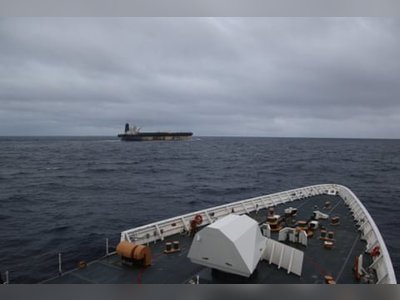
U.S. authorities are preparing potential enforcement action against an oil tanker previously linked to sanctioned Iranian and Venezuelan crude shipments as it sails toward northern European waters under a Russian flag. The vessel, now named Marinera, was earlier pursued by the U.S. Coast Guard in the Caribbean after it refused boarding and evaded a blockade imposed on sanctioned Venezuelan oil exports. Since then, it has been reflagged in Russia and is being tracked by a coalition of Western military aircraft, including U.S., British and Irish patrol planes, amid speculation that Washington may attempt to seize or board the ship if legal conditions permit.
The Marinera’s voyage northward has drawn scrutiny because of its association with a broader “shadow fleet” of vessels suspected of transporting oil in violation of U.S. sanctions. Although the tanker is empty of cargo, U.S. officials reportedly remain intent on enforcing blockade provisions and preventing the vessel from facilitating future sanction-busting activity. Military surveillance missions have included long-range U.S. surveillance aircraft operating from bases in Europe, and some reports indicate the deployment of special operations assets in allied territories to prepare for quickly executed boarding operations should U.S. leaders decide to act.
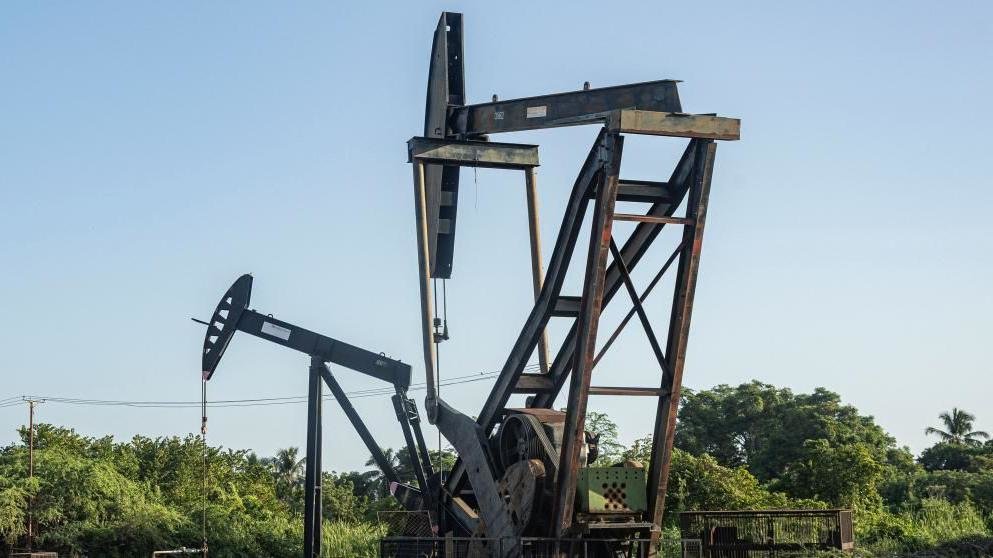
A previous U.S. blockade on sanctioned Venezuelan oil was established in mid-December, and the Trump administration’s seizure last month of a sanctioned oil tanker near Venezuela underscored its willingness to enforce sanctions directly on the high seas. That earlier seizure, authorised by the U.S. government, involved a vessel that U.S. officials had designated as part of an illicit oil network and was conducted with participation from multiple federal agencies. The Venezuelan government condemned the action as a violation of international law, reflecting heightened tensions between Caracas and Washington over maritime enforcement.
International maritime law typically requires that commercial tankers operate under a legitimate flag, but several vessels leaving Venezuelan waters recently have done so without transparent registration or safety documentation, complicating legal oversight. The Marinera’s reflagging to Russia and its avoidance of standard shipping lanes have raised questions about the enforceability of U.S. orders on the high seas. Allies have not publicly committed to interceding on the United States’ behalf, but surveillance cooperation underscores shared concern about sanction evasion and the implications for global trade norms.
Legal experts note that any forced seizure would require careful navigation of international law and sovereign rights, particularly because the tanker’s Russian registration could complicate assertions of jurisdiction. With the vessel now nearing European maritime zones, the United States continues to monitor its movements and assess options that balance enforcement of its sanctions policy with obligations under international maritime conventions.