UK Prepares Framework for Potential Ukraine Deployment as Part of Post-Ceasefire Security Force
London, Paris and Kyiv agree on plans for a multinational ‘reassurance’ mission to support Ukraine after a ceasefire, with troop numbers, roles and parliamentary approval still being defined
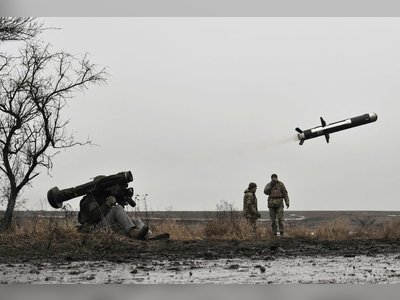
The United Kingdom is actively preparing for a possible deployment of British troops to Ukraine under a multinational framework that would come into play after a negotiated ceasefire in the four-year conflict with Russia.
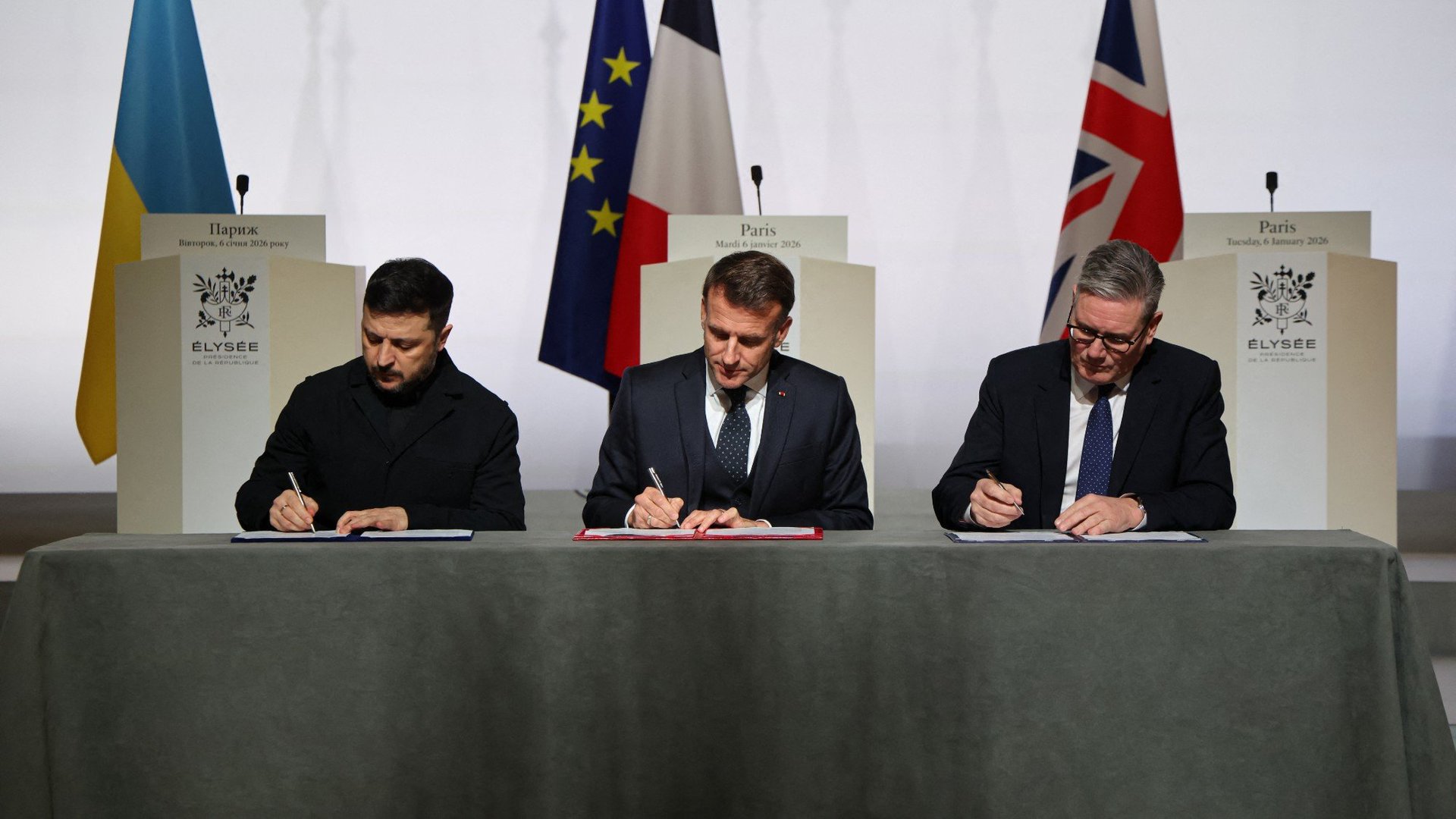
The government in London, alongside Paris and Kyiv, has signed a declaration of intent outlining the principle of such a mission, and defensive planning is underway within the British Ministry of Defence.
The deployment would form part of a wider “multinational force” aimed at providing security guarantees, bolstering Ukraine’s capacity to rebuild its armed forces and deterring renewed aggression.
— Under the current plan, deployment would only proceed once hostilities have paused and with the full consent of the Ukrainian government.
Earlier discussions envisaged the UK contributing several thousand service personnel, though final figures remain contingent on military planning and alliance commitments.
French forces are expected to operate alongside British units, with the combined contingent possibly totalling up to 15,000 troops under the broader international effort.
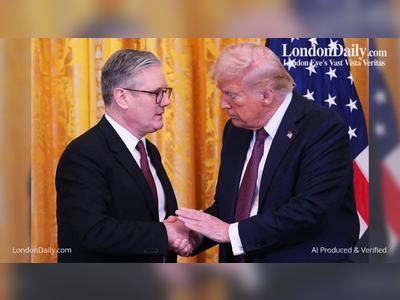
— Prime Minister Keir Starmer has emphasised that any actual deployment of UK forces would require a formal vote in the House of Commons.
He told lawmakers that Parliament would debate and approve any decision to send troops, reiterating that the UK would not act unilaterally without both legislative backing and coordination with key allies such as the United States.
— The envisaged role for UK personnel is deliberately defined as non-combat and focused on security, training and infrastructure support, rather than frontline fighting.
Defence planning envisages British units working in “military hubs” in western Ukraine, well behind current combat zones, where they could assist with training Ukrainian forces, oversee secure storage of equipment and support reconstruction of military capabilities.
— Operational planning has already advanced, with designated British military units identified for potential deployment and reconnaissance missions conducted to familiarise personnel with logistical conditions in Ukraine.
Defence officials have noted that the mission’s remit would be shaped to ensure stability, protect international investments in Ukraine’s security and help reconstitute the Ukrainian Armed Forces over time.
— While the United States has endorsed the broader multinational effort and committed to leading a ceasefire monitoring mission, Moscow has rejected foreign troop presence on Ukrainian soil.
NATO allies have offered varying degrees of support, with some opting to contribute equipment, training and air assets rather than ground troops.
The UK’s participation, subject to parliamentary approval, reflects a strategic pivot toward contributing directly to Ukraine’s long-term defence and security architecture rather than providing solely financial and materiel assistance.
The government in London, alongside Paris and Kyiv, has signed a declaration of intent outlining the principle of such a mission, and defensive planning is underway within the British Ministry of Defence.
The deployment would form part of a wider “multinational force” aimed at providing security guarantees, bolstering Ukraine’s capacity to rebuild its armed forces and deterring renewed aggression.
— Under the current plan, deployment would only proceed once hostilities have paused and with the full consent of the Ukrainian government.
Earlier discussions envisaged the UK contributing several thousand service personnel, though final figures remain contingent on military planning and alliance commitments.
French forces are expected to operate alongside British units, with the combined contingent possibly totalling up to 15,000 troops under the broader international effort.
— Prime Minister Keir Starmer has emphasised that any actual deployment of UK forces would require a formal vote in the House of Commons.
He told lawmakers that Parliament would debate and approve any decision to send troops, reiterating that the UK would not act unilaterally without both legislative backing and coordination with key allies such as the United States.
— The envisaged role for UK personnel is deliberately defined as non-combat and focused on security, training and infrastructure support, rather than frontline fighting.
Defence planning envisages British units working in “military hubs” in western Ukraine, well behind current combat zones, where they could assist with training Ukrainian forces, oversee secure storage of equipment and support reconstruction of military capabilities.
— Operational planning has already advanced, with designated British military units identified for potential deployment and reconnaissance missions conducted to familiarise personnel with logistical conditions in Ukraine.
Defence officials have noted that the mission’s remit would be shaped to ensure stability, protect international investments in Ukraine’s security and help reconstitute the Ukrainian Armed Forces over time.
— While the United States has endorsed the broader multinational effort and committed to leading a ceasefire monitoring mission, Moscow has rejected foreign troop presence on Ukrainian soil.
NATO allies have offered varying degrees of support, with some opting to contribute equipment, training and air assets rather than ground troops.
The UK’s participation, subject to parliamentary approval, reflects a strategic pivot toward contributing directly to Ukraine’s long-term defence and security architecture rather than providing solely financial and materiel assistance.