
United States Conducts Major Military Strike on Venezuela and Says It Has Captured President Nicolás Maduro
President Trump announces operation in which Venezuelan leader and his wife were taken into U.S. custody and removed from Venezuela following strikes in Caracas
President Donald Trump announced that the United States has conducted a large-scale military operation against Venezuela that resulted in the capture of Venezuelan President Nicolás Maduro and his wife.
The president said early Saturday that U.S. forces struck multiple targets in Venezuela, including in the capital, Caracas, and that Maduro and his wife were taken into custody and flown out of the country.
Trump described the operation as successful and indicated that further details would be provided in a subsequent briefing.
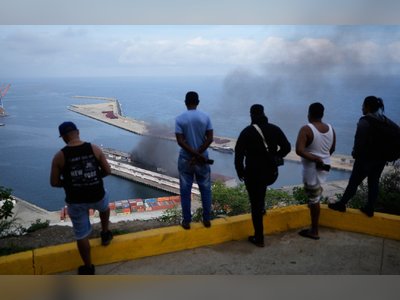
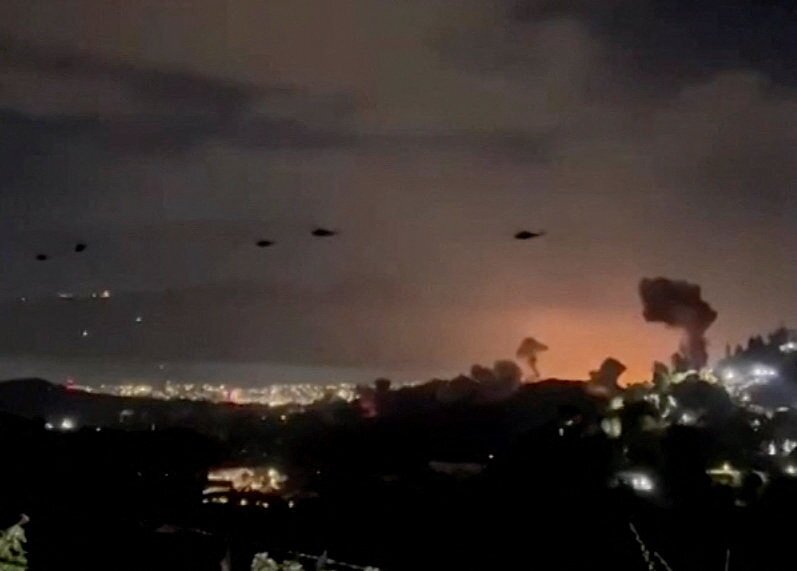
Explosions were reported in Caracas and other parts of Venezuela during the operation, with residents describing loud detonations, smoke over military infrastructure, and power outages in parts of the city.
In his announcement, Trump reiterated long-standing U.S. accusations against Maduro’s government, including alleged involvement in drug trafficking and electoral illegitimacy.
He framed the operation as part of sustained pressure to counter these threats.
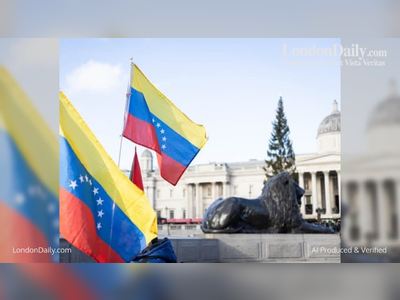
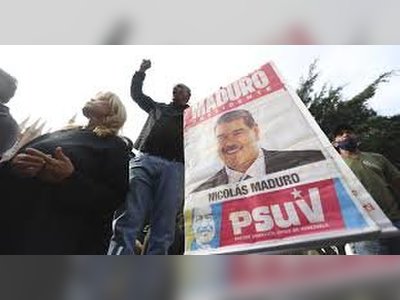
The Venezuelan government condemned the strikes as a violation of national sovereignty and called for citizens to mobilise in defence.
Officials, including Vice President Delcy Rodríguez and other senior ministers, have challenged the U.S. account and demanded proof of life for Maduro and his wife.
At the time of the announcement, Venezuelan authorities had not independently confirmed Maduro’s status or location.
International reactions have been mixed.
Some regional governments have expressed deep concern over the direct U.S. military action, while others have emphasised the need for de-escalation and adherence to international law.
The United States has not published detailed legal justification or disclosed the precise legal basis for the operation, and congressional leaders have raised questions about authorisation.
If verified in full, the strikes and capture would represent the most direct U.S. military intervention in Latin America since the Panama invasion in 1989 and mark a dramatic escalation in U.S.–Venezuela tensions as additional official statements are awaited.
The president said early Saturday that U.S. forces struck multiple targets in Venezuela, including in the capital, Caracas, and that Maduro and his wife were taken into custody and flown out of the country.
Trump described the operation as successful and indicated that further details would be provided in a subsequent briefing.
Explosions were reported in Caracas and other parts of Venezuela during the operation, with residents describing loud detonations, smoke over military infrastructure, and power outages in parts of the city.
In his announcement, Trump reiterated long-standing U.S. accusations against Maduro’s government, including alleged involvement in drug trafficking and electoral illegitimacy.
He framed the operation as part of sustained pressure to counter these threats.
The Venezuelan government condemned the strikes as a violation of national sovereignty and called for citizens to mobilise in defence.
Officials, including Vice President Delcy Rodríguez and other senior ministers, have challenged the U.S. account and demanded proof of life for Maduro and his wife.
At the time of the announcement, Venezuelan authorities had not independently confirmed Maduro’s status or location.
International reactions have been mixed.
Some regional governments have expressed deep concern over the direct U.S. military action, while others have emphasised the need for de-escalation and adherence to international law.
The United States has not published detailed legal justification or disclosed the precise legal basis for the operation, and congressional leaders have raised questions about authorisation.
If verified in full, the strikes and capture would represent the most direct U.S. military intervention in Latin America since the Panama invasion in 1989 and mark a dramatic escalation in U.S.–Venezuela tensions as additional official statements are awaited.