Trump Orders Ten Percent Tariff on Eight European Nations to Press Greenland Deal
U.S. President announces import duties from February first as leverage to pursue Greenland acquisition, straining transatlantic relations
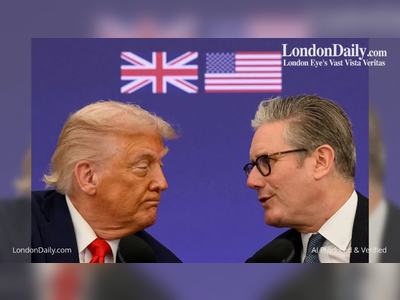
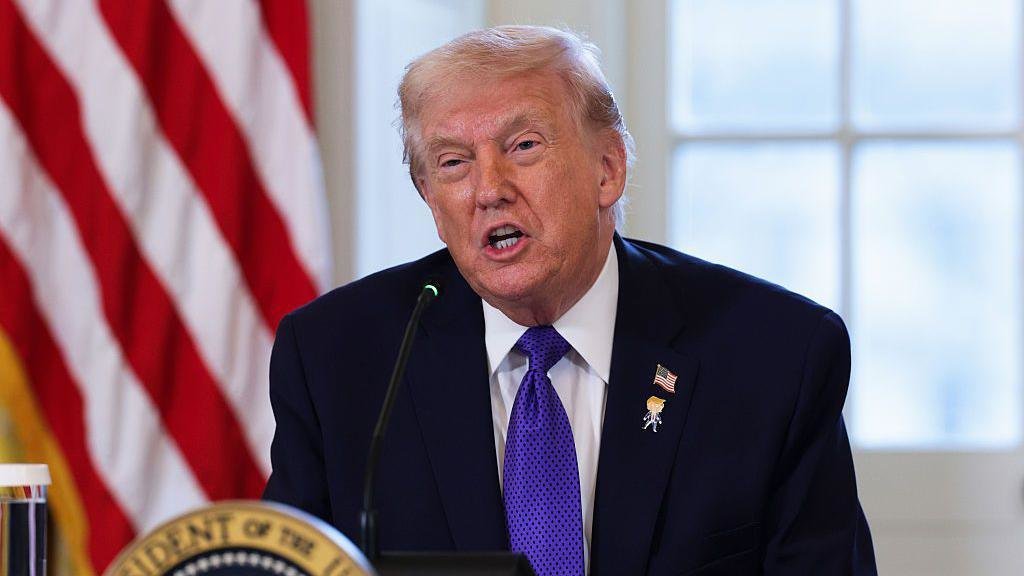
President Donald Trump announced that the United States will impose a ten percent tariff on imports from eight European countries beginning February first, in a bold effort to secure what he calls the “complete and total purchase” of Greenland.
Trump’s announcement targets Denmark, France, the United Kingdom, Germany, Norway, Sweden, the Netherlands and Finland, framing the duties as necessary leverage to advance U.S. national security interests in the Arctic and respond to European opposition to American control of the autonomous Danish territory.
The tariffs are slated to rise to twenty-five percent on June first if no agreement is reached.
Trump made the declaration on social media and in statements from his club in West Palm Beach, describing Greenland as crucial to United States defense and casting Europe’s troop deployments and engagements there as jeopardizing global security.
Trump asserted that without American governance, rival powers would gain influence over the island.
European leaders swiftly condemned the plan, emphasizing that Greenland’s status as part of the Kingdom of Denmark is settled and that its future belongs to the people of Greenland and the Danish government.
The United Kingdom’s prime minister stressed NATO’s collective Arctic security role and underscored that tariff threats are misguided, while the European Union reiterated solidarity with Denmark and warned that punitive trade measures could damage transatlantic cooperation.
Protests have erupted in Nuuk and Copenhagen against U.S. acquisition efforts, with demonstrators rejecting the notion of Greenland being sold.
Trump’s announcement represents a significant escalation in his long-standing interest in Greenland, which he has pursued as a strategic asset and national security priority.
Danish officials have consistently rebuffed overtures to sell the territory, and European diplomats have questioned the legality of unilateral U.S. tariffs on allied economies.
With tensions rising, the move is poised to test enduring partnerships and reshape discussions on Arctic security and trade relations.
Trump’s announcement targets Denmark, France, the United Kingdom, Germany, Norway, Sweden, the Netherlands and Finland, framing the duties as necessary leverage to advance U.S. national security interests in the Arctic and respond to European opposition to American control of the autonomous Danish territory.
The tariffs are slated to rise to twenty-five percent on June first if no agreement is reached.
Trump made the declaration on social media and in statements from his club in West Palm Beach, describing Greenland as crucial to United States defense and casting Europe’s troop deployments and engagements there as jeopardizing global security.
Trump asserted that without American governance, rival powers would gain influence over the island.
European leaders swiftly condemned the plan, emphasizing that Greenland’s status as part of the Kingdom of Denmark is settled and that its future belongs to the people of Greenland and the Danish government.
The United Kingdom’s prime minister stressed NATO’s collective Arctic security role and underscored that tariff threats are misguided, while the European Union reiterated solidarity with Denmark and warned that punitive trade measures could damage transatlantic cooperation.
Protests have erupted in Nuuk and Copenhagen against U.S. acquisition efforts, with demonstrators rejecting the notion of Greenland being sold.
Trump’s announcement represents a significant escalation in his long-standing interest in Greenland, which he has pursued as a strategic asset and national security priority.
Danish officials have consistently rebuffed overtures to sell the territory, and European diplomats have questioned the legality of unilateral U.S. tariffs on allied economies.
With tensions rising, the move is poised to test enduring partnerships and reshape discussions on Arctic security and trade relations.