London Daily

Focus on the big picture.
Wednesday, Jun 10, 2026

The most germ infested items in our homes revealed – are we cleaning enough?

The most germ infested items in our homes revealed – are we cleaning enough?

Find out why these are most likely to attract germs and how best to clean them

Despite cleaning our homes more than ever, studies suggesting some are spending an extra 63 minutes every week, it appears germs are still lurking in the most unexpected of places.

A swab test from Tap Warehouse has exposed which everyday household items are dirtiest. They swabbed 30 items from three demographic households*.

After five days of bacterial growth, they enlisted the expertise of Associate Professor in Microbiology at Northumbria University, Dr Amanda Jones to expose what were the worst germs hiding in homes, on these everyday items.

5 unexpected items for germs hiding in homes


Cleaning expert, Henry Paterson, from Housekeep explains how to thoroughly clean these problem areas.

1. Laptops & computers



With more people working from home, the average office worker is now spending six-and-half hours on their computer at home. With many of those forgetting to clean their computer.

Dr Amanda Jones reveals, ‘The germs most likely hiding on your laptop are “staphylococci, streptococci and some airborne bacteria such as micrococci” which can lead to skin infections and a sore throat.’ Yuk.

“Use alcohol wipes or a small quantity of rubbing alcohol applied to a microfibre cloth’ advises Henry Choose a product with 60-80 per cent concentration for optimum effect, as higher concentrations can evaporate before they’ve had sufficient contact time to sanitise.”

2. TV remote



The TV remote controller is touched daily and, sometimes, by several hands. What’s more, many people eat in front of the TV, making their hands potentially sticky with foods.

Dr Amanda Jones identified the TV remote to be the second dirtiest electronic item, and said it could be laden with “staphylococci and streptococci” similar to the laptop. The cleaning advice is therefore the same as with the laptop.

3. Bathroom taps



The damp and humid conditions of a bathroom make it a perfect breeding ground for bacteria. With the tap often being the first thing people touch after going to the toilet, it’s therefore the dirtiest.

With this in mind, it’s no surprise that the tap is the most germ infested item in the bathroom. ‘Our bathroom taps can contain ‘escherichia coli (e. coli) and other faecal types of bacteria’ Dr Amanda Jones explains.

For cleaning be sure to use a high concentrate of bacteria-killing cleaner, just be aware no to damage the taps with abrasive materials.

4. Kitchen taps
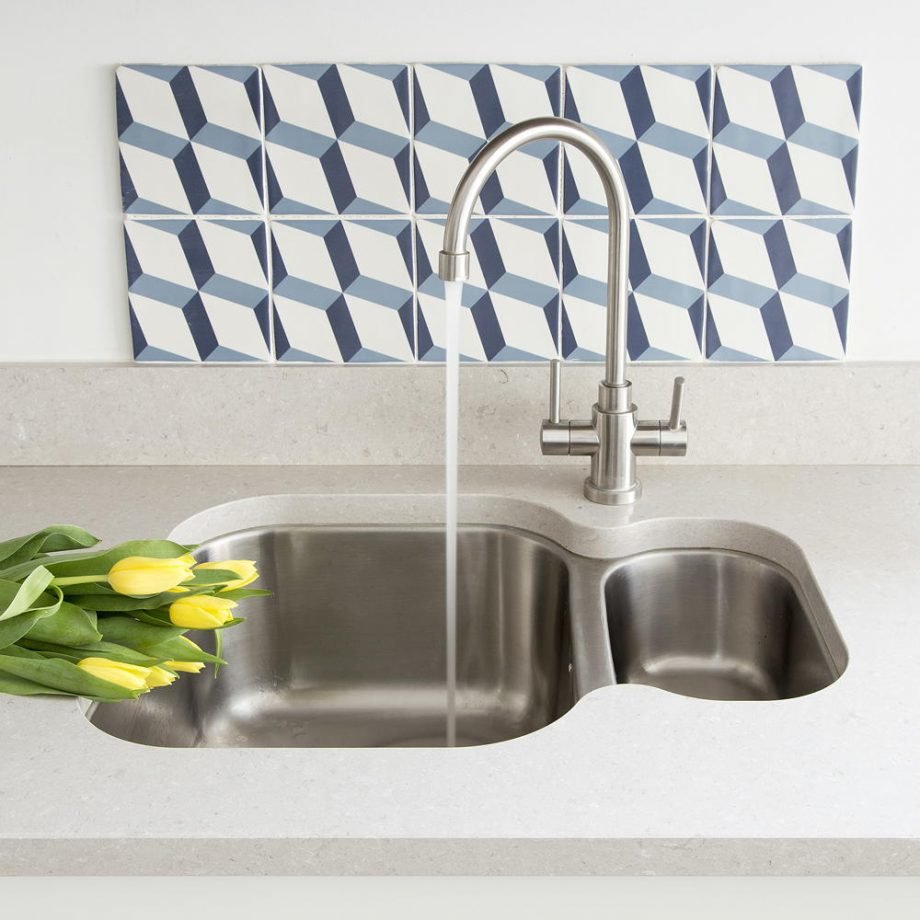


This item showed the most bacterial growth out of the kitchen items analysed. Similar to the bathroom tap, it’s used multiple times a day and is often touched by multiple people.

“The kitchen tap would have the same skin bacteria and also food contaminants from raw food such as bacillus species and Escherichia coli (e. coli)” – both of which cause food poisoning.

5. Kettle
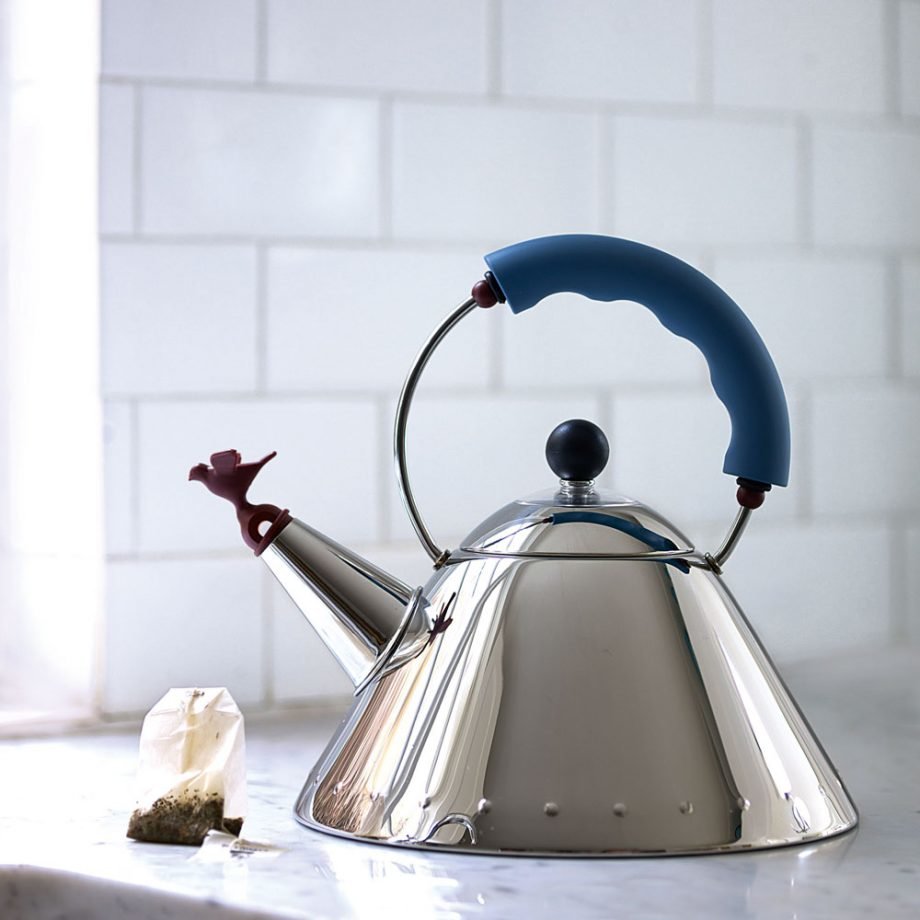


The average Brit drinks 876 cups of tea year – or a week if you’re anything like the team at Ideal Home. However, despite how much Brits love drinking tea, it seems we don’t share the same love for cleaning the kettle sadly.

‘The kettles across all three demographics showed huge bacteria growth,’ with Dr Amanda Jones stating ‘the kettle can harbour “staphylococci and streptococci” bacteria.’

‘Cleaning with soap and water is often enough to remove germs’ says Henry. ‘Just remember to do this every week and avoid getting water near the electrical parts.’

*To give a fair representation, each household tested was from a different demographic. Including a young couple working from home, a family home with a child and a retired couple with a dog.

Newsletter

Related Articles

0:00
0:00
Close
United Kingdom Sees Recovery in Horizon Europe Research Funding Share to 9.3 Percent
UK Inflation Holds at 2.8 Percent as Office for Budget Responsibility Flags Persistent Price Pressures
United Kingdom Launches National Anti-Fraud Framework to Combat Rising Pension Scam Losses
United Kingdom Expands Sanctions on Israeli Groups While Funding Palestinian Authority Salaries and Gaza Mine Clearance
United Kingdom Issues Three-Month Ultimatum to Major Technology Firms Over Child Online Safety Controls
United Kingdom Government Moves Toward Blanket Social Media Ban for Children Under Sixteen
Widespread Anti-Immigration Rioting Erupts Across Belfast After Knife Attack Linked to Asylum Seeker
Farmers Warn of Crop Losses Following Months of Unseasonal Rainfall
Civil Aviation Authority Launches Review of Regional Airport Operations
Met Office Issues Heat-Health Alert Across Parts of England
National Grid Introduces New Measures to Protect Winter Energy Supply
Northern England Rail Upgrades Receive Additional Government Funding
Wales Advances Green Hydrogen Strategy to Decarbonize Heavy Industry
UK Expands Recruitment Incentives to Address Shortage of STEM Teachers
High Court Opens Door to Climate Liability Claims Against Major Industrial Emitters
Police Service of Northern Ireland Investigates Major Personnel Data Breach
Defense Ministry Overhauls Procurement System to Accelerate AUKUS Submarine Program
Net Migration Remains Above Government Expectations, New Data Shows
UK and Scottish Governments Agree Framework for Expanded North Sea Wind Development
UK Treasury Launches New Tax Incentives to Boost AI and Semiconductor Investment
Bank of England Signals Continued Caution on Interest Rate Cuts
UK Unveils £10 Billion NHS Digital Modernization Plan Centered on AI Integration
Nebius Opens Major Robotics and Physical AI Laboratory in London
Bank of England Data Shows Strong Rise in New Mortgage Approvals
Network Rail Completes Landmark Upgrade of Severn Tunnel Rail Infrastructure
East West Rail Passenger Services Between Oxford and Milton Keynes Set for December Launch
GlaxoSmithKline Reportedly Pursues £7 Billion Acquisition of US Cancer Drug Developer Nuvalent
Bank of England Signals Interest Rates Likely to Remain Unchanged Despite Energy Market Risks
NHS Trusts Launch Job-Cutting Programmes as Financial Pressures Intensify Across England
More Than 130 Labour MPs Urge Ban on Trade With Israeli Settlements
Keir Starmer Orders Technology Firms to Introduce Smartphone Nudity Controls for Under-18s
UK Unveils £400 Million National AI Supercomputer Fund and New Economics Institute
Japanese Technology Firm Fujitsu Launches Advanced Artificial Intelligence Tool for Corporate Disclosures
South Africa Officially Launches Nationwide Campaign for Highly Contested Local Government Elections
United Kingdom Commits Additional Funding for Unexploded Ordnance Clearance in Laos
Singapore Announces Stringent New Greenhouse Gas Regulations for Commercial Cooling Systems
Cambodia and Thailand Hold High-Level Border Security Talks at United Nations Headquarters
Myanmar Military Government and China Sign Major Agreement to Upgrade Media and Cultural Cooperation
Knife Attack at Swiss Train Station Leaves Three Injured in Suspected Act of Domestic Terrorism
Transnational Extortion Gang Threatens Canadian Police With Army of One Thousand Armed Operatives
Australia Imposes Forty-Two-Day Quarantine on Cruise Ship Passengers Following Deadly Hantavirus Outbreak
International Monetary Fund Unlocks Seven Hundred Million United States Dollars for Sri Lanka Following Economic Reforms
Australia Launches Record One Point Four Billion Dollar Lawsuit Against Chemical Giant 3M Over Contamination
China and Canada Foreign Ministers Meet in Ottawa in Effort to Stabilize Strained Diplomatic Ties
Indonesia Demands Urgent United Nations Security Council Reform Amid Escalating Global Conflicts
Extreme Weather Patterns Trigger Severe Drought in Madagascar and Destructive Flooding in East Africa
Indian State of Karnataka Faces Political Upheaval as Chief Minister Siddaramaiah Abruptly Resigns
Philippines and Japan Reaffirm Defense Ties as Crucial for Indo-Pacific Regional Stability
Norway Joins French Nuclear Deterrence Initiative in Major Shift for European Security Architecture
Global Critical Mineral Alliances Expand as Western Nations Move to Counter Chinese Supply Dominance
×