

The best cheap iPhone — is it iPhone SE or iPhone XR?
For me, every "upgrade or no" decision involving smartphones launches a battle in my head. On one side is the small-handed me, the fellow who's gritted his teeth as devices have gotten bigger and bigger when all he wants is just a phone he can use with one hand. And on the other side is the cheapskate me, the guy who acts like his bank account is even smaller than his hands and doesn't want to pay anymore than he absolutely has to for his next smartphone.
Sometimes, these desires are in conflict. Occasionally, though, they're in perfect accord, which is seemingly what happened when Apple released a new version of the iPhone SE earlier this year. You want a compact phone? The iPhone SE delivers a 4.7-inch display in a phone that's no bigger than the iPhone 8. Hate paying too much for a phone? Apple will sell you the iPhone SE for less than $400. What's not to like?
The gnawing suspicion that somewhere there's a better deal to be had — that's what's not to like. And ever since Apple cut prices on its existing phones to make way for the new iPhone 12 lineup, I can't shake the feeling the iPhone SE may be Apple's cheapest iPhone, but it's possibly not Apple's best value.
That honor goes to the iPhone XR, still a part of the iPhone lineup two years after its initial release. Apple has cut the price of the iPhone XR to $499 — just $100 more than the iPhone SE. That makes it an intriguing alternative to people who balk at paying big bucks for a phone.
I imagine I'm not the only person giving the iPhone XR a second look after Apple's price cut. But can it really compete with the less expensive and well regarded iPhone SE? Here's the arguments for and against both phones as the better iPhone value.
The case for the iPhone XR
There are four clear reasons why you'd want to get the iPhone XR over the iPhone SE, even if the latter phone costs $100 less.
A bigger screen: I may not be a fan of bigger phones, but I'm clearly in the minority. These days, phones ship with displays that are 6 inches or larger with increasing regularity, and the iPhone XR's 6.1-inch LCD panel is big enough to enjoy games and videos without veering into the "comically oversized" category of most phablets. As much as I may appreciate the iPhone SE's 4.7-inch display, there's something to be said for a bigger screen — particularly as my middle-aged eyes are finding smaller fonts harder to decipher.
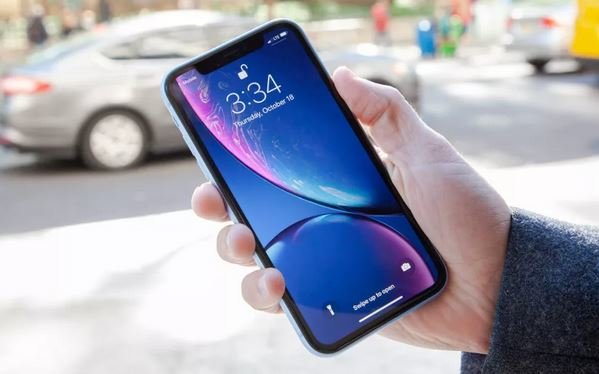
It's not just size that matters. The iPhone XR's display holds its own against the iPhone SE, even though that phone came out a year-and-a-half later. The SE's display is brighter, but not by much (625 nits versus 589 nits for the XR), and while its Delta-E rating of 0.2 beats the iPhone XR and its 0.28 rating for color accuracy, that score is close enough for government work.
Goodbye, bezels: For a phone that came out this past spring, the iPhone SE looks like it emerged from a time capsule when it comes to design. Maybe we didn't mind chunky bezels on the top and bottom of our phone screens four years ago, but the iPhone SE's iPhone 8-inspired look seems positively dated now — especially when you stack it up against the iPhone XR.
Yes, the iPhone XR has a notch to house its front camera as well as the sensors that power the Face ID unlocking feature. But the bezels around the sides and bottom of the phone are thin, giving you much more screen to enjoy.
More colorful options: The iPhone SE is decidedly monochrome, with black and white making up two thirds of your color choices. (You can also opt for a Product Red edition, though that color on a phone has always evoked "Moscow's on the line about the missile launch" feelings in me.)
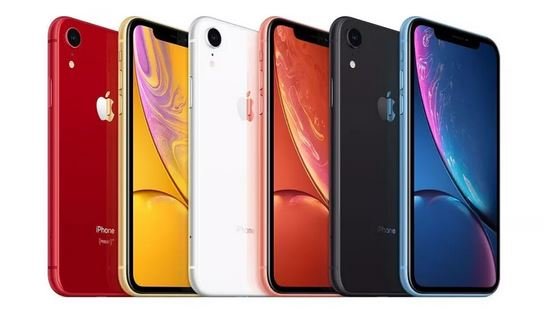
The iPhone XR marked the start of Apple's recent move to more daring colors on some of its phones. You've got your black, white and red versions, but you can also go for yellow, blue, and a pink-ish coral. If you're eyeing the iPhone 12's rainbow of color options with envy, the iPhone XR offers the next best thing in a less expensive package.
Better battery life: There's an advantage to having a large phone. You can also squeeze in a bigger battery, and while Apple doesn't publicize battery sizes for its phone, the results in our battery testing speak for themselves.
The iPhone XR lasted 11 hours and 26 minutes on our battery test, in which we have phones continuously surf the web over a cellular connection until they run out of power. That time would still be good enough to place the iPhone XR on our best phone battery life list, only we ease phones off the Top 15 after they've been out for more than 18 months.
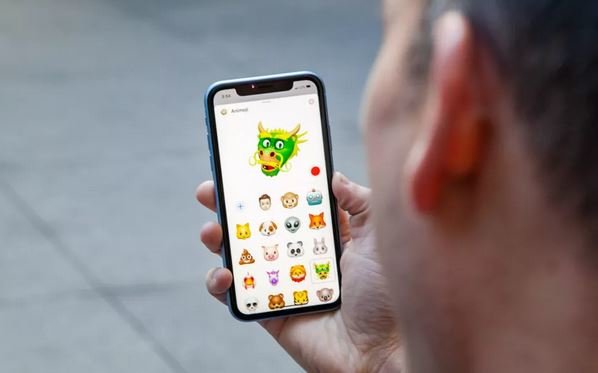
The iPhone SE isn't landing on any list for best phone battery life. It averaged 9 hours and 18 minutes on our test, which is below average for a smartphone. Anecdotally, we've found the iPhone SE will likely get you through a day of typical phone use, but it doesn't have the staying power of Apple's other phones — the XR included.
The case for the iPhone SE
While that's a pretty compelling case for the iPhone XR, you can make just as strong an argument that the iPhone SE is the better value, starting with what's staring you right in the face.
The iPhone SE is more compact: Admittedly, this point is a non-starter for big phone fans, but the advantage of the iPhone SE's smaller screen is that it allows the phone to slip more easily into a pocket or more comfortably in a hand. At 5.45 x 2.65 x 0.29 inches, the iPhone SE is shorter and not as wide as the iPhone XR. It weighs more than an ounce less, too — 5.22 ounces versus 6.8 ounces for the iPhone XR.
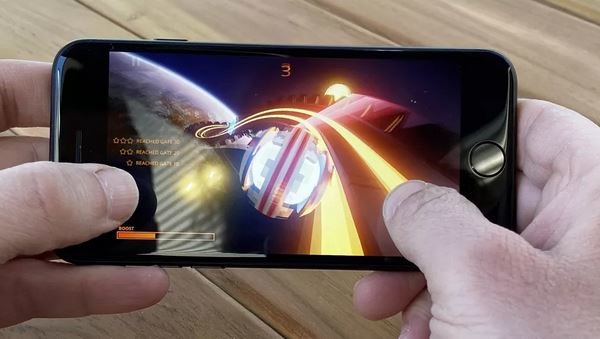
Size is a matter of preference, of course. But even if you prefer bigger phones, you'd have to concede that the iPhone SE is easier to handle.
A newer processor: There's nothing wrong with the A12 Bionic chipset powering the iPhone XR. It was the fastest processor in its day, and it still holds its own against rival phones. For the activities most of us perform on our smartphones, the A12 Bionic is up to the task.
But the A13 Bionic is even more powerful. And that's the chip Apple uses in the iPhone SE, as well as the entire iPhone 11 range.
That has repercussions down the road, as apps become more demanding and software evolves. Apple is pretty good about maintaining support for its phones for much longer than Android devices, but eventually every phone reaches the end of the road. The iPhone SE's newer processor means it's likely to squeeze in an extra year of support for future iOS updates. And with more of us holding onto our phones for longer periods of time, that added shelf life could be quite valuable.
The camera is the same: When Apple added the iPhone SE to its lineup, it revealed something crucial about that lone 12MP main camera on the new phone's back. It's essentially the same sensor you'll find on the iPhone XR, right down to the f/1.8 aperture on the lens.
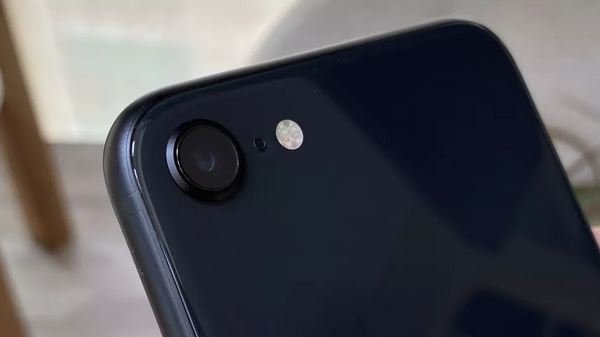
But there's more to smartphone cameras than just the camera hardware. That A13 Bionic processor included with the iPhone SE has a digital signal processor that supports features like Smart HDR, which improves highlights around the faces of the people you photograph. Similarly, when shooting video, the iPhone SE has extended dynamic range compared to the iPhone XR, for better highlights and shadow details. When it comes to Portrait Lighting effects, the iPhone SE supports six, compared to the three available to iPhone XR users.
For the most part, the cameras featured on the two phones are evenly matched. But Apple's improved neural processing gives the iPhone SE a noticeable edge.
The iPhone SE is cheaper: Just as fans of compact phones will find it hard to overlook the iPhone SE's size advantage, bargain hunters are going to fixate on the iPhone SE's $399 price. A $100 savings over the iPhone XR is hard to hand-wave away, no matter how many nice features that older phone offers.
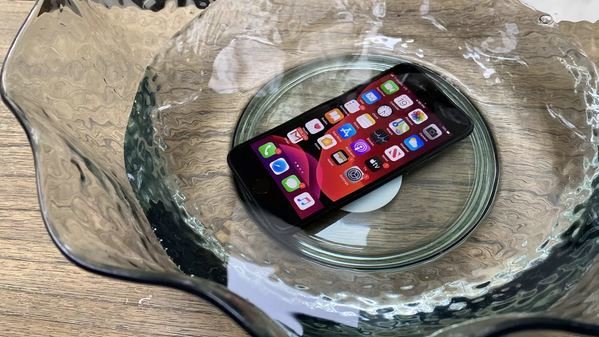
Even if you find the 64GB of storage on the iPhone SE's base model too limiting, jumping up to 128GB only adds $50 to the cost of the phone. That's still less than the base model of the iPhone XR, which also starts with 64GB of storage. You can save more in trade-in values when you buy an iPhone XR from Apple — $210 versus $140 off with the iPhone SE — but you'd need an iPhone 8 Plus or later to claim the maximum return.
iPhone SE vs. iPhone XR: Which is the better value?
Your preference for the iPhone SE or the iPhone XR will largely come down to two things — what size you like your phones and how much you're willing to pay. Fans of larger screens won't find the $100 jump in price for the iPhone XR too onerous, while anyone who prefers a compact phone will find plenty to like about the iPhone SE and its lower price.
The arrival of the iPhone 12 mini in November complicates matters a little bit. It can tempt compact phone fans with a smallish screen — 5.4 inches and an OLED panel to boot — without the bezels that mar the iPhone SE's appearance. But it also has a $699 starting price (or $729 if you go the unlocked route), which is a big leap over the low costs that make the iPhone SE and iPhone XR attractive.