Starmer’s Beijing Reset Delivers Diplomatic Openings and Practical Gains for Both Britain and China
The UK prime minister’s visit yields eased political tensions, restored parliamentary access and new economic pathways as London and Beijing recalibrate relations
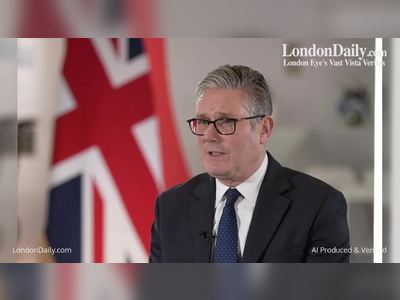
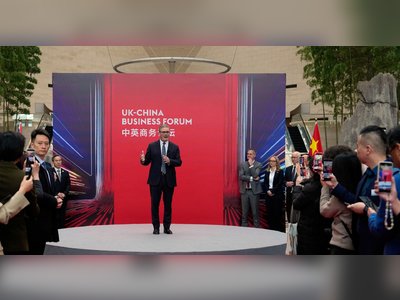
Prime Minister Keir Starmer’s visit to Beijing has produced tangible outcomes for both the United Kingdom and China, marking a deliberate reset after years of strained relations and limited engagement.
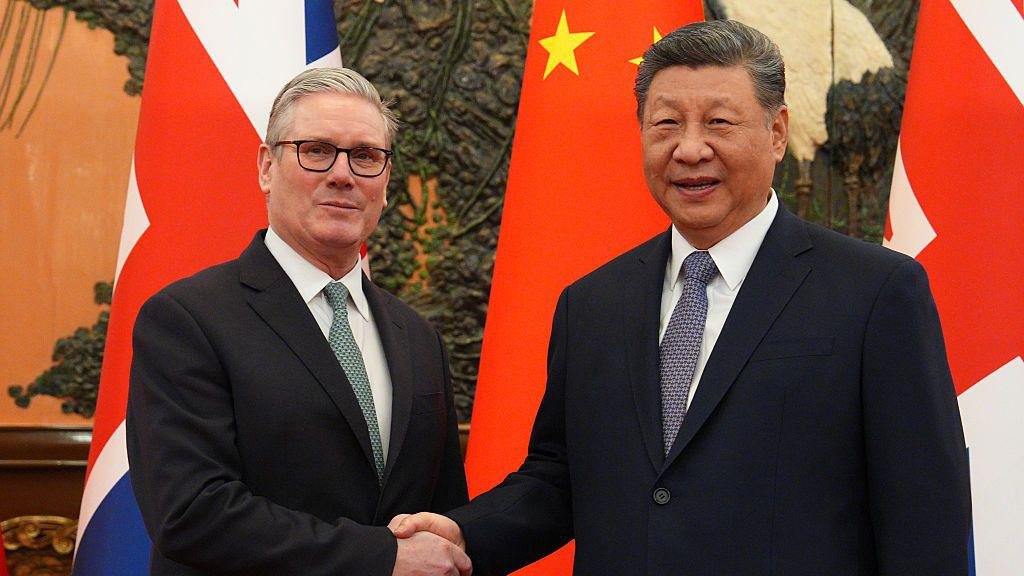
The talks, which included a direct meeting with President Xi Jinping, signalled a mutual decision to stabilise ties, reopen dialogue at the highest level and pursue pragmatic cooperation amid a shifting global landscape.
For the United Kingdom, the visit delivered a significant diplomatic breakthrough with China’s decision to lift sanctions on British Members of Parliament and peers, removing a long-standing obstacle to parliamentary engagement.
Starmer framed the move as an essential step toward restoring normal diplomatic interaction, while maintaining that the UK would continue to raise areas of disagreement through direct dialogue rather than isolation.
The trip also reopened channels for regular ministerial and official-level contact that had largely stalled in recent years.
Economically, the UK secured commitments aimed at improving access for British businesses, including progress on easing barriers for key exports and expanding opportunities in services, finance and green technology.
The visit reinforced the government’s position that engagement with China can support growth and jobs at home when managed with clear safeguards around national security and resilience.
Starmer emphasised a “sophisticated relationship” that balances opportunity with caution.
China, for its part, gained international validation of its preference for engagement over confrontation, particularly with a major European economy.
Hosting the first UK prime ministerial visit in eight years allowed Beijing to project stability and openness at a time of global uncertainty.
The lifting of sanctions and the positive tone of the talks supported China’s broader aim of strengthening ties with Western partners and countering narratives of diplomatic isolation.
President Xi used the meeting to underline China’s interest in deeper cooperation on trade, climate change and global stability, presenting the relationship as one based on mutual benefit and respect.
Beijing also welcomed the UK’s willingness to pursue dialogue despite differences, viewing this as a signal that pragmatic engagement remains possible with advanced economies.
While the visit did not resolve all areas of tension, both sides emerged with clear gains: Britain restored diplomatic access and economic momentum, while China achieved renewed engagement and improved optics on the international stage.
The outcome reflects a shared calculation that managed cooperation, rather than prolonged distance, better serves national interests in an increasingly complex global environment.
The talks, which included a direct meeting with President Xi Jinping, signalled a mutual decision to stabilise ties, reopen dialogue at the highest level and pursue pragmatic cooperation amid a shifting global landscape.
For the United Kingdom, the visit delivered a significant diplomatic breakthrough with China’s decision to lift sanctions on British Members of Parliament and peers, removing a long-standing obstacle to parliamentary engagement.
Starmer framed the move as an essential step toward restoring normal diplomatic interaction, while maintaining that the UK would continue to raise areas of disagreement through direct dialogue rather than isolation.
The trip also reopened channels for regular ministerial and official-level contact that had largely stalled in recent years.
Economically, the UK secured commitments aimed at improving access for British businesses, including progress on easing barriers for key exports and expanding opportunities in services, finance and green technology.
The visit reinforced the government’s position that engagement with China can support growth and jobs at home when managed with clear safeguards around national security and resilience.
Starmer emphasised a “sophisticated relationship” that balances opportunity with caution.
China, for its part, gained international validation of its preference for engagement over confrontation, particularly with a major European economy.
Hosting the first UK prime ministerial visit in eight years allowed Beijing to project stability and openness at a time of global uncertainty.
The lifting of sanctions and the positive tone of the talks supported China’s broader aim of strengthening ties with Western partners and countering narratives of diplomatic isolation.
President Xi used the meeting to underline China’s interest in deeper cooperation on trade, climate change and global stability, presenting the relationship as one based on mutual benefit and respect.
Beijing also welcomed the UK’s willingness to pursue dialogue despite differences, viewing this as a signal that pragmatic engagement remains possible with advanced economies.
While the visit did not resolve all areas of tension, both sides emerged with clear gains: Britain restored diplomatic access and economic momentum, while China achieved renewed engagement and improved optics on the international stage.
The outcome reflects a shared calculation that managed cooperation, rather than prolonged distance, better serves national interests in an increasingly complex global environment.