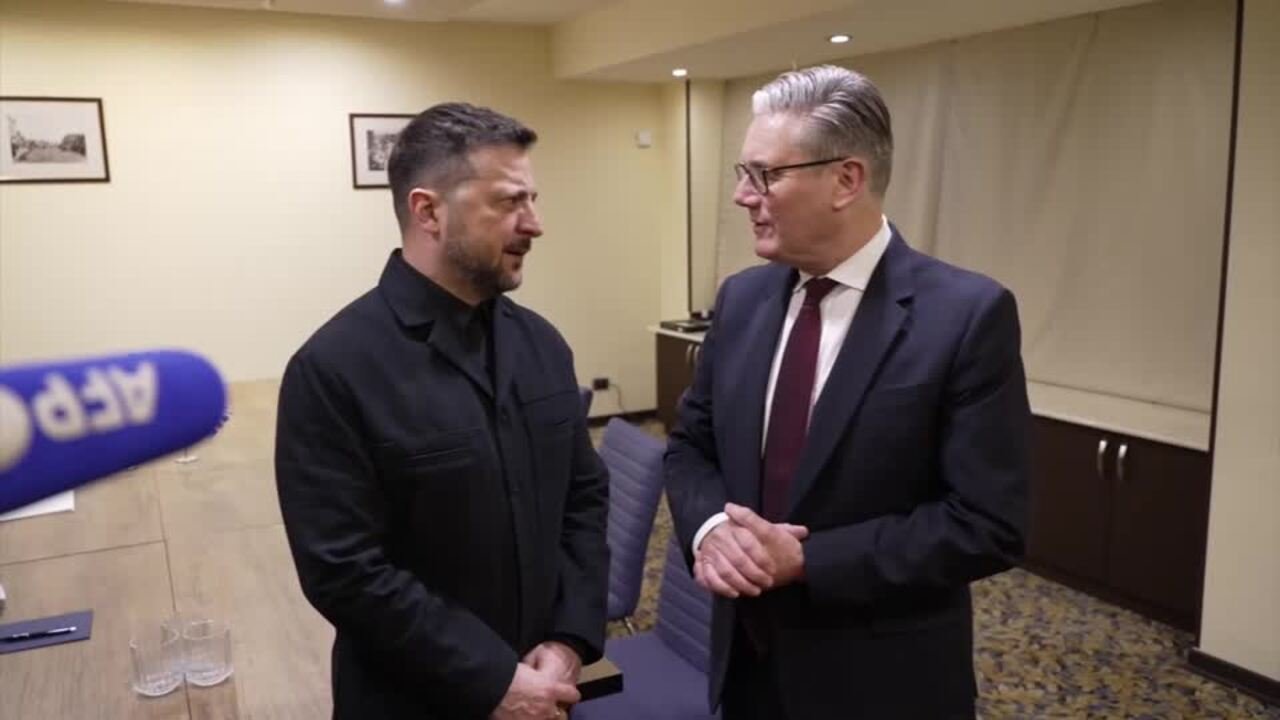
Starmer and Zelensky Meet Ahead of European Political Community Summit as Ukraine War Support Strategy Hardens
London talks focus on long-term military aid, European coordination, and pressure on Russia ahead of a broader EPC gathering of European leaders
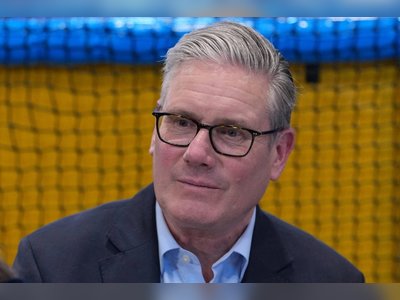
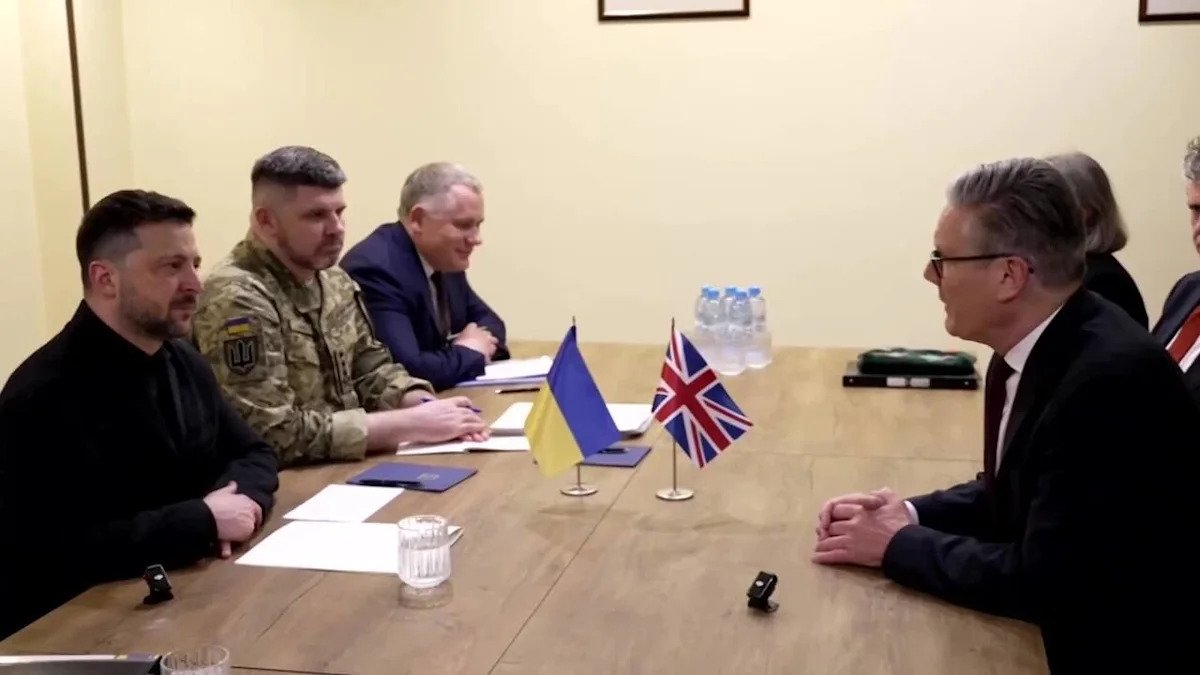
ACTOR-DRIVEN dynamics define the latest round of high-level diplomacy between the United Kingdom and Ukraine, as Prime Minister Keir Starmer met Ukrainian President Volodymyr Zelensky in advance of the European Political Community summit, where the war in Ukraine and Europe’s long-term security architecture are central agenda items.
What is confirmed is that the meeting took place as part of intensified coordination between Kyiv and key European allies, with the UK positioning itself as one of Ukraine’s principal military and diplomatic supporters since Russia’s full-scale invasion began in 2022. The talks were framed around sustaining military assistance, ensuring predictable long-term funding, and aligning European positions on continued pressure against Russia.
The European Political Community (EPC), established as a broader political forum for European states inside and outside the European Union, has increasingly become a venue for strategic alignment on security issues, particularly the war in Ukraine.
The summit brings together EU member states, UK officials, and other regional partners in an effort to coordinate responses that go beyond formal EU structures.
At the centre of the UK–Ukraine discussions is the challenge of sustaining military and financial assistance over an extended conflict timeline.
Ukraine continues to depend on external support for artillery ammunition, air defence systems, intelligence sharing, and training programmes, while European governments face domestic budgetary constraints and political pressure over long-term aid commitments.
The UK government has consistently positioned itself as a leading military backer of Ukraine in Europe, providing training for Ukrainian troops, supplying advanced weapons systems, and supporting sanctions against Russia.
The meeting reinforces continuity in that policy under the current administration, with an emphasis on long-term strategic partnership rather than short-term emergency assistance.
For Ukraine, the diplomatic objective is twofold: securing predictable aid flows and preventing fragmentation in European political support.
As the war enters a prolonged phase of attrition, Ukrainian leadership has pushed for more stable multi-year commitments rather than periodic funding approvals that create uncertainty in military planning.
The broader geopolitical context is a gradual shift in European security thinking.
Governments are increasingly treating the war not as a temporary crisis but as a structural change in continental security, requiring sustained defence production, expanded ammunition supply chains, and deeper coordination between European militaries.
The EPC summit itself serves as a parallel diplomatic structure to traditional EU summits, allowing wider participation from countries that are not EU members but are strategically tied to European security outcomes.
This includes the UK, Ukraine, and other regional partners, reflecting a more flexible architecture for crisis coordination.
The immediate consequence of the Starmer–Zelensky meeting is reinforcement of political alignment ahead of multilateral discussions.
The longer-term implication is continued institutionalisation of Ukraine’s support within European security planning, with aid commitments increasingly embedded in structured, multi-year frameworks rather than ad hoc crisis responses.
What is confirmed is that the meeting took place as part of intensified coordination between Kyiv and key European allies, with the UK positioning itself as one of Ukraine’s principal military and diplomatic supporters since Russia’s full-scale invasion began in 2022. The talks were framed around sustaining military assistance, ensuring predictable long-term funding, and aligning European positions on continued pressure against Russia.
The European Political Community (EPC), established as a broader political forum for European states inside and outside the European Union, has increasingly become a venue for strategic alignment on security issues, particularly the war in Ukraine.
The summit brings together EU member states, UK officials, and other regional partners in an effort to coordinate responses that go beyond formal EU structures.
At the centre of the UK–Ukraine discussions is the challenge of sustaining military and financial assistance over an extended conflict timeline.
Ukraine continues to depend on external support for artillery ammunition, air defence systems, intelligence sharing, and training programmes, while European governments face domestic budgetary constraints and political pressure over long-term aid commitments.
The UK government has consistently positioned itself as a leading military backer of Ukraine in Europe, providing training for Ukrainian troops, supplying advanced weapons systems, and supporting sanctions against Russia.
The meeting reinforces continuity in that policy under the current administration, with an emphasis on long-term strategic partnership rather than short-term emergency assistance.
For Ukraine, the diplomatic objective is twofold: securing predictable aid flows and preventing fragmentation in European political support.
As the war enters a prolonged phase of attrition, Ukrainian leadership has pushed for more stable multi-year commitments rather than periodic funding approvals that create uncertainty in military planning.
The broader geopolitical context is a gradual shift in European security thinking.
Governments are increasingly treating the war not as a temporary crisis but as a structural change in continental security, requiring sustained defence production, expanded ammunition supply chains, and deeper coordination between European militaries.
The EPC summit itself serves as a parallel diplomatic structure to traditional EU summits, allowing wider participation from countries that are not EU members but are strategically tied to European security outcomes.
This includes the UK, Ukraine, and other regional partners, reflecting a more flexible architecture for crisis coordination.
The immediate consequence of the Starmer–Zelensky meeting is reinforcement of political alignment ahead of multilateral discussions.
The longer-term implication is continued institutionalisation of Ukraine’s support within European security planning, with aid commitments increasingly embedded in structured, multi-year frameworks rather than ad hoc crisis responses.