

Stamp duty: What is it and how much do I pay?
Stamp duty is a tax paid when you buy a property.
What are the new stamp duty rates?
The amount of stamp duty you pay depends on the cost of the property.
Chancellor Kwasi Kwarteng announced the permanent changes as part of the government's mini-budget. They come into effect straight away.
The price at which stamp duty is paid was doubled from £125,000 to £250,000.
The rates are now:
* 0%: £0 - £250,000 (£425,000 for first time buyers)
* 5%: £250,000 - £925,000
* 10%: £925,000 - £1,500,000
* 12%: £1,500,000+
The chancellor added that discounted stamp duty for first-time buyers will now apply to properties costing up to £625,000 - up from £500,000.
How much stamp duty will I pay?
Buyers of homes that cost less than £250,000 don't pay stamp duty. That will comfortably buy you an average terraced home in most places outside of the South East of England.
First time buyers can spend £425,000 - roughly an average flat in London - before paying stamp duty.
Spend £625,000 - perhaps a detached home somewhere like Colingham in Leeds - and you'll pay nearly £19,000.
At £1m - which could be a detached home in Shenfield at the Essex end of the Elizabeth Line - stamp duty will cost just over £41,000.
You can also use the government's Stamp Duty Land Tax (SDLT) calculator to find out how much you have to pay.
What are rates in Scotland and Wales?
In Scotland, the current rates for the Land and Buildings Transaction Tax are:
* £0-£145,000 (£175,000 for first-time buyers) = 0%
* £145,001-£250,000 = 2%
* £250,001-£325,000 = 5%
* £325,001-£750,000 = 10%
* £750,001+ = 12%
Scottish landlords pay an extra 4% Land and Buildings Transaction Tax on top of standard rates.
For example, a second-time buyer purchasing a home worth £425,000 in Scotland would pay £15,850.
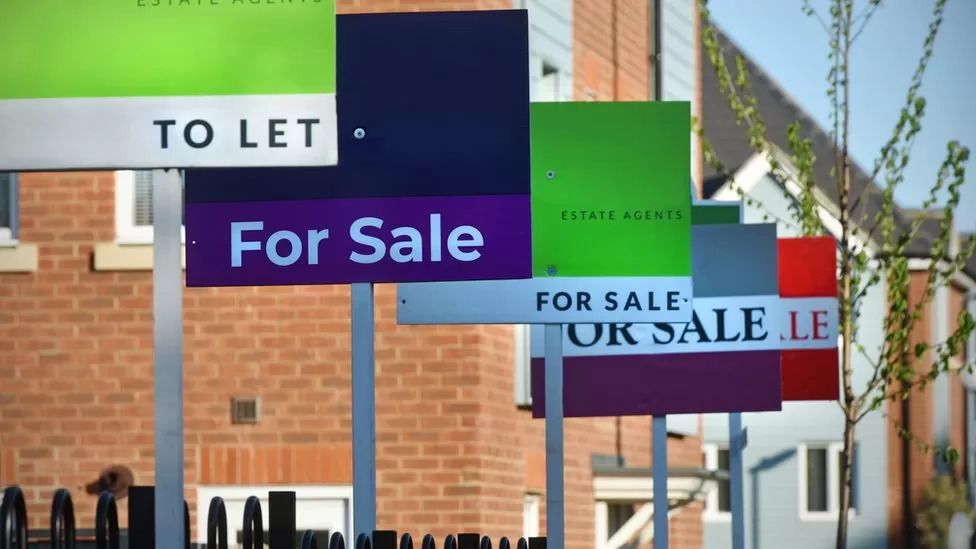 Estate agents say there are not enough properties coming on to the market at the moment
The current rates for Wales' Land Transaction Tax are:
* £0-£180,000 = 0%
* £180,001-£250,000 = 3.5%
* £250,001-£400,000 = 5%
* £400,001-£750,000 = 7.5%
* £750,001-£1.5m = 10%
* £1.5m + = 12%
Welsh landlords pay an extra 4% Land Transaction Tax on top of standard rates.
When do you have to pay it?
You have 14 days to pay stamp duty from the date of completion in England and Northern Ireland.
In Scotland and Wales you have 30 days from the point of purchase.
If it takes longer, you could face a fine, or be charged interest on the duty you owe.
How do you pay it?
House buyers often pay via their solicitors, but you can also pay directly online, or by cheque or cash in many banks.
It is also possible to add stamp duty to mortgage loans and increase your debt to cover the cost of the tax but you could end up paying significantly more in interest payments.
What effect does changing stamp duty have on the housing market?
During the pandemic, the government announced a stamp duty holiday to help home buyers whose finances were affected by Covid. It meant no stamp duty was payable on the first £250,000 of a property.
It was widely thought to have stimulated the housing market and estate agents reported a surge of interest.
According to the Office for National Statistics (ONS), UK average house prices increased by 15.5% over the year to July 2022, up from 7.8% in June 2022.
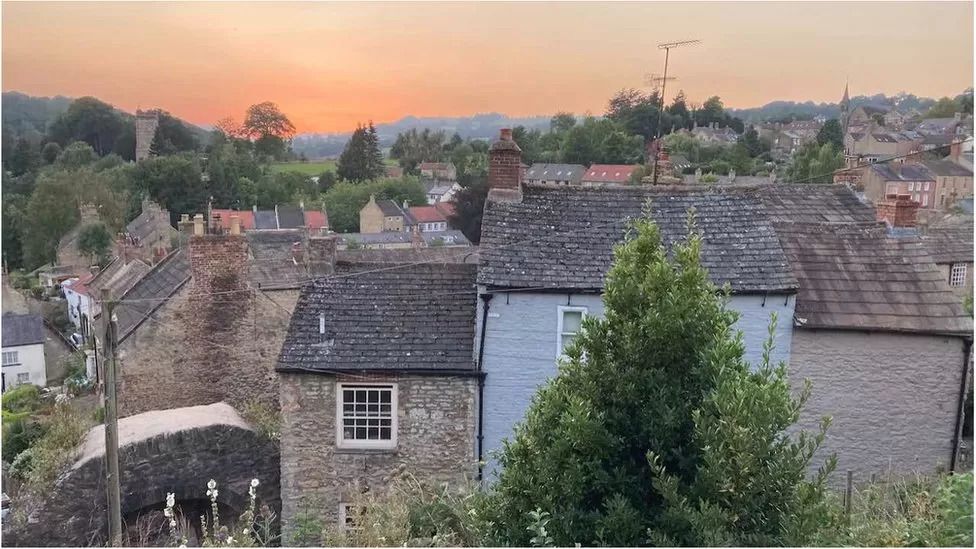 The property market in Richmond, North Yorkshire boomed during the Covid stamp duty holiday period
However, many things may have contributed to rising house prices.
"The final closure of the stamp duty scheme at the end of September 2021 may have had no impact at all," says Nicky Stevenson, managing director at estate agents Fine and Country.
"Other factors are so much more important, namely the race for space, low supply, accidental savings [from the pandemic] and low interest rates."
How much money does stamp duty raise?
The government's annual take from stamp duty is about £14bn, according to latest HM Revenue and Customs figures.
That's roughly equivalent to 2% of the tax the Treasury collects.
What other help is there for first-time buyers?
High Street lenders are also offering mortgages to borrowers with a deposit of just 5%, under a government guarantee scheme which launched in April 2021.
The policy is designed to help more first-time buyers secure a home.
The scheme is available to anyone buying a home costing up to £600,000, unless it is a buy-to-let property, a second home or, in some cases, a new-build.
The Low-cost Initiative for First Time Buyers (LIFT) helps people in Scotland buy their first property either on the open market, or from a council or housing association. What is stamp duty and how much do I pay?
The Welsh government also runs various schemes to help people to buy a home.