

Should travel be reserved for the rich? These countries think so
Last week, New Zealand’s tourism minister reiterated his desire to attract “high quality tourists” rather than those who campervan around the country “on $10 [€7] a day by eating dried noodles.”
Throughout the COVID-19 pandemic, tourism boards around the world have been experimenting with selective entry policies. Now, they’re implementing recovery plans - many of which echo this ‘quality over quantity’ mentality.
Reducing overtourism could have a positive impact on the environment and local communities in popular destinations. But does this mean travel will become reserved for the super rich?
With rising fuel costs signalling the end of the €10 flight era, according to a recent BBC Radio 4 interview with Ryanair chief exec Michael O’Leary, the days of budget travel could be behind us.
So here are the countries targeting wealthy visitors as tourism bounces back.
The Cayman Islands welcomes high net worth remote workers
Long a haven for luxury travellers, the Caribbean Cayman Islands sought to secure their high-end image - even during the pandemic.
Launched in 2020, the Global Citizen Concierge Program (GCCP) gives remote workers the chance to make this British Overseas Territory their home. Those earning upwards of $100,000 (€98,666) per year can apply for a two-year visa for an annual fee of $1,469 (€1,449).
Under the scheme, the country’s official tourism website invites “professionals and digital nomads alike [to] embrace a remote lifestyle and immerse themselves fully in the bespoke luxury, adventure, culture and beauty of the Cayman Islands.”
Fiji targets a growth in visitor spend
During the pandemic, Fiji positioned itself as a retreat for billionaires.
Back in June 2020, the country launched ‘Blue Lanes’ for “yachters looking to escape the pandemic in paradise.” In a tweet, Fijian PM Frank Bainimarama invited billionaires with private jets to rent their own islands.
Pre-COVID, the tourism industry made up 38 per cent of Fiji’s economy. To kickstart a revival, the country is placing continued focus on luxury travel.
Tourism Fiji’s Corporate Plan for 2022 to 2024 pledges to “attract and expand high value customer segments” and encourage a “growth in visitor spend” to promote sustainable tourism.
Indonesia dances around a Bali backpacker ban
In September 2021, Indonesia joined the list of countries seeking ‘quality’ visitors post-pandemic.
“We’ll aim for quality tourism in Bali, so we won’t allow backpackers to enter once the reopening plan for international travellers is officially put in place in the near future,” said Indonesia’s coordinating minister of maritime and investment affairs, Luhut Binsar Pandjaitan, according to a report in the Bali Sun.
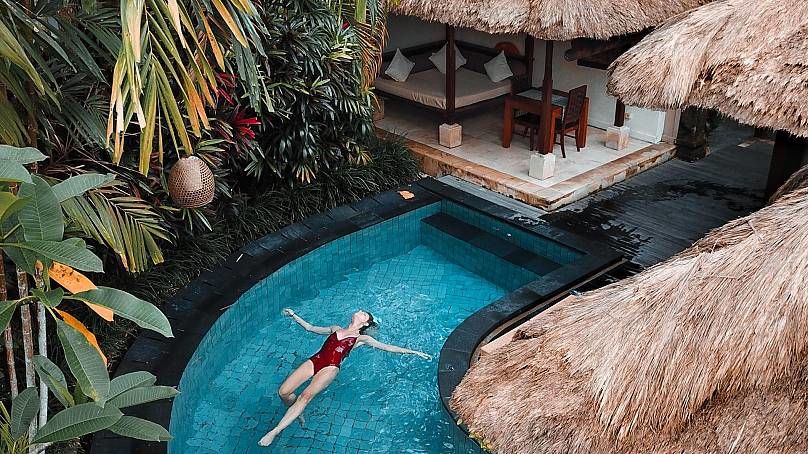
He later clarified that he was referring to filtering out visitors who might violate the country’s health or immigration rules.
But the 2022 arrival of luxury hospitality brands like Banyan Tree and Jumeirah in Bali suggest the island is tipping further away from its backpacker past.
Montserrat lures lucrative digital nomads
Fancy making the mountainous Caribbean island of Montserrat your home for a year? If your annual income is above $70,000 (€69,000), now you can.
Launched in February 2021, the Remote Work Stamp invites high-earning digital nomads to “work remotely and safely from an exotic location.”
The application fee is $500 (€493).
New Zealand snubs ‘$10-a-day’ campervanners
New Zealand’s post-pandemic tourism recovery scheme has its sights set on high-net-worth individuals.
“These are not the guys that jump in a camper van and…get around our country on $10 [€7] a day by eating dried noodles,” said Tourism Minister Stuart Nash speaking at the Tourism Export Council of New Zealand annual conference in August 2022.
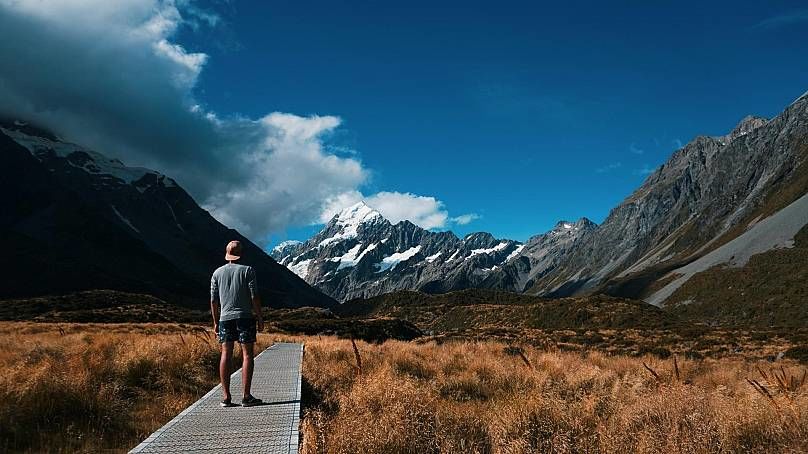
Instead, he wants to attract visitors who “spend a little more money, stay a little bit longer.”
New Zealand finally reopened its borders in August 2022, with plans to better manage the tourism industry by avoiding overcrowding and improving sustainability.
Thailand tries to shake its backpacker legacy
Thailand’s tourism industry is steadily recovering after months of COVID restrictions, which tested visitors’ willingness to fork out for expensive quarantine schemes.
Keen to capitalise on this and shake the country’s long-standing image as a backpacker haven, government ministers have asked hotels and business to refrain from luring tourists with big discounts.
"We cannot let people come to Thailand and say because it's cheap," said Deputy Prime Minister Anutin Charnvirakul at a tourism event in July 2022.
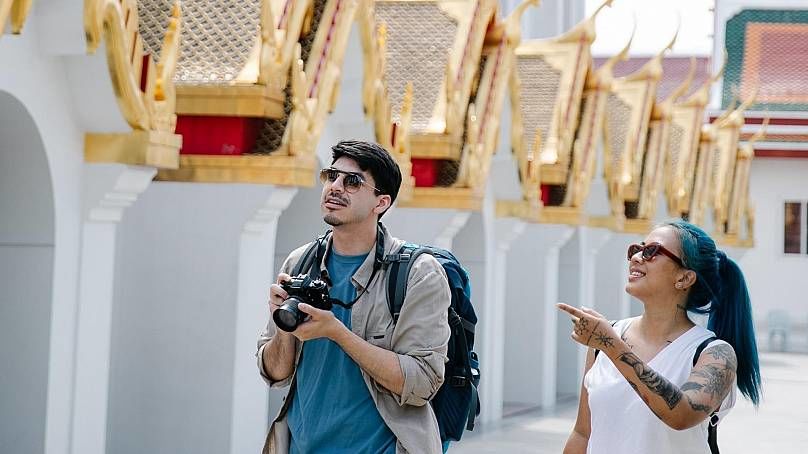
Instead, he suggested the country should focus on raising its value as a premium travel destination, reports Reuters.
Thailand also hopes to lure high-earning digital nomads with its new 10-year ‘work from Thailand’ visa. Only open to those earning upwards of $80,000 (€78,965) per year, the visa solidifies the country’s push for wealthy visitors.