Royal Navy’s Proteus Unmanned Helicopter Takes Flight in Drive to Strengthen North Atlantic Defence
Britain’s first full-size autonomous helicopter completes maiden flight as part of a broader effort to counter evolving maritime threats
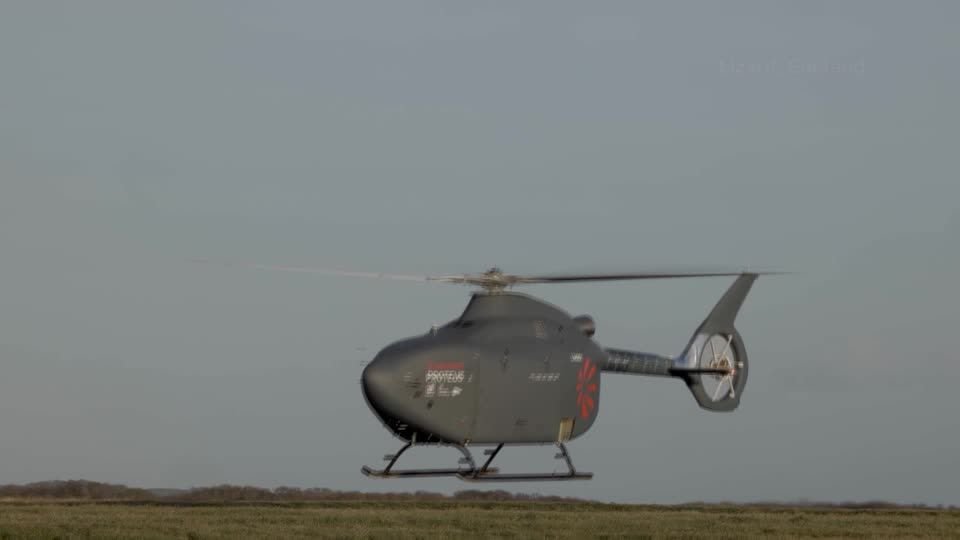
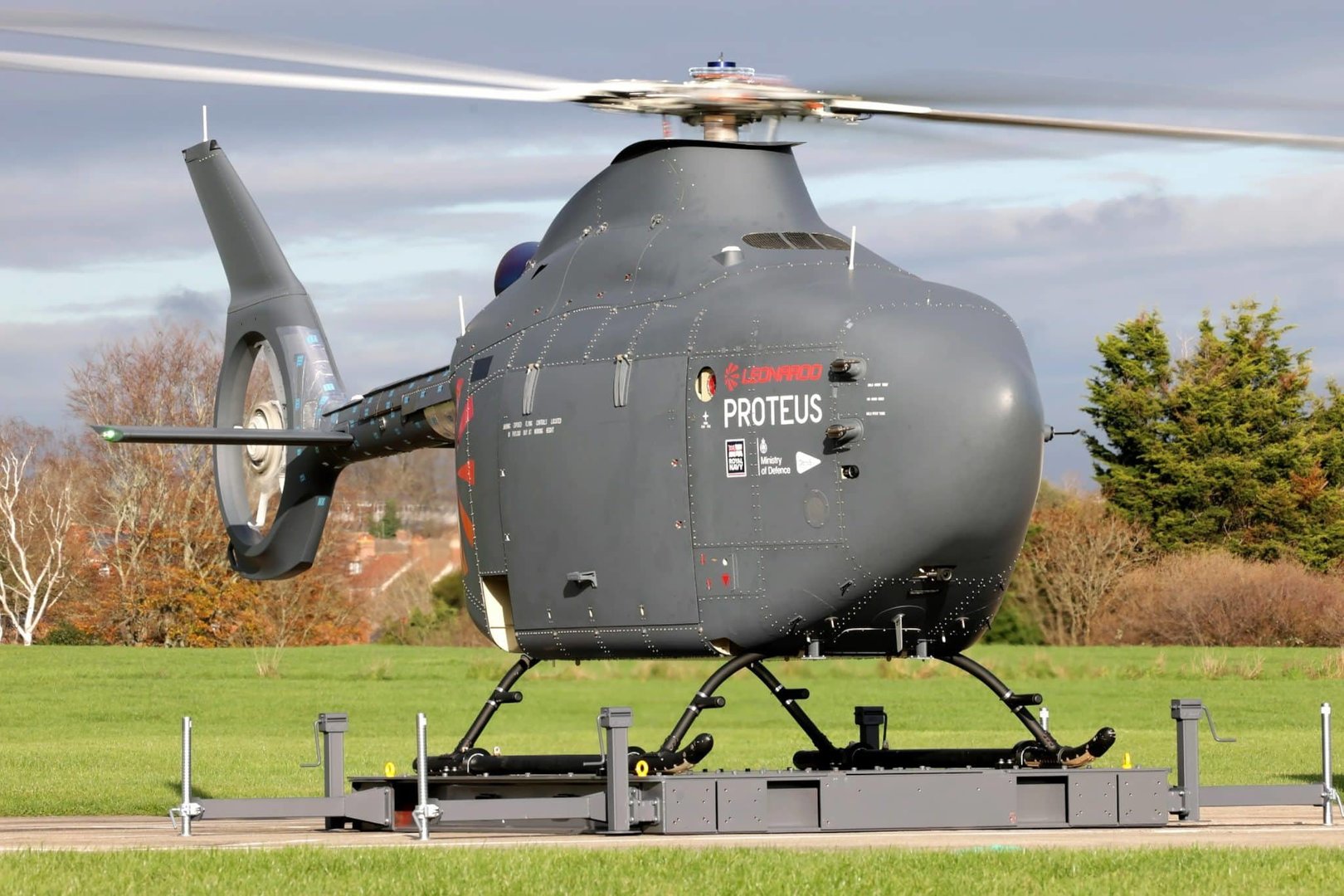
The United Kingdom’s Royal Navy has achieved a significant milestone in modernising its maritime aviation capabilities with the successful maiden flight of Proteus, its first full-size autonomous helicopter.
The flight, conducted on January sixteen from Predannack airfield in Cornwall, saw the aircraft operate independently under the supervision of test pilots, marking a historic moment in British defence technology.
Proteus, developed by Leonardo Helicopters under a multi-million-pound programme, is designed to undertake a range of missions crucial to future operations, including anti-submarine warfare, intelligence, surveillance and reconnaissance, and search and rescue.
The autonomous rotorcraft is a key component of the Royal Navy’s vision for a ‘hybrid air wing’ in which uncrewed systems complement traditional crewed aircraft, enhancing operational reach and persistence over the North Atlantic and beyond.
Proteus carries advanced sensors and onboard software that enable it to perceive its environment, make decisions and respond autonomously to dynamic conditions at sea.
With a modular payload capacity of more than one tonne, it can be adapted for multiple mission roles, offering the Royal Navy flexibility against asymmetric and undersea threats.
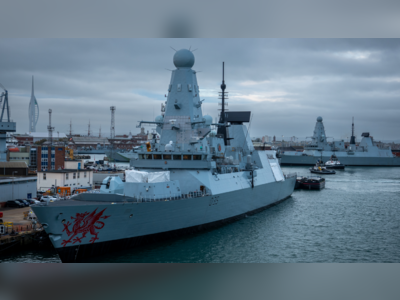
The development of Proteus aligns with the UK’s broader ‘Atlantic Bastion’ and hybrid fleet strategy, which integrates autonomous vessels, aircraft and surface ships to strengthen deterrence and surveillance in the strategically vital North Atlantic corridor.
Defence officials assert that these innovations are essential in countering increasing submarine activity and protecting critical sea-based infrastructure.
While Proteus currently operates as a demonstrator and testbed, its successful test flight underscores Britain’s commitment to advancing autonomous systems as part of its future defence posture and securing its maritime approaches in collaboration with NATO allies.
The flight, conducted on January sixteen from Predannack airfield in Cornwall, saw the aircraft operate independently under the supervision of test pilots, marking a historic moment in British defence technology.
Proteus, developed by Leonardo Helicopters under a multi-million-pound programme, is designed to undertake a range of missions crucial to future operations, including anti-submarine warfare, intelligence, surveillance and reconnaissance, and search and rescue.
The autonomous rotorcraft is a key component of the Royal Navy’s vision for a ‘hybrid air wing’ in which uncrewed systems complement traditional crewed aircraft, enhancing operational reach and persistence over the North Atlantic and beyond.
Proteus carries advanced sensors and onboard software that enable it to perceive its environment, make decisions and respond autonomously to dynamic conditions at sea.
With a modular payload capacity of more than one tonne, it can be adapted for multiple mission roles, offering the Royal Navy flexibility against asymmetric and undersea threats.
The development of Proteus aligns with the UK’s broader ‘Atlantic Bastion’ and hybrid fleet strategy, which integrates autonomous vessels, aircraft and surface ships to strengthen deterrence and surveillance in the strategically vital North Atlantic corridor.
Defence officials assert that these innovations are essential in countering increasing submarine activity and protecting critical sea-based infrastructure.
While Proteus currently operates as a demonstrator and testbed, its successful test flight underscores Britain’s commitment to advancing autonomous systems as part of its future defence posture and securing its maritime approaches in collaboration with NATO allies.