Rachel Reeves Says Deeper Integration with Europe Is ‘Biggest Prize’ for UK Economy
Chancellor signals renewed push to strengthen trade and regulatory ties with EU as part of growth strategy
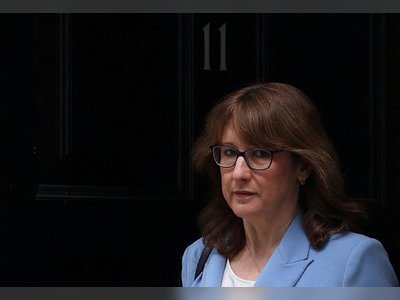
Chancellor Rachel Reeves has declared that closer economic integration with Europe represents the “biggest prize” for Britain’s economy, signalling a renewed effort by the government to strengthen trade and regulatory cooperation with the European Union.
Speaking during a policy address focused on growth and competitiveness, Reeves said that improving the UK’s economic relationship with its largest trading partner would unlock significant opportunities for exporters, investors and the financial services sector.
She argued that reducing trade frictions, deepening cooperation in areas such as energy and financial regulation, and rebuilding trust with European counterparts are central to the government’s long-term growth agenda.
The comments come as the UK continues to navigate the post-Brexit trading environment, with businesses reporting ongoing administrative costs and regulatory divergence affecting cross-border commerce.
Reeves indicated that while the government is not seeking to rejoin the EU’s single market or customs union, it aims to pursue practical arrangements that make it easier for British firms to sell goods and services into European markets.
Among the areas under discussion are mutual recognition agreements, streamlined customs processes and enhanced collaboration in green energy and advanced manufacturing.
Reeves framed economic cooperation with Europe as complementary to, rather than in competition with, global trade ambitions.
She said the government intends to strengthen partnerships with the United States and emerging markets, but stressed that proximity and existing supply chains make Europe uniquely important to Britain’s economic prospects.
Business groups have broadly welcomed signals of a more pragmatic approach, noting that the EU remains the destination for roughly half of UK goods exports.
Political opponents have questioned whether closer regulatory alignment could limit Britain’s autonomy, while supporters argue that stability and predictability are essential for investment.
Reeves maintained that the government’s approach would protect the UK’s decision-making independence while prioritising jobs and economic security.
The chancellor’s remarks form part of a broader economic strategy aimed at boosting productivity and restoring investor confidence after a period of subdued growth.
With talks between London and Brussels expected to intensify in the coming months, the government appears to be positioning improved European integration as a cornerstone of its economic revival plan.
Speaking during a policy address focused on growth and competitiveness, Reeves said that improving the UK’s economic relationship with its largest trading partner would unlock significant opportunities for exporters, investors and the financial services sector.
She argued that reducing trade frictions, deepening cooperation in areas such as energy and financial regulation, and rebuilding trust with European counterparts are central to the government’s long-term growth agenda.
The comments come as the UK continues to navigate the post-Brexit trading environment, with businesses reporting ongoing administrative costs and regulatory divergence affecting cross-border commerce.
Reeves indicated that while the government is not seeking to rejoin the EU’s single market or customs union, it aims to pursue practical arrangements that make it easier for British firms to sell goods and services into European markets.
Among the areas under discussion are mutual recognition agreements, streamlined customs processes and enhanced collaboration in green energy and advanced manufacturing.
Reeves framed economic cooperation with Europe as complementary to, rather than in competition with, global trade ambitions.
She said the government intends to strengthen partnerships with the United States and emerging markets, but stressed that proximity and existing supply chains make Europe uniquely important to Britain’s economic prospects.
Business groups have broadly welcomed signals of a more pragmatic approach, noting that the EU remains the destination for roughly half of UK goods exports.
Political opponents have questioned whether closer regulatory alignment could limit Britain’s autonomy, while supporters argue that stability and predictability are essential for investment.
Reeves maintained that the government’s approach would protect the UK’s decision-making independence while prioritising jobs and economic security.
The chancellor’s remarks form part of a broader economic strategy aimed at boosting productivity and restoring investor confidence after a period of subdued growth.
With talks between London and Brussels expected to intensify in the coming months, the government appears to be positioning improved European integration as a cornerstone of its economic revival plan.