Princess of Wales Marks Anzac Day with Tribute to Australian and New Zealand War Dead
Royal participation underscores enduring Commonwealth ties as commemorations proceed amid heightened public scrutiny of ceremony and symbolism
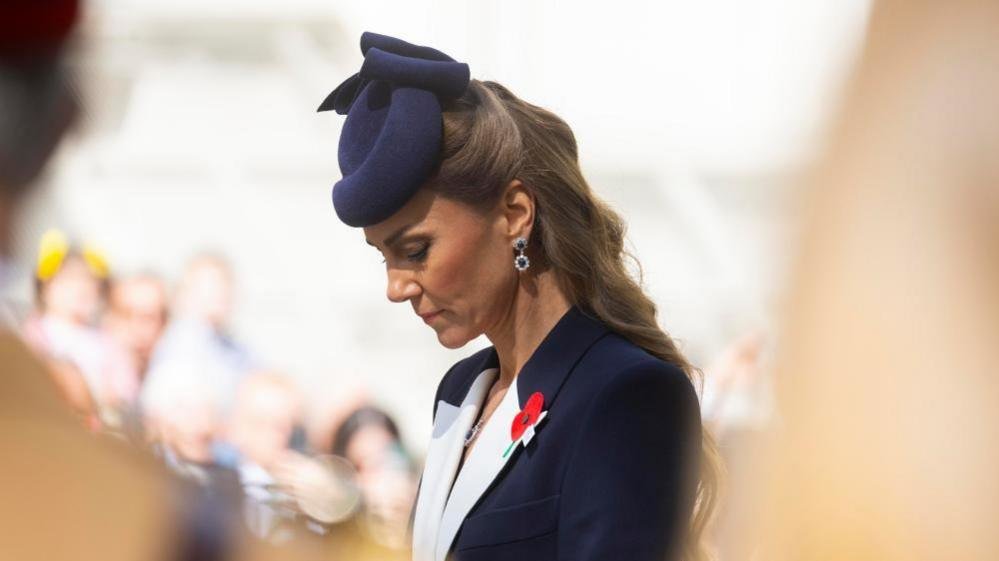
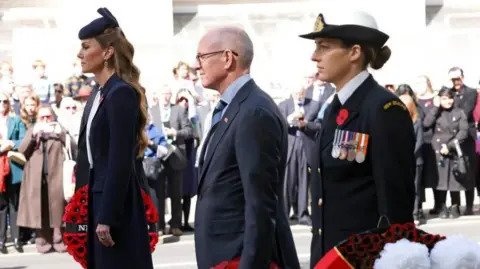
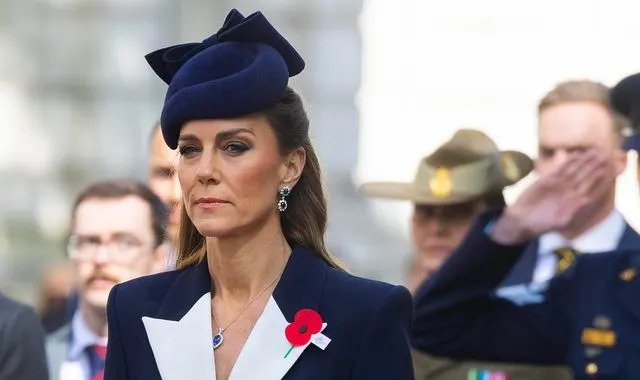
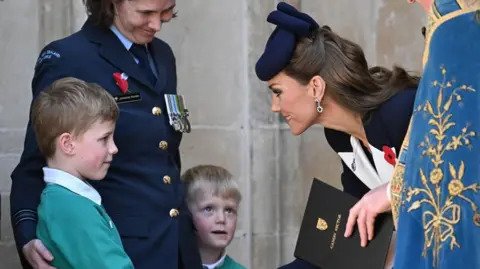
The Princess of Wales, a senior member of the British royal family, has publicly honored Australian and New Zealand service members killed in war, reinforcing the United Kingdom’s ceremonial role in Anzac Day commemorations and its historical ties to Commonwealth nations.
What is confirmed is that the Princess issued a formal message of remembrance marking Anzac Day, the annual commemoration held on April 25 to honor members of the Australian and New Zealand Army Corps who served and died in conflicts beginning with the First World War.
The message acknowledged sacrifice, resilience, and the shared military history linking the United Kingdom with Australia and New Zealand.
Anzac Day holds a distinct national significance in both countries, functioning as a central moment of collective memory comparable to Remembrance Day in the United Kingdom.
Dawn services, marches, and wreath-laying ceremonies take place across cities and towns, with participation from political leaders, military officials, veterans, and the public.
British royals have long played a symbolic role, particularly at services held in London and at memorial sites linked to Commonwealth forces.
The Princess of Wales’s tribute comes at a time when public commemorations in Australia have drawn increased attention for reasons beyond remembrance.
Recent ceremonies were disrupted by organized protests targeting Indigenous acknowledgment practices, placing additional focus on how national identity is expressed during official events.
Against that backdrop, royal messaging has emphasized unity, respect, and shared sacrifice across diverse communities.
The mechanism behind such royal statements is largely ceremonial but carries diplomatic weight.
As a constitutional monarchy, the United Kingdom maintains formal ties with Commonwealth countries, and royal participation in commemorations serves to reinforce those relationships without direct political intervention.
Messages issued by senior royals are typically coordinated with government and defense institutions to align with broader commemorative themes.
The Princess’s role also reflects a generational transition within the monarchy.
As the wife of the heir to the throne, her public engagements increasingly position her as a key representative in international remembrance events.
Her statement aligns with similar tributes made by other senior royals, including the King, and forms part of a coordinated effort to maintain continuity in royal ceremonial duties.
For Australia and New Zealand, international recognition of Anzac Day reinforces the global dimension of their military history.
Troops from both countries have served alongside British forces in major conflicts for over a century, and commemorations abroad—particularly in London and at former battlefields—remain an important extension of national observance.
The immediate consequence of the Princess’s tribute is to reaffirm the United Kingdom’s ongoing symbolic connection to Anzac Day at a moment when the meaning and conduct of such ceremonies are under renewed examination.
The message places emphasis on remembrance as a unifying act, even as debates continue over how that unity is defined and expressed in contemporary public life.
What is confirmed is that the Princess issued a formal message of remembrance marking Anzac Day, the annual commemoration held on April 25 to honor members of the Australian and New Zealand Army Corps who served and died in conflicts beginning with the First World War.
The message acknowledged sacrifice, resilience, and the shared military history linking the United Kingdom with Australia and New Zealand.
Anzac Day holds a distinct national significance in both countries, functioning as a central moment of collective memory comparable to Remembrance Day in the United Kingdom.
Dawn services, marches, and wreath-laying ceremonies take place across cities and towns, with participation from political leaders, military officials, veterans, and the public.
British royals have long played a symbolic role, particularly at services held in London and at memorial sites linked to Commonwealth forces.
The Princess of Wales’s tribute comes at a time when public commemorations in Australia have drawn increased attention for reasons beyond remembrance.
Recent ceremonies were disrupted by organized protests targeting Indigenous acknowledgment practices, placing additional focus on how national identity is expressed during official events.
Against that backdrop, royal messaging has emphasized unity, respect, and shared sacrifice across diverse communities.
The mechanism behind such royal statements is largely ceremonial but carries diplomatic weight.
As a constitutional monarchy, the United Kingdom maintains formal ties with Commonwealth countries, and royal participation in commemorations serves to reinforce those relationships without direct political intervention.
Messages issued by senior royals are typically coordinated with government and defense institutions to align with broader commemorative themes.
The Princess’s role also reflects a generational transition within the monarchy.
As the wife of the heir to the throne, her public engagements increasingly position her as a key representative in international remembrance events.
Her statement aligns with similar tributes made by other senior royals, including the King, and forms part of a coordinated effort to maintain continuity in royal ceremonial duties.
For Australia and New Zealand, international recognition of Anzac Day reinforces the global dimension of their military history.
Troops from both countries have served alongside British forces in major conflicts for over a century, and commemorations abroad—particularly in London and at former battlefields—remain an important extension of national observance.
The immediate consequence of the Princess’s tribute is to reaffirm the United Kingdom’s ongoing symbolic connection to Anzac Day at a moment when the meaning and conduct of such ceremonies are under renewed examination.
The message places emphasis on remembrance as a unifying act, even as debates continue over how that unity is defined and expressed in contemporary public life.