UK official alleges political pressure in rushed security approval of Mandelson US ambassador appointment
Former Foreign Office chief Olly Robbins says Downing Street pushed for expedited clearance despite security vetting concerns over Peter Mandelson’s Washington posting, intensifying scrutiny of government decision-making.
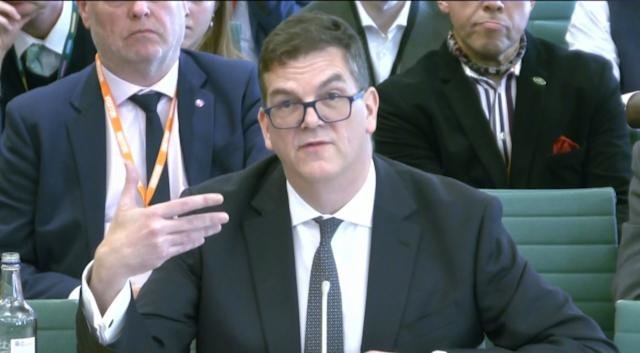
The UK government’s handling of Peter Mandelson’s appointment as ambassador to the United States has come under renewed scrutiny after a senior former civil servant testified that he felt political pressure from Downing Street to accelerate the security approval process despite unresolved concerns flagged during vetting.
The issue centres on Olly Robbins, formerly head of the Foreign Office, who was involved in the final stages of the appointment process.
He has told lawmakers that there was a sustained expectation from the Prime Minister’s office that Mandelson be cleared quickly and placed in Washington, even as the government’s security vetting system was still assessing potential risks associated with the appointment.
What is confirmed is that Robbins described an “atmosphere of pressure” and a “very strong expectation” that the approval process be expedited.
He said this pressure came at a point when the vetting process had not fully concluded and when internal assessments were still under discussion.
He also stated that the vetting body had considered Mandelson a borderline case and had initially leaned toward recommending against clearance, though the precise grounds for that assessment were not fully disclosed in open testimony.
Robbins has also said the security concerns raised were not linked to Mandelson’s known association with Jeffrey Epstein, countering speculation that this issue formed part of the formal vetting risk analysis.
Instead, he declined to publicly detail the specific reasons the vetting agency had flagged him, citing limits on what could be disclosed in parliamentary proceedings.
The case has escalated politically because the ambassadorial appointment was politically significant and time-sensitive, with the government viewing the US posting as strategically important.
The pressure described by Robbins suggests a tension between diplomatic urgency and formal security procedures, raising questions about how decision-making authority is balanced between elected officials and professional security assessors.
The government has defended its handling of the appointment, arguing that ministers were not fully informed of the vetting concerns at the decisive moment and that the process involved standard political oversight rather than improper interference.
Officials maintain that security advice was ultimately considered, but acknowledge internal breakdowns in communication between departments.
The wider consequence is a deepening institutional dispute over accountability in high-level diplomatic appointments.
Parliamentary scrutiny has intensified, with lawmakers examining whether security vetting recommendations were overridden or accelerated under political direction, and whether such actions reflect a one-off procedural failure or a broader weakening of safeguards in sensitive postings.
The appointment and subsequent controversy have already led to heightened political pressure on senior government figures, internal reviews of vetting procedures, and demands for clearer separation between security assessments and political timelines in future ambassadorial selections.
The process is now under formal parliamentary examination, with attention focused on how such an important diplomatic role was approved while internal concerns were still active.
The issue centres on Olly Robbins, formerly head of the Foreign Office, who was involved in the final stages of the appointment process.
He has told lawmakers that there was a sustained expectation from the Prime Minister’s office that Mandelson be cleared quickly and placed in Washington, even as the government’s security vetting system was still assessing potential risks associated with the appointment.
What is confirmed is that Robbins described an “atmosphere of pressure” and a “very strong expectation” that the approval process be expedited.
He said this pressure came at a point when the vetting process had not fully concluded and when internal assessments were still under discussion.
He also stated that the vetting body had considered Mandelson a borderline case and had initially leaned toward recommending against clearance, though the precise grounds for that assessment were not fully disclosed in open testimony.
Robbins has also said the security concerns raised were not linked to Mandelson’s known association with Jeffrey Epstein, countering speculation that this issue formed part of the formal vetting risk analysis.
Instead, he declined to publicly detail the specific reasons the vetting agency had flagged him, citing limits on what could be disclosed in parliamentary proceedings.
The case has escalated politically because the ambassadorial appointment was politically significant and time-sensitive, with the government viewing the US posting as strategically important.
The pressure described by Robbins suggests a tension between diplomatic urgency and formal security procedures, raising questions about how decision-making authority is balanced between elected officials and professional security assessors.
The government has defended its handling of the appointment, arguing that ministers were not fully informed of the vetting concerns at the decisive moment and that the process involved standard political oversight rather than improper interference.
Officials maintain that security advice was ultimately considered, but acknowledge internal breakdowns in communication between departments.
The wider consequence is a deepening institutional dispute over accountability in high-level diplomatic appointments.
Parliamentary scrutiny has intensified, with lawmakers examining whether security vetting recommendations were overridden or accelerated under political direction, and whether such actions reflect a one-off procedural failure or a broader weakening of safeguards in sensitive postings.
The appointment and subsequent controversy have already led to heightened political pressure on senior government figures, internal reviews of vetting procedures, and demands for clearer separation between security assessments and political timelines in future ambassadorial selections.
The process is now under formal parliamentary examination, with attention focused on how such an important diplomatic role was approved while internal concerns were still active.