London Daily

Focus on the big picture.
Sunday, Jul 12, 2026

Petrol price hits new record above £1.60 a litre

Petrol price hits new record above £1.60 a litre

Petrol prices have risen above £1.60 a litre on average for the first time as Russia's invasion of Ukraine continues to affect the cost of oil worldwide.

Unleaded petrol hit £1.61 a litre on Thursday, having risen by 8p in a week, while diesel reached £1.70 a litre.

The RAC said wholesale fuel costs had dropped for two days in a row, but warned prices at the pump are set to remain high for some time.

The rise in fuel costs has led to a squeeze on margins for businesses.

North East Coach Travel, based in Newcastle upon Tyne, warned it could end up running its services at a loss.

Jenna Rush, the firm's managing director, said most of its bookings were agreed last year and did not take into account such a sharp rise in costs sparked by the economic fallout from the Ukraine war.

"It's just awful, it's a very, very stressful time," Ms Rush told the BBC's Today programme.

"We tendered as far back as last year for this type of work, no one envisaged that the fuel prices would increase as much as they have.

"At the moment we're scared that we are going to be running at a loss when it keeps increasing."

Ms Rush warned the rising costs could lead to some operators pulling out of contracts.

She said the company was trying to renegotiate prices with customers, but added it was proving "very, very difficult".

"The profit margins are too small that we just can't absorb them costs ourselves, not coming off the back of Covid anyway. It's been a very hard two years. We've been beginning to see the green shoots of recovery coming through but now this is just another kick in the teeth."

The RAC motoring group said it was costing over £88 on average to fill up a car with petrol.

It called on the government to reduce VAT on fuel, which it said added 28p on the cost of petrol or diesel per litre.

Fuel prices have been rising amid fears of a global economic shock from Russia's invasion of Ukraine.

Oil prices are mainly determined by the price of crude oil and the dollar exchange rate, as agreements are made in dollars.

Russia is the third largest oil exporter and some Western countries, for example the US and Canada, decided to halt imports from the country in response to Russia's actions. It means demand for oil from other producers has increased, leading to increased prices.

At one point Brent crude - the global benchmark for oil prices - jumped to $139 a barrel, the highest level for almost 14 years.

The UK only imports about 6% of oil from Russia, so is not as dependent on Russia for the commodity supply as other European countries are and has said it plans to phase it out.

It is, however, affected by the global shifts in price.

But early on Friday the price of Brent crude was on track for its biggest weekly drop since November and was trading at about $107.

The drop in price is party due to reduced fears of a European ban on Russian oil, and partly due to speculation that extra supplies could come onto the market from Iran, Venezuela and the UAE.
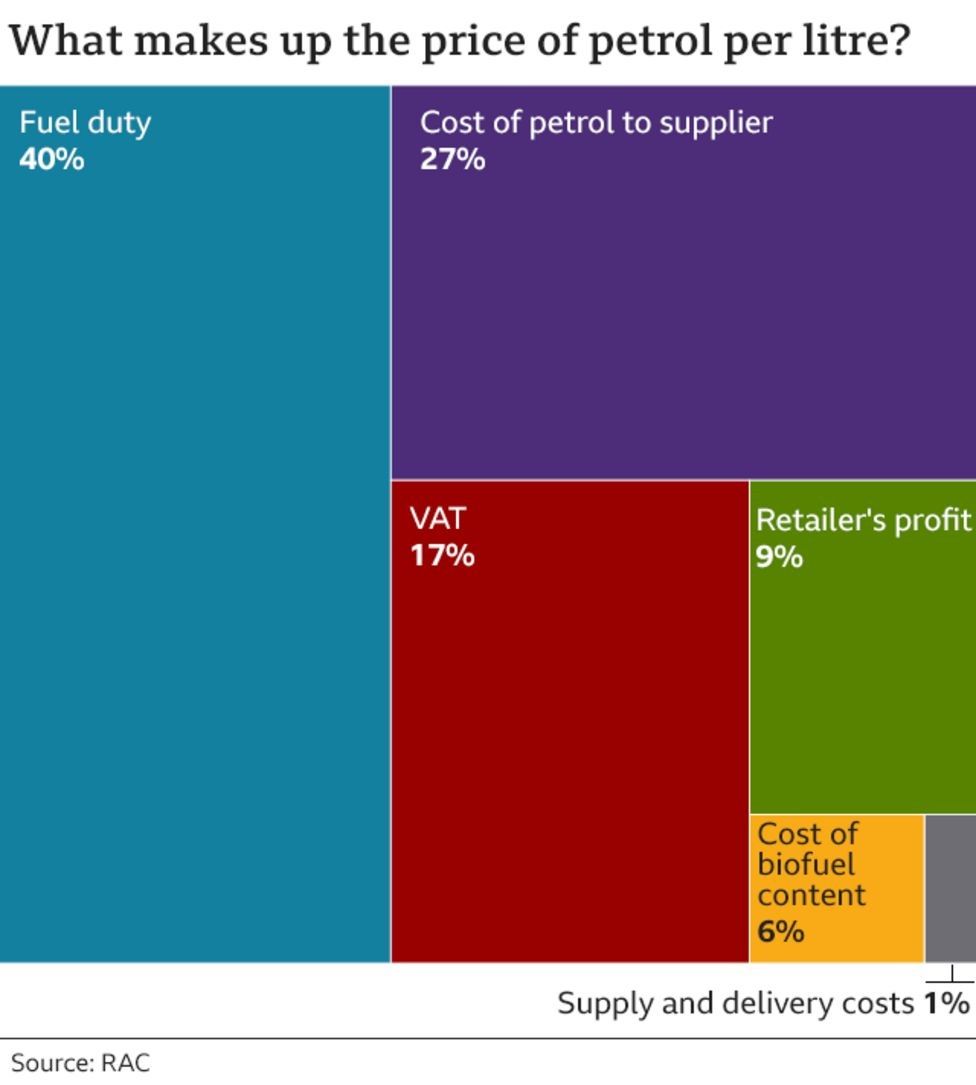

Yet higher prices at the pumps are likely to remain in the coming weeks, due to the way retailers buy the fuel, Simon Williams, fuel spokesman for the RAC said.

"There is a real hope that these prices will filter through," he said. "We would really hope these drops will take some of the heat out of the rising prices so we won't have records set on a daily basis."

But Mr Williams said there was a concern retailers might be reluctant to lower their prices for fear of "catching a cold" if wholesale costs jump back up again.

It means for the time being, firms such as North East Coach Travel will have to continue to bare the brunt of higher fuel prices.

"This could be the straw that breaks the camel's back with some operators where they just hand the contracts back and say, 'I'm done, I can't continue anymore'," said Ms Rush.

"People are already stressing about how they're going to manage themselves with filling their own car up, paying their own gas and electric that's increasing at home. How are they going to keep managing to pay out for further things?"

The UK is experiencing rising prices for energy, food as well as fuel as the economy recovers from the pandemic, and some expect the inflation rate to reach 8% later this year.

Newsletter

Related Articles

0:00
0:00
Close
Passenger Is Pulled Partly Outside Ryanair Jet After Window Fails Mid-Flight
Innovation-led growth strategy
Public service reform pressure
Defence and industrial security
Labour leadership transition and economic reset
Northern England Pushes for Greater Influence in Britain’s Future Economic Model
UK Technology Strategy Focuses on Life Sciences, Digital Innovation and Research Investment
Britain and United States Maintain Focus on Pharmaceuticals Cooperation and Industrial Growth
UK Public Services Face Continued Pressure as Government Promises Visible Improvements
Regional Economic Power Becomes Key Theme in Britain’s Next Political Phase
Britain Expands Support for Small Businesses as Firms Seek Better Access to Finance
UK Economy Remains Central Political Challenge as Cost of Living and Growth Concerns Persist
National Health Service Introduces New Workplace Reviews to Improve Conditions for Healthcare Staff
UK Life Sciences Sector Secures More Than Three Billion Pounds in Investment to Support Innovation
Britain Strengthens Defence Strategy as Security Concerns Reshape Military and Industrial Policy
Andy Burnham Promises Stronger UK Defence Industry and Expanded Domestic Production
UK Government Faces Difficult Spending Choices as Labour Leadership Transition Approaches
Rachel Reeves Warns Andy Burnham of Immediate Economic Challenges After Expected Leadership Change
Andy Burnham Prepares to Lead UK Government With Plans for Regional Power Shift and Economic Reset
Government Creates Emergency Support Scheme for Financially Struggling Universities
United Kingdom Replaces Traditional Farm Subsidies With Payments Linked to Environmental Performance
National Grid Reports First Week of Electricity Generation Without Fossil Fuels
United Kingdom Financial Regulator Introduces Tougher Capital Rules for Cryptocurrency Exchanges
Belfast Harbour Expands Operations to Attract Investment Through United Kingdom and European Union Market Access
Scottish Government Threatens Legal Challenge Over Westminster Cuts to North Sea Transition Funding
United Kingdom Accelerates Trans-Pennine High-Speed Rail Project Linking Northern Cities
United Kingdom Secures Ten Billion Pound Investment for Cambridge Quantum Computing Campus
Port Talbot Steelworks Wins Support for Green Hydrogen Transition and Protection of Industrial Jobs
United Kingdom Sends Royal Navy Carrier Strike Group to Indo-Pacific as Regional Security Focus Expands
National Health Service Expands Artificial Intelligence Diagnostics Across England to Reduce Screening Backlogs
United Kingdom Launches Fifty Billion Pound Infrastructure Fund to Accelerate Housing and Construction
UK Medical Chiefs Update Health Guidance to Promote Everyday Physical Activity
Office of Communications Keeps Wikipedia Under Review Under UK Online Safety Rules
UK Defence Ministry Expands Deep-Strike Capability Through Precision Missile Programme
Russell Group Universities Warn Funding Cuts Could Damage NHS Workforce Training
UK Parliament Calls for National Emergency Broadcast as Heatwave Conditions Intensify
UK and Netherlands Strengthen Naval Cooperation With New Amphibious Defence Partnership
UK Defence Ministry Joins International Missile Programme With One Hundred and Ninety Million Pound Investment
Bank of England Warns Middle East Conflict and AI Risks Could Pressure UK Economy
UK Government Introduces New Rules to Limit Foreign Influence in Political Donations
UK and France Prepare Naval Mission to Protect Shipping Through Strait of Hormuz
United States Pressures UK to Increase Defence Spending at NATO Summit
Bank of England Warns Artificial Intelligence Investment Boom Could Create Financial Stability Risks
Bank of England Begins Direct Oversight of Critical Technology Providers Supporting UK Finance
Andy Burnham Set to Become UK Prime Minister After Labour Leadership Race Clears Path to Downing Street
Scottish Fishing Industry Calls for Emergency Support Amid Rising Costs
UK Supports Stronger European Response to Russian Actions in Ukraine
Devon and Cornwall Police Release Suspect in Ann Widdecombe Murder Investigation
Scottish MPs Demand More Government Support for Fishing Industry
UK Aviation Sector Faces New Rules as Parliament Reviews Passenger Protection Reforms
×