Nigerian Court Orders UK to Pay £420 Million to Families of Miners Killed in 1949 Iva Valley Massacre
Enugu High Court rules British government liable for colonial-era killings and demands formal apologies alongside compensation
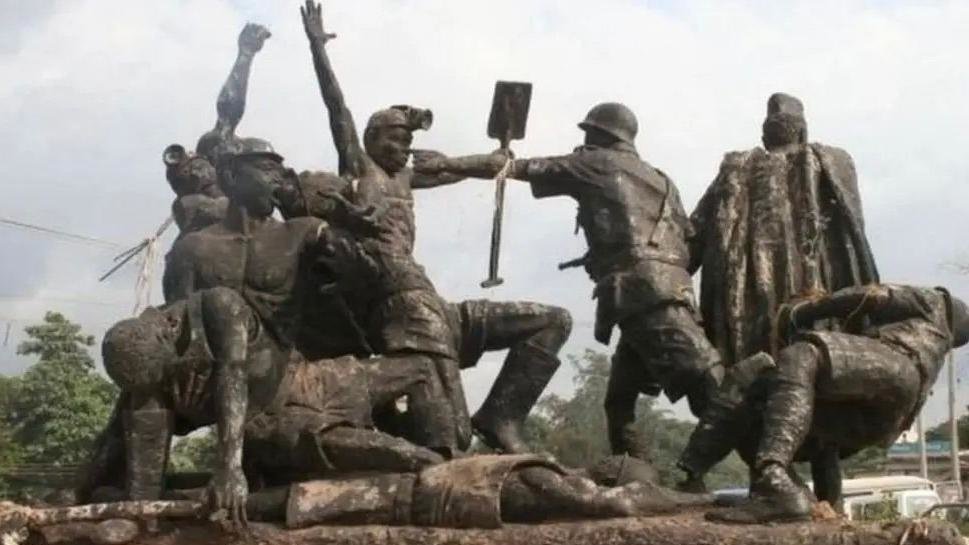
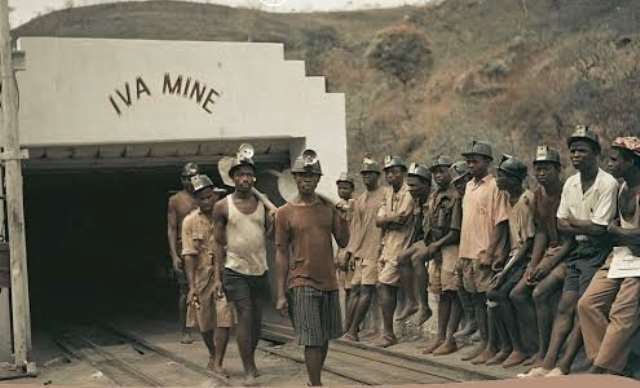
A Nigerian Enugu State High Court has delivered a landmark ruling ordering the British government to pay £420 million to the families of 21 coal miners shot dead by colonial forces during a protest at the Iva Valley Coal Mine in Enugu in 1949. Justice Anthony Onovo concluded on Thursday that the killings, which occurred during British colonial administration in what was then the Eastern Region of Nigeria, were unlawful and constituted an extrajudicial violation of the miners’ right to life.
The miners were peacefully protesting harsh working conditions, racial wage disparities and unpaid entitlements when British colonial police opened fire, killing 21 and injuring at least 51 others.
Under the judgment, each victim’s family is to receive £20 million, with post-judgment interest at a rate of ten per cent per annum accruing until the total amount is paid.
The court also directed the British government to issue unreserved written apologies to the victims’ families, to be published in leading newspapers in both Nigeria and the United Kingdom within sixty days, and stipulated that the compensation must be satisfied within ninety days of the judgment.
Onovo dismissed objections to the court’s jurisdiction on the basis that the events occurred under colonial rule, holding that serious human rights violations are justiciable regardless of when they were committed.
The suit was filed in 2024 by human rights activist Greg Onoh on behalf of the victims’ relatives, seeking acknowledgment of liability, a formal apology and reparations.
Respondents listed in the case included the British government, the United Kingdom’s Secretary of State for Foreign, Commonwealth and Development Affairs, the Nigerian federal government, the Attorney-General of the Federation and the head of the Commonwealth government of the United Kingdom, several of whom were not represented in court.
Justice Onovo also criticised the Nigerian federal government and Attorney-General for decades of inaction and directed them to initiate diplomatic engagement with British authorities within sixty days to pursue enforcement of the ruling.
Legal commentators have described the judgment as a significant moment in the pursuit of historical accountability for colonial-era human rights abuses, noting parallels with previous international precedents in which former colonial powers have provided redress for past violations.
The ruling underscores enduring efforts by victims’ families and activists to secure recognition and remedy for atrocities carried out under colonial rule more than seventy-five years ago, even as questions remain about the enforceability of such judgments against sovereign states with established doctrines of immunity in international law.
The miners were peacefully protesting harsh working conditions, racial wage disparities and unpaid entitlements when British colonial police opened fire, killing 21 and injuring at least 51 others.
Under the judgment, each victim’s family is to receive £20 million, with post-judgment interest at a rate of ten per cent per annum accruing until the total amount is paid.
The court also directed the British government to issue unreserved written apologies to the victims’ families, to be published in leading newspapers in both Nigeria and the United Kingdom within sixty days, and stipulated that the compensation must be satisfied within ninety days of the judgment.
Onovo dismissed objections to the court’s jurisdiction on the basis that the events occurred under colonial rule, holding that serious human rights violations are justiciable regardless of when they were committed.
The suit was filed in 2024 by human rights activist Greg Onoh on behalf of the victims’ relatives, seeking acknowledgment of liability, a formal apology and reparations.
Respondents listed in the case included the British government, the United Kingdom’s Secretary of State for Foreign, Commonwealth and Development Affairs, the Nigerian federal government, the Attorney-General of the Federation and the head of the Commonwealth government of the United Kingdom, several of whom were not represented in court.
Justice Onovo also criticised the Nigerian federal government and Attorney-General for decades of inaction and directed them to initiate diplomatic engagement with British authorities within sixty days to pursue enforcement of the ruling.
Legal commentators have described the judgment as a significant moment in the pursuit of historical accountability for colonial-era human rights abuses, noting parallels with previous international precedents in which former colonial powers have provided redress for past violations.
The ruling underscores enduring efforts by victims’ families and activists to secure recognition and remedy for atrocities carried out under colonial rule more than seventy-five years ago, even as questions remain about the enforceability of such judgments against sovereign states with established doctrines of immunity in international law.