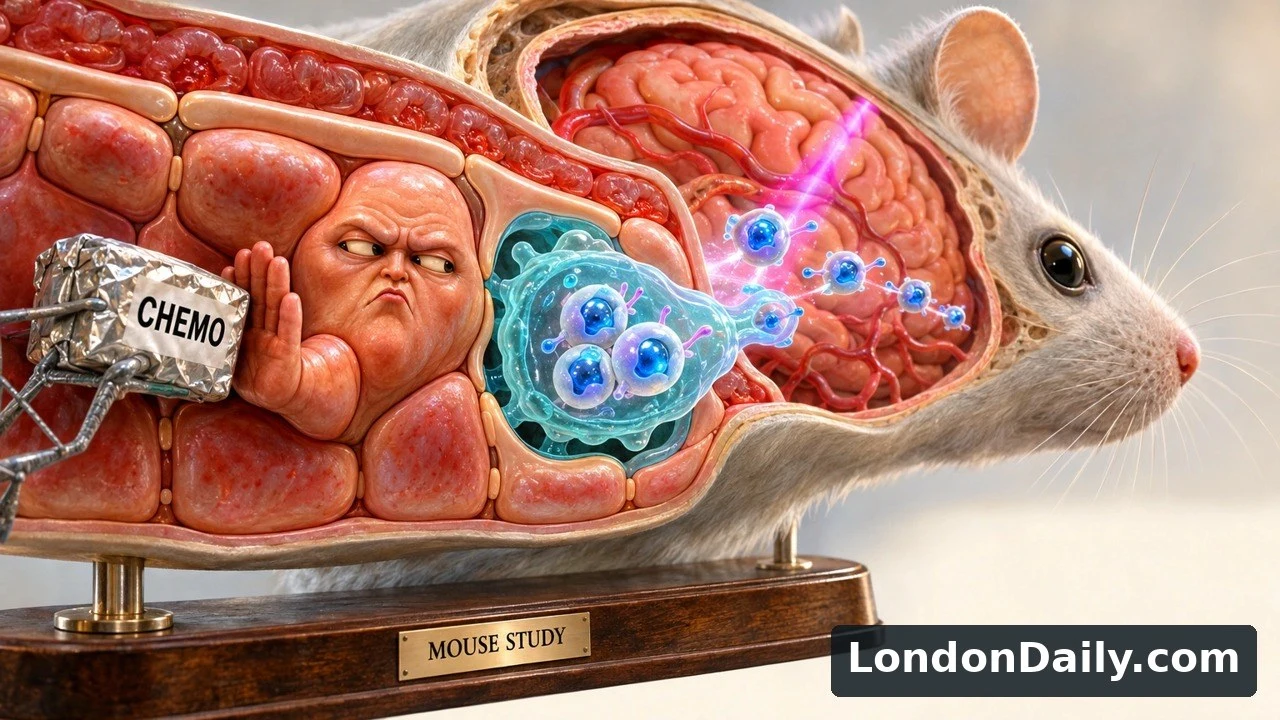
Tiny light-propelled robots carried five times more chemotherapy into the brains of mice than conventional delivery methods, suppressing tumour growth, researchers at the California Institute of Technology say.
The system, called BrainBot, tackles a particular obstacle in brain medicine: the protective barrier that keeps harmful substances out can also prevent potentially effective drugs from reaching their target. The findings concern mice with glioblastoma, a brain cancer, rather than patients.
Described in Science Robotics, the balloon-like bots measure 250 nanometres, hundreds of times smaller than the width of a human hair. They are made from biocompatible, biodegradable materials and injected into the bloodstream.
Near-infrared light directed towards the brain activates their propulsion. The approach combines this movement with biological targeting, helping cells ferry the bots across the blood-brain barrier so they can release their medication.
Wei Gao, professor of medical engineering at Caltech, said the team had initially been unsure how much propulsion at such a small scale could improve drug passage, given the speed of blood circulation.
“We showed that our BrainBots can carry medication through the bloodstream and help deliver it across the blood-brain barrier, one of the biggest challenges in treating brain diseases.”
The potential benefit extends beyond getting more medicine into the brain. The researchers said targeted delivery could markedly reduce the toxic effects elsewhere in the body associated with usual chemotherapy administration. That remains a potential clinical advantage, not an established benefit for patients.
Gao said the team also hoped neurological conditions such as Parkinson’s disease might eventually benefit. Researchers hope to begin human trials in future.
Roslyn Bill, professor of biotechnology at Aston University, described the mouse results as encouraging, saying the combination of biological recognition and active propulsion addressed a major limitation in drug delivery. She cautioned that considerable work remained before researchers would know whether it could translate into treatment for patients.
Dr Karen Noble, director of research and policy at Brain Tumour Research, said overcoming the barrier could transform treatment, but progress required sustained investment. She reiterated the charity’s call for national investment in brain tumour research of at least £45 million a year to help the government meet survival targets in the National Cancer Plan.
For now, the demonstrated advance is improved drug delivery and suppressed tumour growth in mice. Whether BrainBots can bring those benefits to people is the next substantial test.








Join the conversation