

Lucy Letby trial: Nurse accused of murder 'cared deeply about babies'
Lucy Letby is charged with killing seven babies and attempting to murder 10 others at Countess of Chester Hospital in 2015 and 2016.
Outlining Ms Letby's defence, Ben Myers KC, said she was a "dedicated nurse" and in "no way did she want to harm them".
Ms Letby, 32, denies 22 charges.
Mr Myers told the court: "She trained hard to be a neonatal nurse and what she wanted was to care for babies she looked after.
"The defence say she is not guilty of causing intentional harm to any baby or to killing any baby.
"She loved her job. She cared deeply about the babies and also cared for their families.
"She had a fulfilling life, had friends, a life outside work."
Manchester Crown Court earlier heard how she had penned passages including "I am evil" and "I killed them on purpose because I'm not good enough to care for them".
The notes were among other papers and post-it notes which also contained "many protestations of innocence", the jury was told.
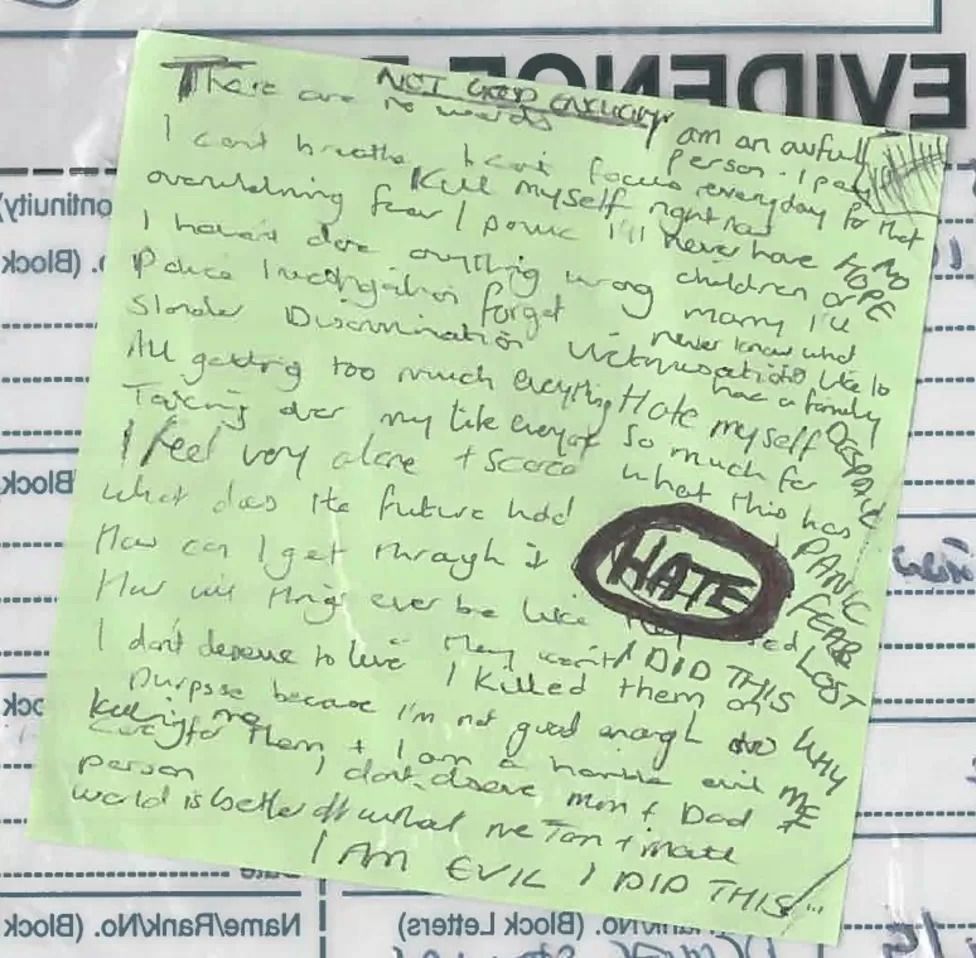 The nurse's tightly-written notes were shown to the jury during the trial
But Mr Myers said "anyone with an ounce of human understanding" would see the notes as "the anguished outpouring of a young woman in fear and despair when she realises the enormity of what is being said about her".
He continued: "We recognise the sadness and the stress, and even the anger, that comes with allegations like these.
"I start on behalf of the defence by acknowledging how upsetting the allegations will be and acknowledging the very great loss and sadness of the families involved.
"Anything that I do, or say, during this trial is not intended to diminish that in any way."
But he told jurors it would be "staggeringly unfair" to convict a person without a word of evidence.
He said there was "a real danger" people will simply accept the prosecution theory of guilt "based firmly on coincidence".
Pointing to Ms Letby, of Hereford, sitting in the dock, he told jurors: "It is important to be careful that blame is not heaped on that woman when there may be others who have made mistakes or a system which has failed."
In some cases, he said, no-one could say why a particular child deteriorated or died.
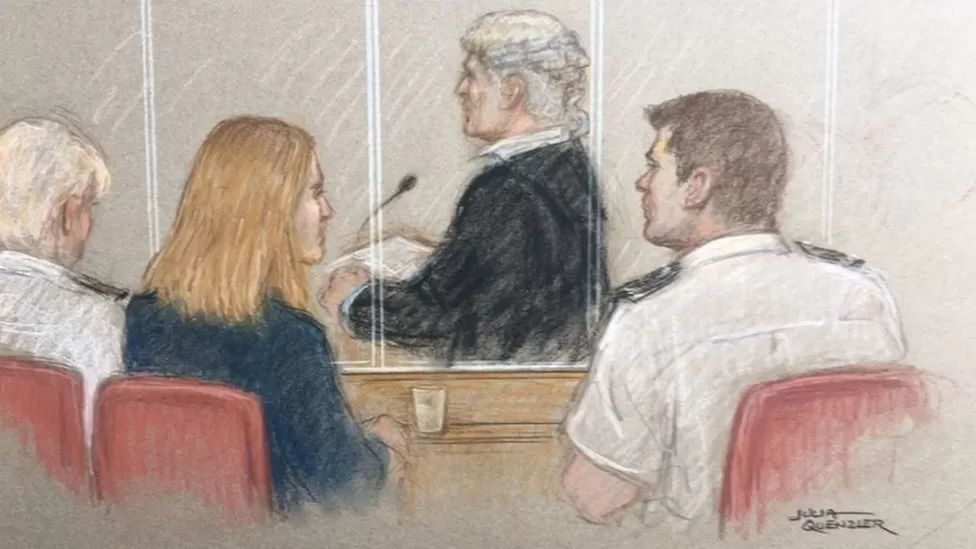 Lucy Letby denies attacking newborn children in a variety of ways including poisoning
Mr Myers said the jury had been shown Ms Letby's text messages, her Facebook searches on the families of babies she was alleged to have harmed and "pieces of paper" and mentioned "amateur psychology".
But he said the "foundation" of the case was medical evidence.
Mr Myers said causes of a baby's deterioration or death were not always clear.
He added in this case the babies were "clinically fragile" and in conditions that could change "very swiftly and deteriorate very rapidly".
Mr Myers said: "Ms Letby is adamant she's done nothing intentionally to harm these babies."
With Child A, the first murder count, Ms Letby was said to have injected air into the child, but he said the defence does not accept an air embolus - or air bubble - was the cause of death.
Mr Myers said the "polite" way of describing the care of Child A on the unit was "sub-optimal".
 Lucy Letby worked on the neonatal ward at the Countess of Chester Hospital
With Child B, who was Child A's twin sister, who Ms Letby is accused of trying to kill, it was a "good example" of the "assumption of guilt" and experts had been "influenced by the theory of harm".
Mr Myers said Child C, who Ms Letby is also alleged to have murdered by injecting him with air, was a "very premature" baby, born at 30 weeks.
He said such babies were vulnerable, especially to infection, and Child C should have been at a specialist children's hospital.
Mr Myers said the hospital failed to provide adequate care for Child D, who Ms Letby was alleged to have murdered with air.
He said it was "beyond dispute" Child D should have been given antibiotics hours before she was treated with them, and there was more evidence infection played a part in her death.
He said the prosecution alleged Ms Letby injected Child E with a fatal amount of air and attacked him in front of his mother.
He said: "We say there is no clear explanation in his case for what happened.
"That being so, it is not right to rely on the assumption of guilt."
He next turned to allegations that Ms Letby attempted to murder Child F - the twin brother of Child E - and Child L by poisoning them with insulin.
The barrister said there was "nothing in fact" to establish this.
Child G, who Ms Letby is accused of attempting to murder on three occasions, was an "extremely premature" baby who was "high risk", he said.
 Lucy Letby was described as a "dedicated nurse" by her defence
The defence did not accept Ms Letby did anything to contribute to Child's G health problems in the neonatal unit.
Child H, who Ms Letby is alleged to have attacked twice, was another example of "sub-optimal care" by the hospital and "nothing to do with Lucy Letby", he said.
Mr Myers said the defence did not accept Ms Letby caused any harm to Child I, who she is said to have tried to kill on three occasions before succeeding on the fourth attempt.
He said: "We will say her collapses and ultimately death were part of a series of clinical problems which may well have been inevitable given her extreme prematurity."
Mr Myers said the hospital was "well out of its depth" with Child J, who Ms Letby is said to have tried to murder, and knowing how to treat her.
He said an assumption of deliberate harm had been made rather than an alternative explanation of a baby receiving inadequate care.
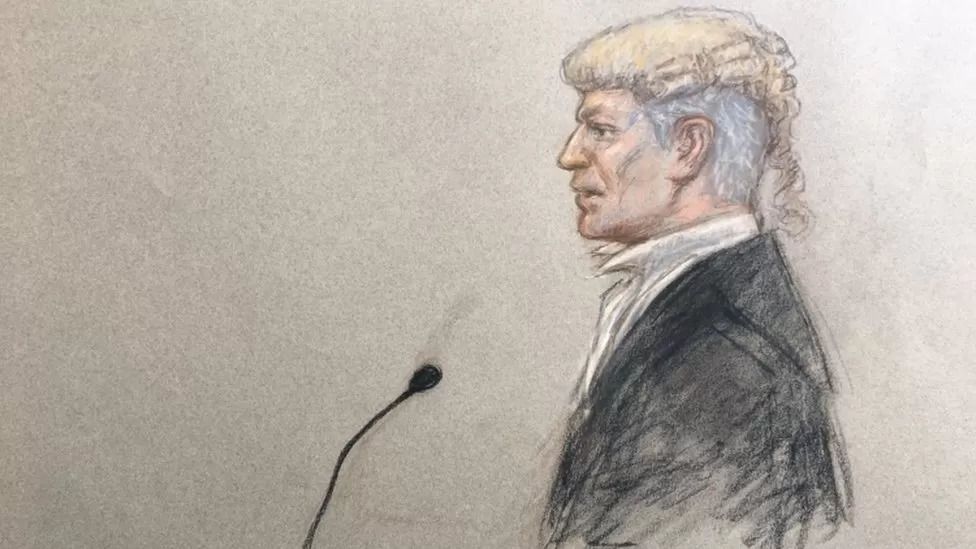 Ben Myers KC said Ms Letby "in no way wanted to harm" babies in her care
Child K, who is subject of another count of attempted murder, was said to have been harmed with the deliberate dislodging of a breathing tube.
But Mr Myers said the probable cause was the child inadvertently moving the tube herself.
Her case was another example of "sub-optimal care" in that she should have been treated at a more specialist unit.
Mr Myers said the defense did not accept that Child M, who is the twin brother of Child L, was harmed by an injection of excessive air or airway obstruction.
The defence's insisted there was no obvious cause of his collapse.
Mr Myers said: "We are back in the territory of blame being put on Lucy Letby because there is no obvious alternative."
Addressing the allegation that Child N was deliberately harmed by a nasogastric tube being pushed into his throat which caused him to scream, Mr Myers said: "The defence observe there are many reasons why a baby will shout or scream.
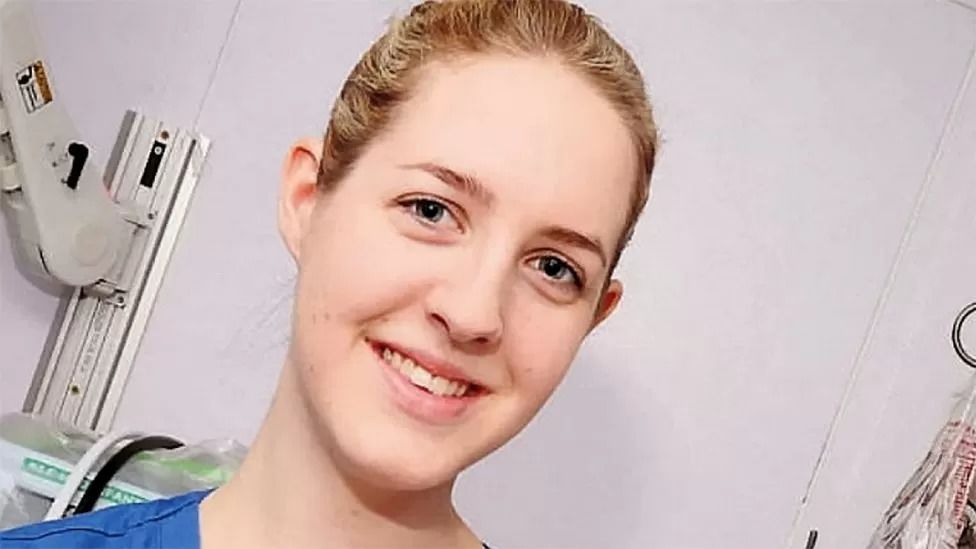 Lucy Letby denies the 22 charges against her
"We say it is more far more likely to be hunger. That may sound banal but sometimes it can be true."
Mr Myers said Child N was another baby who received "sub-optimal care" - not from Ms Letby - and should have been treated elsewhere.
The barrister said there was no evidence that Ms Letby inflicted harm to either Child O or Child P - two of three triplets - who she is said to have murdered, or to Child Q, who she allegedly attempted to murder.
Finally, Mr Myers said there were problems with the way the neonatal unit was run, suggesting it was overstretched and understaffed.
He added: "This whole case is complicated.
"Sat in that dock is a young woman who says this is not her fault, so we need to look at the evidence."
The trial was adjourned until Friday morning.