

Londoners furious as it's revealed ambulances can't get through new road blocks
It's often the case that blanket schemes introduced across large areas with the best intentions - in this case to cut pollution and traffic congestion - spark huge anger and recriminations at local level.
So it has proved with the so-called Lowe Traffic Neighbourhoods being set up across the capital.
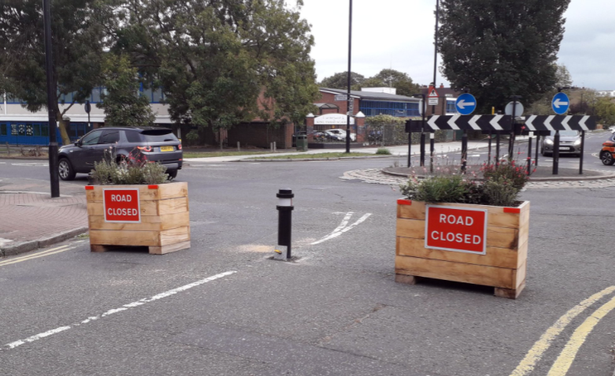
The schemes involve cutting off minor roads with planters or road blocks to try to cut congestion and prevent rat-running and encourage walking and cycling.
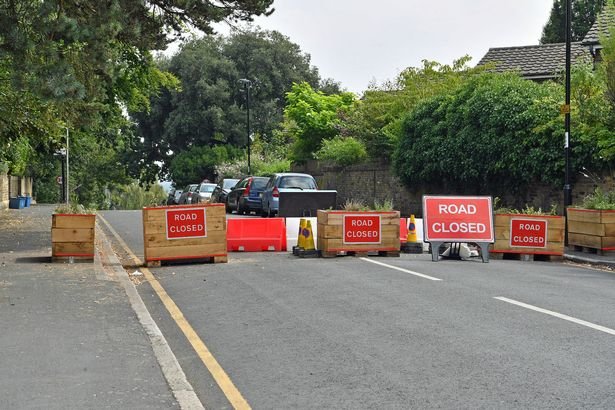
But they have sparked fury almost everywhere they have been introduced and have led to protests, local campaign groups and even no-confidence votes in council leaders.
In many areas it's been revealed that when first consulted about the schemes, the ambulance service said it could not support the barriers for fear its ambulances could not get through them and there have been widespread reports fire engines have had to turn back when faced with the barriers.
In boroughs including Ealing, Croydon, Wandsworth, Harrow, Hammersmith and Westminster the schemes have sparked fury from many.
In some areas they have also massively divided opinion with small groups of environmentally-conscious residents in favour of them.
Hounslow
The latest area to see fury erupt is in Chiswick in the West London borough of Hounslow
A group of Chiswick residents fighting traffic changes in their streets are “furious” as it has been revealed the London Ambulance Service shared concerns over Hounslow Council’s road block plans back in August.
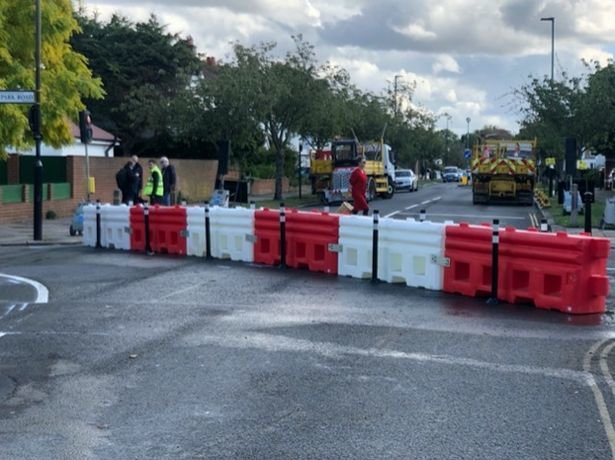
Freedom of Information requests relating to the diagonal road closure at the junction of Park Road and Staveley Road, show that the London Ambulance Service did not support physical barriers, which are now in place at the junction, due to the potential impact on emergency response times.
In correspondence seen by the Local Democracy Reporting Service in which Hounslow Council informed different stakeholders of the changes, an email from London Ambulance Service on August 28 responds: “We are unable to support schemes that involve hard closures like gates, bollards etc as our vehicles do not carry any form of GERDA or fire brigade keys.
“The reason for this are resources are not borough based and the nearest ambulance is dispatched to any call, meaning a crew for anywhere in London could be dispatched to a call in Hounslow Borough.
“We would always look for schemes to provide unhindered access to roads and where possible be enforced using camera or drive across type bollards.
“Any delay in response can be detrimental to patient care and safety.”
The road changes come amid plans to create a South Chiswick Liveable Neighbourhood, and a range of trial traffic-calming measures in response to the pandemic as part of the council’s Streetspace scheme.
They are designed to boost active travel such as walking and cycling in the area, as part of an initiative being trialled across many London boroughs with government funding.
Enforcement of the closures are a mixture of physical barriers and automatic number plate recognition (ANPR) cameras monitoring the roads with accompanying signage.
The schemes have sparked angry backlash from residents over “chaos at best” changes as a result of the measures, with opposition petitions receiving thousands of signatures.
The Park Road and Staveley Road barrier came into force from October.
A residents' group opposing the changes - the Park Road Neighbours - have been campaigning to get the barrier removed from their street.
They said: “The Park Road Neighbours Residents are furious that the London Ambulance Service objection to the diagonal barrier on 28 August was ignored.
“It is completely unacceptable for information from the emergency services to either be withheld or for the objection from the LAS to be dismissed without proper consideration.”
Transport cabinet member cllr Hanif Khan said the trials, which are temporary under Experimental Traffic Orders, remain open to consultation from the emergency services and that no further comments from them have been received by the council since the trial went live.
Cllr Khan added: “We are mindful of the responses issued by the emergency services following consultation, in particular their concern regarding “hard” closures and the impact these may have on response times.
“In response, we have sought to employ a mix of “hard” closures and camera-enforced closures in any given area to reduce that impact as far as practicable.
“We always try and give emergency services colleagues as long as possible to review the possible impact of schemes and in respect to this scheme they were notified several weeks before implementation…
“To give further reassurances, we will be undertaking independent interim and final reviews of all schemes. This was agreed at Cabinet last week.”
The reviews will decide whether the schemes will be made permanent, changed or scrapped, based on data such as traffic movements, air quality, business impact and views of residents.
Meanwhile, the residents' group have also expressed concerns about conflict of interest from key cabinet members involved in decision making on the schemes, due to associations with the London Cycling Campaign.
Communities cabinet member Katherine Dunne and highways lead Guy Lambert both declare they are members of the campaign group on the council’s register of interest.
Cllr Khan confirmed that the conflict of interest complaints were being investigated “via the procedures set out in Hounslow Council’s constitution”.