Key Facts of the UK–Mauritius Chagos Islands Sovereignty Agreement
The 2025 treaty returns sovereignty of the Indian Ocean archipelago to Mauritius while preserving defence arrangements for the United Kingdom and United States
The Chagos Islands archipelago in the central Indian Ocean has been at the centre of a protracted sovereignty dispute between the United Kingdom and Mauritius for decades.
The islands, which the UK administered as the British Indian Ocean Territory after detaching them from Mauritius in 1965, include the strategically vital island of Diego Garcia, home to a joint United States–United Kingdom military base that has supported operations across the Middle East, South Asia and East Africa.
International legal pressure, including advisory opinions from the International Court of Justice and resolutions from the United Nations General Assembly calling for the UK to end its colonial administration, propelled negotiations between London and Port Louis.
These talks culminated in a formal treaty signed on 22 May 2025, under which Mauritius will assume full sovereignty over the Chagos Archipelago, addressing longstanding decolonisation concerns.
The agreement provides that the UK — and by extension its American ally — will retain operational control of the Diego Garcia base under an initial 99-year lease, with optional extensions and a right of first refusal, securing continued defence and intelligence cooperation between the United Kingdom and the United States.
The UK will pay Mauritius for the lease arrangements, with annual payments estimated in the hundreds of millions of pounds, reflecting the strategic importance of Diego Garcia to Western military and security interests.
The treaty’s implementation also involves pending ratification processes and legislation to incorporate the agreement into UK domestic law.
The deal rekindled debate in Britain, with some national political figures expressing concern about the costs and geopolitical implications, while the British and Mauritian governments underscore its role in fulfilling international legal obligations and maintaining security partnerships.
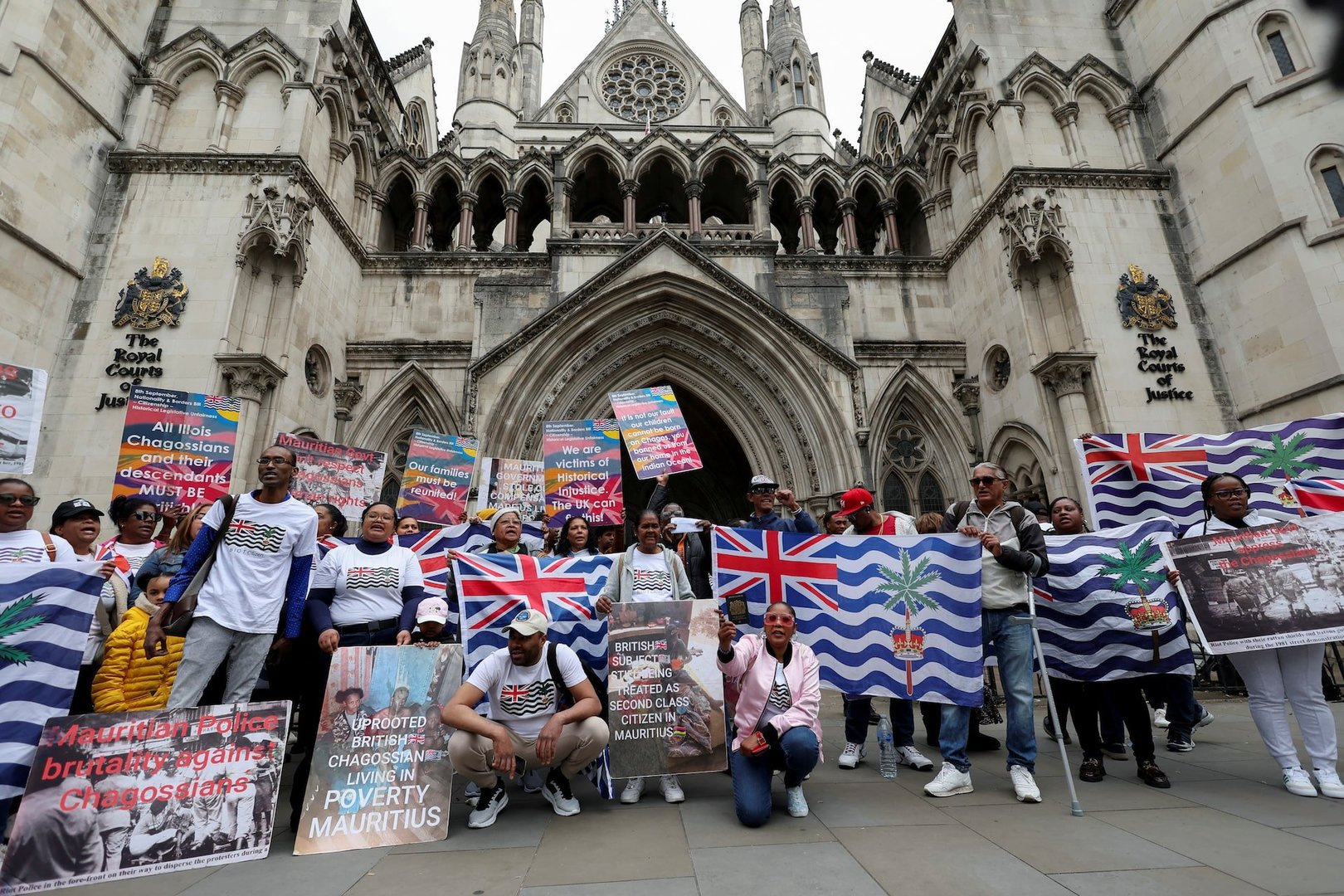
The Chagos archipelago’s displaced inhabitants, known as Chagossians, and their descendants — many now living in Mauritius, the United Kingdom and the Seychelles after forced removals in the late twentieth century — remain engaged in legal and human rights discussions about their right to return and resettlement, issues that persist alongside the sovereign transition.
The islands, which the UK administered as the British Indian Ocean Territory after detaching them from Mauritius in 1965, include the strategically vital island of Diego Garcia, home to a joint United States–United Kingdom military base that has supported operations across the Middle East, South Asia and East Africa.
International legal pressure, including advisory opinions from the International Court of Justice and resolutions from the United Nations General Assembly calling for the UK to end its colonial administration, propelled negotiations between London and Port Louis.
These talks culminated in a formal treaty signed on 22 May 2025, under which Mauritius will assume full sovereignty over the Chagos Archipelago, addressing longstanding decolonisation concerns.
The agreement provides that the UK — and by extension its American ally — will retain operational control of the Diego Garcia base under an initial 99-year lease, with optional extensions and a right of first refusal, securing continued defence and intelligence cooperation between the United Kingdom and the United States.
The UK will pay Mauritius for the lease arrangements, with annual payments estimated in the hundreds of millions of pounds, reflecting the strategic importance of Diego Garcia to Western military and security interests.
The treaty’s implementation also involves pending ratification processes and legislation to incorporate the agreement into UK domestic law.
The deal rekindled debate in Britain, with some national political figures expressing concern about the costs and geopolitical implications, while the British and Mauritian governments underscore its role in fulfilling international legal obligations and maintaining security partnerships.
The Chagos archipelago’s displaced inhabitants, known as Chagossians, and their descendants — many now living in Mauritius, the United Kingdom and the Seychelles after forced removals in the late twentieth century — remain engaged in legal and human rights discussions about their right to return and resettlement, issues that persist alongside the sovereign transition.