0:00
0:00
Iran May Be Laying Naval Mines in Strait of Hormuz, UK Warns Amid Escalating Gulf Tensions
British defence officials say intelligence suggests Iran has likely begun placing mines in the crucial oil shipping corridor as regional conflict intensifies
Iran has likely begun laying naval mines in the Strait of Hormuz, according to assessments shared by British defence officials, raising alarm over the security of one of the world’s most important maritime energy routes.
The warning comes as the conflict involving Iran, the United States and Israel continues to escalate across the Middle East.
British officials indicated that intelligence assessments suggest Iranian forces may have started placing mines in the strategic waterway that connects the Persian Gulf to global shipping lanes.
The Strait of Hormuz is a narrow maritime corridor through which roughly one-fifth of the world’s oil exports pass each day.
Any disruption to shipping in the strait can have immediate global economic consequences, affecting energy supply chains and pushing oil prices higher.
Security officials believe Iran may be deploying mines using small fast boats capable of carrying only a few mines at a time.
Intelligence estimates indicate that only a limited number may have been placed so far, but analysts warn that Iran retains a large fleet of vessels capable of deploying hundreds more if the confrontation expands.
Over the years, assessments have suggested Iran could possess thousands of naval mines sourced domestically or from foreign suppliers.
Western military planners view naval mines as one of Iran’s most effective asymmetric tools for disrupting shipping.
Even a small number of mines can force vessels to halt or reroute while naval forces conduct lengthy and complex mine-clearing operations.
The potential mining operation has already triggered a military response.
United States forces have struck multiple vessels suspected of supporting mine-laying activities in the Gulf, part of an effort to prevent further attempts to block the vital shipping corridor.
President Donald Trump has issued strong warnings that any confirmed effort to close the strait would bring decisive consequences.
He emphasized that the United States would act forcefully to ensure the continued flow of global energy supplies and protect international maritime traffic.
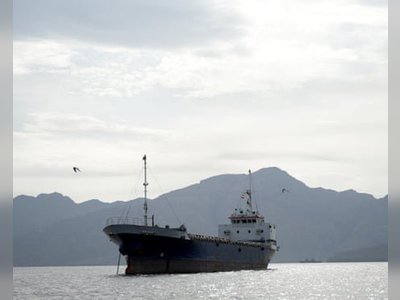
Meanwhile, maritime traffic in the area has slowed significantly as shipping companies, insurers and tanker operators weigh the rising security risks.
Several vessels have been targeted in the wider region during the ongoing confrontation, reinforcing concerns that the waterway could become a focal point of the conflict.
The situation in the Strait of Hormuz now represents one of the most critical flashpoints in the broader Middle East crisis.
With military forces from multiple nations operating in the region and energy markets closely monitoring developments, the security of the narrow passageway remains a central concern for global trade and geopolitical stability.
The warning comes as the conflict involving Iran, the United States and Israel continues to escalate across the Middle East.
British officials indicated that intelligence assessments suggest Iranian forces may have started placing mines in the strategic waterway that connects the Persian Gulf to global shipping lanes.
The Strait of Hormuz is a narrow maritime corridor through which roughly one-fifth of the world’s oil exports pass each day.
Any disruption to shipping in the strait can have immediate global economic consequences, affecting energy supply chains and pushing oil prices higher.
Security officials believe Iran may be deploying mines using small fast boats capable of carrying only a few mines at a time.
Intelligence estimates indicate that only a limited number may have been placed so far, but analysts warn that Iran retains a large fleet of vessels capable of deploying hundreds more if the confrontation expands.
Over the years, assessments have suggested Iran could possess thousands of naval mines sourced domestically or from foreign suppliers.
Western military planners view naval mines as one of Iran’s most effective asymmetric tools for disrupting shipping.
Even a small number of mines can force vessels to halt or reroute while naval forces conduct lengthy and complex mine-clearing operations.
The potential mining operation has already triggered a military response.
United States forces have struck multiple vessels suspected of supporting mine-laying activities in the Gulf, part of an effort to prevent further attempts to block the vital shipping corridor.
President Donald Trump has issued strong warnings that any confirmed effort to close the strait would bring decisive consequences.
He emphasized that the United States would act forcefully to ensure the continued flow of global energy supplies and protect international maritime traffic.
Meanwhile, maritime traffic in the area has slowed significantly as shipping companies, insurers and tanker operators weigh the rising security risks.
Several vessels have been targeted in the wider region during the ongoing confrontation, reinforcing concerns that the waterway could become a focal point of the conflict.
The situation in the Strait of Hormuz now represents one of the most critical flashpoints in the broader Middle East crisis.
With military forces from multiple nations operating in the region and energy markets closely monitoring developments, the security of the narrow passageway remains a central concern for global trade and geopolitical stability.