

HSBC boss defends decision to freeze accounts of fugitive ex-lawmaker Ted Hui
HSBC is fully committed to its businesses in Hong Kong and helping residents “recover from challenges” despite being caught up in recent political rows, its boss has told British lawmakers, while dismissing suggestions the banking giant should pull out of the city in the wake of the national security law.
At a meeting of the British parliament’s Foreign Affairs Committee on Tuesday afternoon, CEO Noel Quinn defended HSBC’s earlier controversial move to freeze the account of fugitive former opposition lawmaker Ted Hui Chi-fung and his family members, insisting the bank was legally obliged to take action after being notified by Hong Kong police.
“We do not make freezing decisions based on political affiliation or activity,” Quinn said in his opening remarks. “It’s because we are obliged to, under request of police authorities, as they undertake their investigations.”
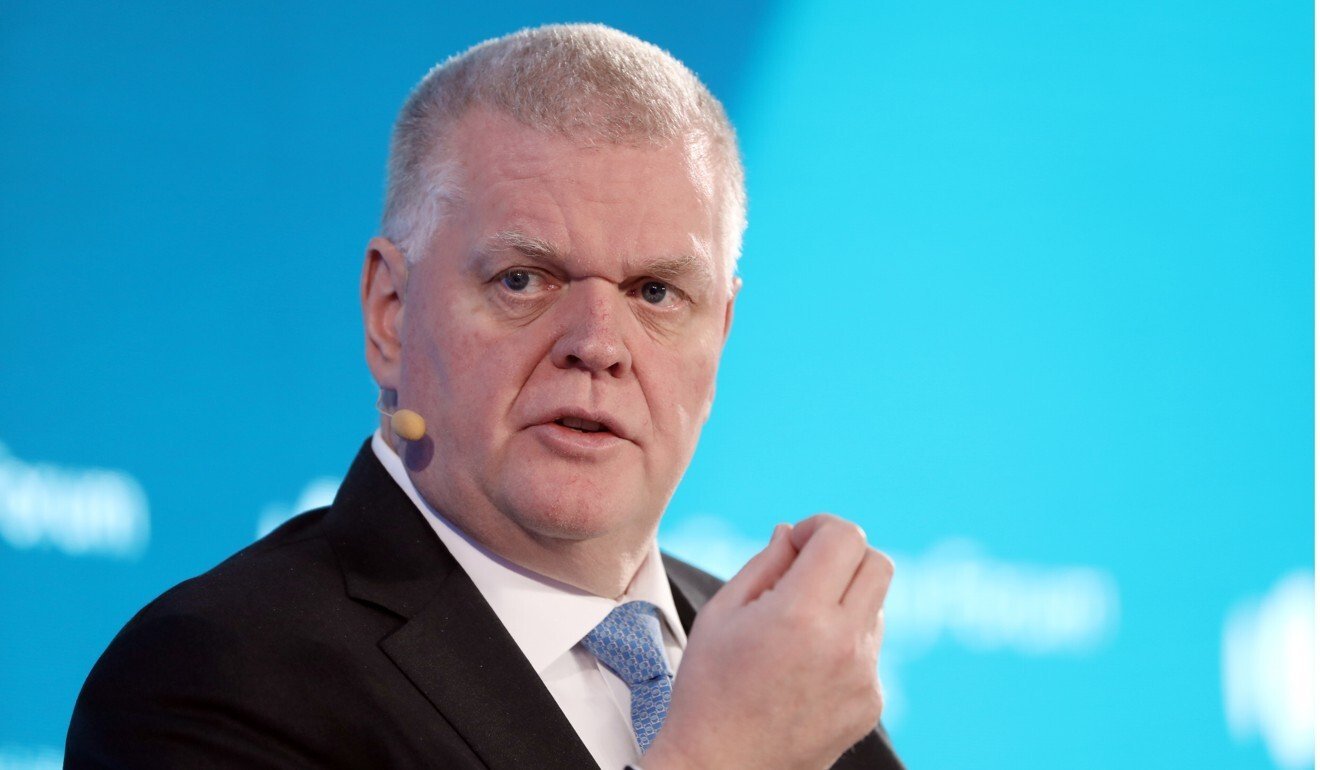
Quinn emphasised that the London-based bank had only been in dialogue with local police and no other Chinese authorities, and that HSBC would be committing a criminal offence if it did not follow the order, which could put the institution and its customers at risk.
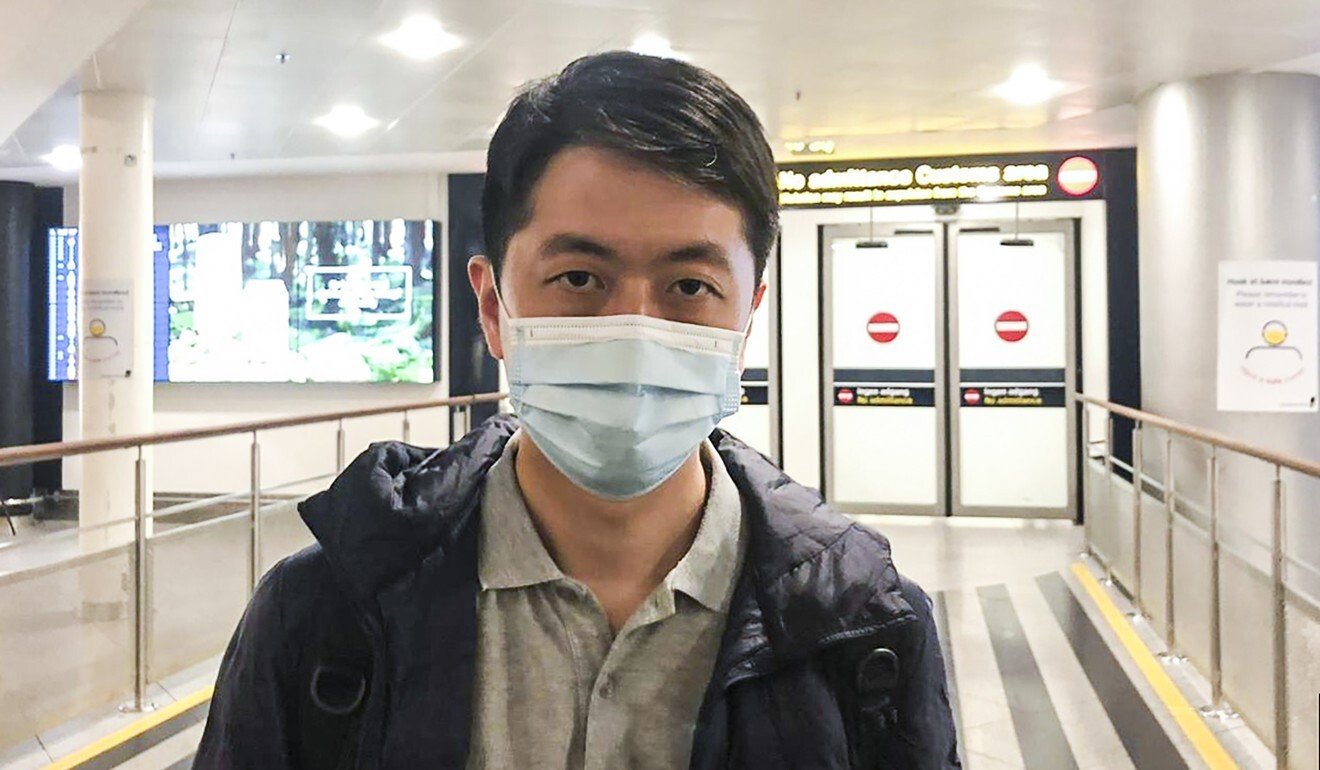
The committee meeting was sparked by a row early last month in which Hui reported that his and his family members’ accounts at three banks – including HSBC – had been frozen after he fled the city while out on bail awaiting trial on charges tied to the 2019 anti-government protests and his actions in the legislature.
Hui, who is now in Britain after fleeing in November, had urged the British government to impose sanctions on the bank, after he provided evidence related to his frozen HSBC accounts to parliament on Saturday before committee members questioned HSBC bosses over the matter.
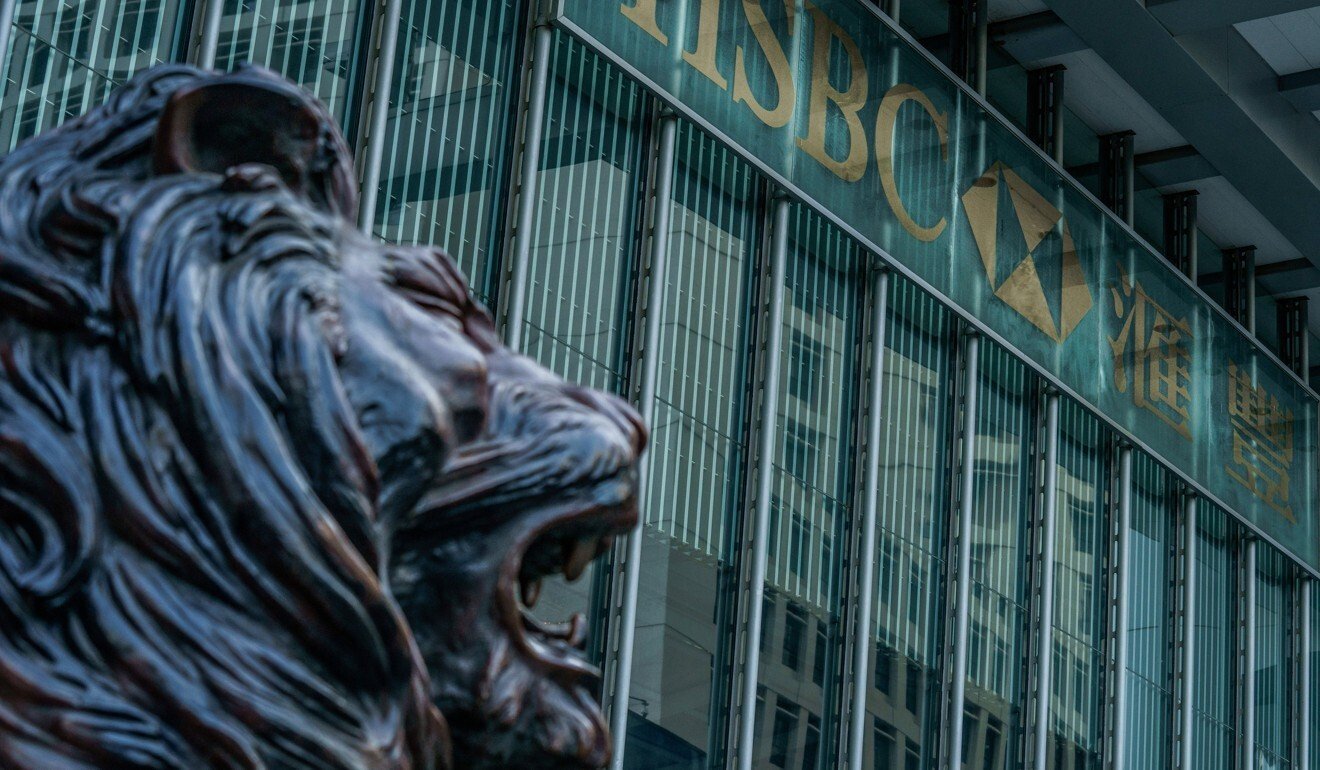
HSBC, which counts Hong Kong as its largest market, has come under attack from critics at home and abroad who accuse it of kowtowing to Beijing.
At Tuesday’s meeting, Labour Party member of parliament Graham Stringer asked if HSBC had ever considered withdrawing from the city.
“Is there any point at which what is happening in a country where you are carrying out your banking activities is so awful and distasteful that you will consider withdrawing your business or taking some other actions?” he asked.
Quinn replied that the bank had never considered moving out of Hong Kong, which it had served for more than 150 years, despite the new geopolitical challenges.
He insisted it would be of no benefit to walk away from Hong Kong.
“I am not in Hong Kong purely because of the profit,” Quinn said. “It’s not a matter for me whether I chose China over the UK or China over another political system. My motive is 100 per cent about helping people in Hong Kong recover from the challenges they face and I have to work within the legal framework I’m given in Hong Kong.”
But he admitted the city’s legal structure was “changing”, and that the bank had no choice but to comply with the national security law, imposed by Beijing on June 30 last year.
He also acknowledged there would be conflicts between the laws of different countries, posing challenges for the bank, which had to carry out its own legal analysis and oblige appropriately and carefully.
Some committee members also questioned the motives of Peter Wong Tung-shun, the bank’s deputy chairman and Asia-Pacific chief executive, in signing a petition in support of Beijing’s decision to legislate the law, which bans secession, subversion, terrorism and collusion with a foreign country or external elements to endanger national security.
“Peter was not advocating for a particular party or policy,” Quinn said. “It was not a political statement on his behalf, it was a statement that he was asking for the security situation in Hong Kong to be addressed, after experiencing 18 months of progressive decline that accumulated in an extended period of riots and violence.”
He added Wong was among many other business leaders, as well as 2.9 million residents who signed the petition, saying the drive only aimed to seek resolution to the security concerns in Hong Kong. The pro-establishment camp said nearly 3 million people signed the petition last June.
Quinn also stood by the bank’s decision to issue a statement last year in support of the new law, saying it only hoped the security situation in Hong Kong would be stabilised.
He also refrained from commenting on Hong Kong’s political situation, repeatedly claiming he was not a politician but someone who “served customers”.
Apart from Hui, Good Neighbour North District Church, which had volunteers who offered help to protesters, also accused HSBC of freezing the accounts of its now ex-pastor and his wife.
This was not the first time that accounts linked to the protest movement were frozen. In 2019, the banking giant faced a backlash for closing a corporate account used to raise funds for Spark Alliance HK to support protest-related activities, months after the anti-government unrest started.
Hong Kong protesters also called for a boycott of the bank after it issued a statement last summer supporting the enactment of the national security law, which granted new powers to police to request institutions hand over sensitive data during investigations.
Last month, Secretary for Security John Lee Ka-chiu defended the police’s order to freeze Hui’s bank account, which the force alleged was connected to a money-laundering case involving an “absconding Hongkonger” accused of misappropriating money from a crowdfunding campaign.
Hui had earlier insisted all the money he raised online for a planned private prosecution of police officers had been saved in his law firm’s bank account.
Earlier this month, Quinn wrote to Hui personally to explain why HSBC froze his and his family’s credit cards and bank accounts in December, saying it had no choice but to do so at the behest of Hong Kong police. Hui dismissed the explanation as irresponsible.