NATO and UK Reject Putin’s “War With Europe” Warning as Dangerous Rhetoric
Alliance vows to defend Europe after Russian threats; London labels Kremlin claims ‘claptrap’
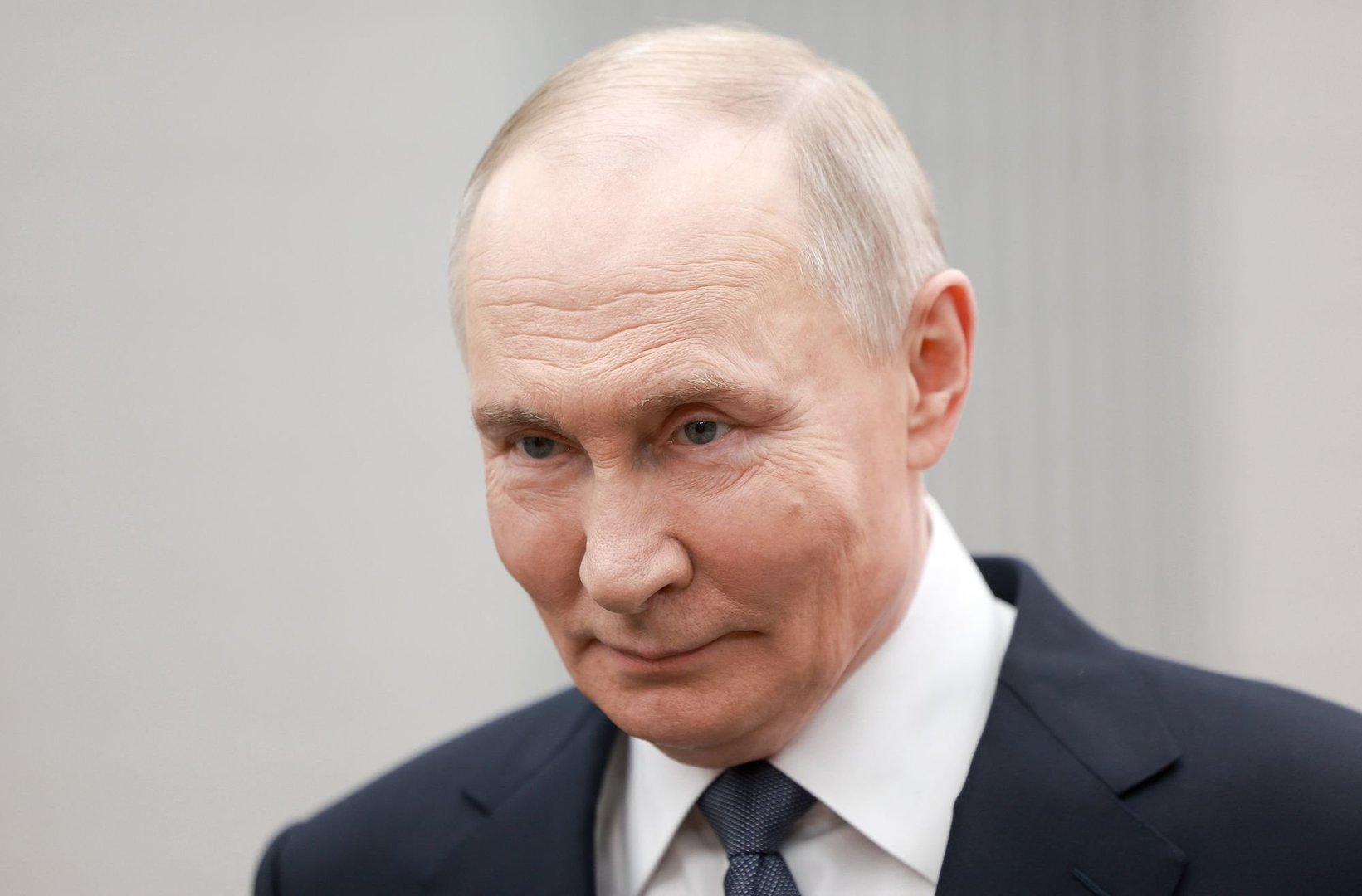
Following a stark warning from Russian President Vladimir Putin that Moscow stands ready for war should Europe strike first, the alliance and the responded forcefully to reject the threats.
Alliance leadership affirmed that NATO will “do what it takes” to protect its members.
UK ministers described Putin’s language as “yet more Kremlin claptrap” aimed at intimidation, emphasizing that Western nations remain united behind support for and collective defence.
:contentReference[oaicite:3]{index=3}
At a December 3 foreign-ministers’ meeting in Brussels, NATO Secretary-General underscored that the alliance remains vigilant amid what he termed “real and lasting dangers” from Russia’s hybrid campaign.
He urged member states to sustain — and increase — military support for Ukraine through initiatives such as the Prioritized Ukraine Requirement List, underlining that deterrence must match the scale of the threat.
:contentReference[oaicite:5]{index=5}
In London, a spokesperson for the government dismissed Putin’s declaration as baseless rhetoric, saying it was “as dangerous as it is wrong” and reaffirmed that UK armed forces remain on standby to defend national and allied territory if required.
Officials noted that European unity over Ukraine’s sovereignty remains strong, and that support will not waver in the face of propaganda.
:contentReference[oaicite:6]{index=6}
The developments follow a surge in aggressive acts attributed to Moscow, including drone incursions, railway sabotage linked to military supply lines, and widespread deployment of electronic and information-warfare tactics.
NATO officials warn that these actions display a broader strategy by Moscow to destabilise the Euro-Atlantic region through coercion and hybrid warfare.
:contentReference[oaicite:7]{index=7}
European capitals now confront a sharpened strategic reality: deterrence is no longer solely about capacity — it must involve readiness, cohesion among allies and a clear political signal that aggression will not be tolerated.
As France’s foreign minister put it earlier this week, Europe faces “a tipping point” — a moment that will define whether Russian intimidation succeeds or fails.
The stance taken by NATO and the UK aims to leave no doubt where the alliance stands.
Alliance leadership affirmed that NATO will “do what it takes” to protect its members.
UK ministers described Putin’s language as “yet more Kremlin claptrap” aimed at intimidation, emphasizing that Western nations remain united behind support for and collective defence.
:contentReference[oaicite:3]{index=3}
At a December 3 foreign-ministers’ meeting in Brussels, NATO Secretary-General underscored that the alliance remains vigilant amid what he termed “real and lasting dangers” from Russia’s hybrid campaign.
He urged member states to sustain — and increase — military support for Ukraine through initiatives such as the Prioritized Ukraine Requirement List, underlining that deterrence must match the scale of the threat.
:contentReference[oaicite:5]{index=5}
In London, a spokesperson for the government dismissed Putin’s declaration as baseless rhetoric, saying it was “as dangerous as it is wrong” and reaffirmed that UK armed forces remain on standby to defend national and allied territory if required.
Officials noted that European unity over Ukraine’s sovereignty remains strong, and that support will not waver in the face of propaganda.
:contentReference[oaicite:6]{index=6}
The developments follow a surge in aggressive acts attributed to Moscow, including drone incursions, railway sabotage linked to military supply lines, and widespread deployment of electronic and information-warfare tactics.
NATO officials warn that these actions display a broader strategy by Moscow to destabilise the Euro-Atlantic region through coercion and hybrid warfare.
:contentReference[oaicite:7]{index=7}
European capitals now confront a sharpened strategic reality: deterrence is no longer solely about capacity — it must involve readiness, cohesion among allies and a clear political signal that aggression will not be tolerated.
As France’s foreign minister put it earlier this week, Europe faces “a tipping point” — a moment that will define whether Russian intimidation succeeds or fails.
The stance taken by NATO and the UK aims to leave no doubt where the alliance stands.