

How to get more deep sleep every night - and why it's important
However, life frequently gets in the way and work, stress and unpredictable schedules can stop us from getting our recommended eight hours.
And it isn’t only the amount of sleep we get that we need to think about – it’s also the quality of that sleep. Our sleep state fluctuates through the night as we drift between light and deeper sleeps, states where we dream, and states where we are at our calmest.
Deep sleep is arguably the most important of these sleep states, but far too many of us aren’t getting enough of it every night.
To improve the quality of your sleep and ensure your slumber is a restful as possible, you first have to understand how the different sleep stages work – and why we need them.
What is deep sleep?
‘Deep sleep, sometimes referred to as slow-wave sleep, is the third stage of the sleep cycle,’ says Steve Adams, CEO at Mattress Online. He explains that deep sleep happens after the initial drowsiness of stage one and the light sleep of stage two.
Experts say sleep is divided into two categories: REM and non-REM sleep. You start the night in non-REM sleep followed by a brief period of REM sleep. The cycle continues throughout the night about every 90 minutes.
Deep sleep typically occurs in the final stage of non-REM sleep.
‘With deep sleep, your body is in a much more relaxed state than what it is during light sleep,’ Steve tells Metro.co.uk.
‘Light sleep is essentially your body preparing for deep sleep; your body’s systems slow, your core temperature drops, eye movements stop and your brain waves begin to slow, although bursts of activity are present.’
In deep sleep, Steve explains that your heartbeat, breathing and brain activity is at its slowest.
‘You’re less likely to wake up as a result of loud noises or disturbances,’ he adds.
‘Being woken up during a deep sleep can also cause you take longer to feel “awake” than if your alarm wakes you during the lighter stage of sleep.’
This is why it can be beneficial to try to track your sleep cycles to ensure your alarm is set for a light sleep phase, which may make your mornings less groggy.
It is thought that the first stage of deep sleep lasts anywhere from 45 to 90 minutes. It lasts for longer periods in the first half of the night and gets shorter with each sleep cycle.
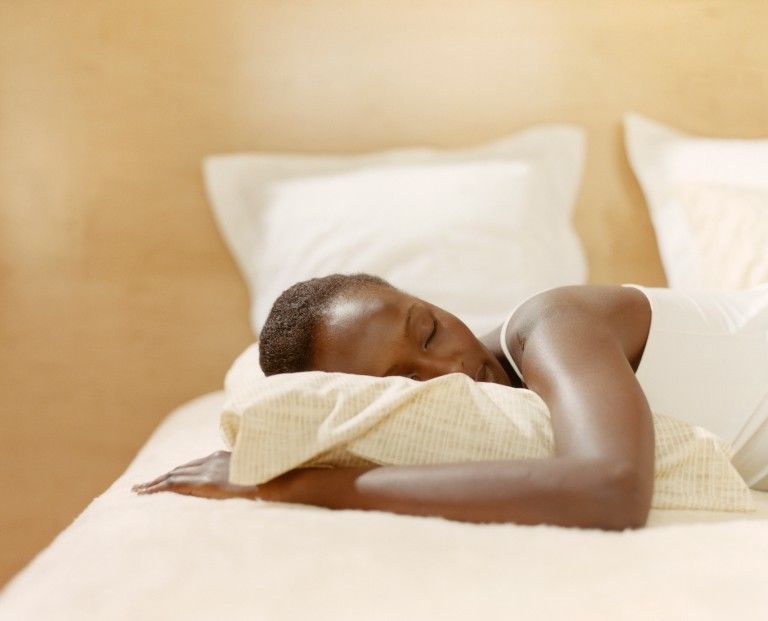 Deep sleep can boost the immune system, improve memory and even flush out brain waste
What are the benefits of getting more deep sleep?
Deep sleep offers many benefits for our overall health. From giving your brain a break from firing at such an intense speed, to helping to organise your memories, and even flushing waste from your brain.
‘During deep sleep, the glucose metabolism in the brain increases, which can improve our memory and learning ability,’ Steve says.
‘In addition, deep sleep supports:
* Growth and development of the body
* Cell regeneration
* Energy restoration
* Repairing tissues and bones
* The immune system.’
How can you get more deep sleep?
The average amount of deep sleep a person gets per night is approximately two hours per recommended eight hours of sleep.
‘Generally speaking though, your body determines how much deep sleep you get based on your needs,’ says Steve. ‘However, as we age, we spend less time in deep sleep and more time in the light sleep stage.’
Steve suggests that the following changes could help you get more deep sleep each night:
* Taking a hot bath before bed; heat is believed to promote increased levels of deep sleep.
* Exercise for between 20-30 minutes each day.
* Set yourself a regular sleep and wake up time each day.
* Avoid caffeinated and alcoholic drinks before bed.
* Create a serene sleep environment free from screens and distractions.
* Ensure you have a properly dark room to sleep in as streetlights or any external lights outside can impact sleep quality.
Ultimately, it all comes down to maintaining good sleep hygiene. Most of the above tips are common sense good practice, but there are some more out-of-the-box techniques you can try too.
‘Put your legs up against the wall before bed,’ suggests Jessica Sepel, clinical nutritionist.
‘Lie on your back, with your legs up against the wall and breathe deeply, for just 10-15 minutes before bed.
‘This maneuver helps to soothe the nervous system and is used for reducing stress in the lower half of the body in adults before bedtime.’
Another suggestion is taking a supplement and vitamin blend.
‘Try a PM+ or Mood+ Emotional Balance,’ says Jessica.
‘The PM+ formula contains a special blend of herbs and minerals designed to relax the body. Lavender and Passionflower help to reduce disturbed and restless sleep, and soothe and calm the nerves and the mind.
‘They also relieve tension and unrest. Magnesium supports muscle relaxation, muscle function, healthy muscle contraction function, healthy neuromuscular system and function, nervous system health and nervous system function.’