London Daily

Focus on the big picture.
Thursday, May 14, 2026

Hong Kong researchers develop test that detects Alzheimer’s in 2 days

Hong Kong researchers develop test that detects Alzheimer’s in 2 days

Hong Kong University of Science and Technology experts say they have come up with a simple, non-invasive and accurate diagnostic solution for Alzheimer’s disease.

Researchers at Hong Kong University of Science and Technology have developed a blood test that can detect Alzheimer’s disease in as little as two days with more than 96 per cent accuracy, allowing early detection and screening of dementia for the first time.

Led by world-renowned neuroscientist Professor Nancy Ip Yuk-yu, vice-president for research and development at the university, the team developed an ultra-sensitive detection method with which it identifies 19 out of the 429 plasma proteins associated with Alzheimer’s disease (AD).

“With the advancement of ultra-sensitive blood-based protein detection technology, we have developed a simple, non-invasive and accurate diagnostic solution for AD, which will greatly facilitate population-scale screening and staging of the disease,” Ip said on Monday.
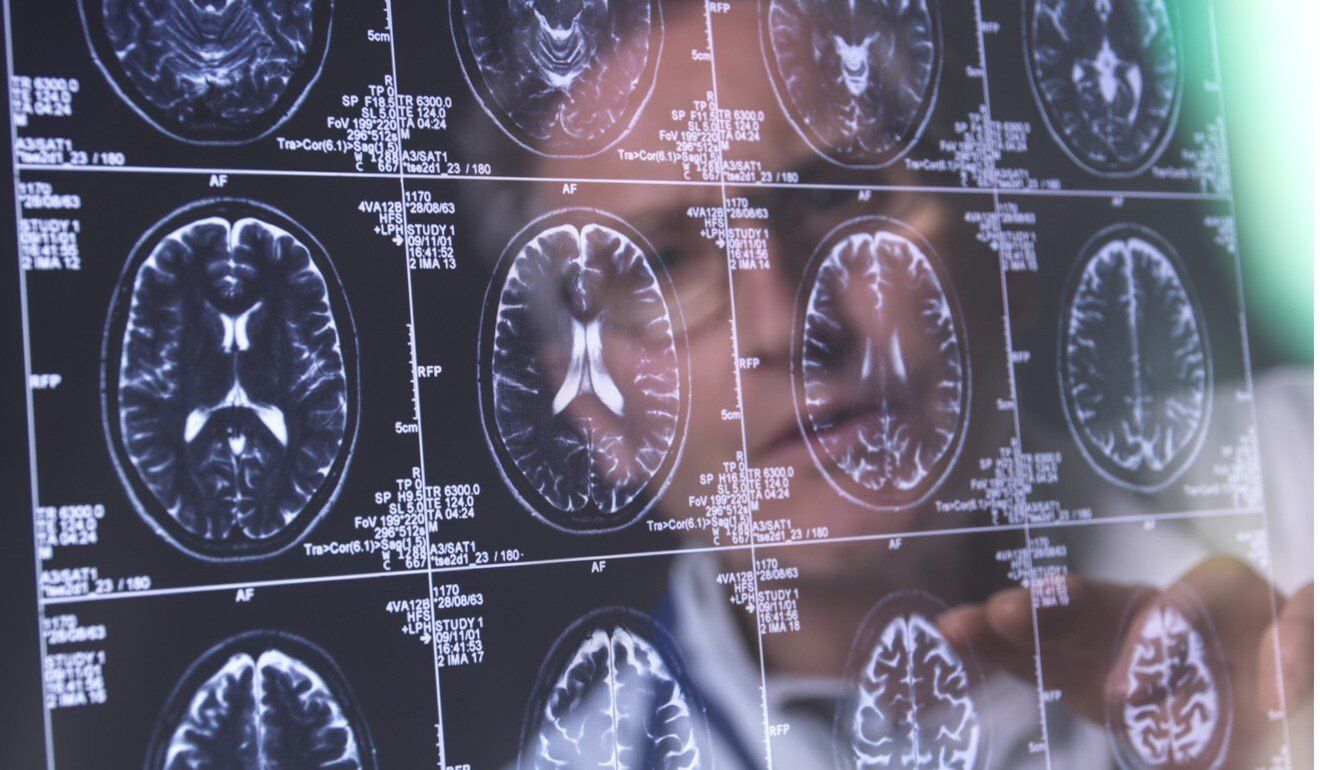
Brain imaging is commonly used to identify the disease.


Professor Amy Fu Kit-yu, a core member of Ip’s team, explained: “After identifying the relevant plasma proteins, we can then find the ‘AD signature’ in the blood.

“With this, we can distinguish AD patients from healthy people with more than 96 per cent accuracy. This system can also help us differentiate among the early, intermediate and late stages of the disease.”

While the test was not a cure for the disease, Fu said, early detection would allow early management and closer monitoring to slow the rate of deterioration. “We hope this may also pave the way for novel therapeutic treatments for the disease.”

Currently, doctors mainly rely on cognitive tests to diagnose Alzheimer’s disease in a patient. Besides clinical assessment, brain imaging and lumbar puncture are the two commonly used procedures to detect changes in the brain caused by the disease.

Fu said the cost of the blood test was not known at this stage but it could be as low as several hundred dollars, while current assessments could come with a price tag of more than HK$10,000 (US$1,282).

“Compared to a blood test, those methods are invasive and rather expensive,” Fu said. “We just need one drop of your blood and the results can be expected in two days.”

She added: “Usually patients only go to see doctors and are diagnosed when they have memory problems. But AD affects the brain at least 10 years before symptoms appear.”

The work was conducted in collaboration with researchers at University College London and local clinicians at Prince of Wales and Queen Elizabeth hospitals, among others.

As the most comprehensive study of blood proteins in AD patients to date, the work has been published in Alzheimer’s & Dementia: The Journal of the Alzheimer’s Association, and also featured on various scholarly platforms.

According to the Department of Health, Alzheimer’s disease is the most common cause of dementia. It is commonly regarded as an age-related disease. In Hong Kong, 5 to 8 per cent of those aged 65 or above reportedly could suffer from the disease, and up to 30 per cent of those aged 80 or over.

With an ageing population, Hong Kong could have an estimated 280,000 Alzheimer’s patients by 2036.

Dementia is a brain disease that causes deterioration not only in patients’ memory, judgment and the ability to perform daily activities, but also their emotions and behaviour. Early signs, such as recent memory loss, difficulty in completing familiar tasks, misplacing things, are easily overlooked due to the gradual onset.

The disease affects more than 50 million people worldwide.

Among the well-known figures to have suffered from Alzheimer’s disease were the late “father of fibre optics” Professor Charles Kao Kuen, late US president Ronald Reagan, and late British prime minister Margaret Thatcher.

Newsletter

Related Articles

0:00
0:00
Close
The Great Western Exit: Why Best Citizens Are Fleeing the Rich World [PODCAST]
The New Robber Barons of Intelligence: Are AI Bosses More Powerful Than Rockefeller?
The End of the Old Order [Podcast]
Britain’s Democracy Is Now a Costume
The AI Gold Rush Is Coming for America’s Last Open Spaces [Podcast]
The Pentagon’s AI Squeeze: Eight Tech Giants Get In, Anthropic Gets Shut Out [Podcast]
The War Map: Professor Jiang’s Dark Theory of Iran, Trump, China, Russia, Israel, and the Coming Global Shock [Podcast]
Labour Is No Longer a National Party [Podcast]
AI Isn’t Stealing Your Job. It’s Dismantling It Piece by Piece.
Lawyers vs Engineers: Why China Builds While America Litigates [Podcast]
Churchill’s Glass: The Drunk, the Doctor, and the Myth Britain Refuses to Sober Up From
Apple issues an unusual warning: this is how your iPhone can be hacked without you doing anything
Kennedy’s Quiet War on Antidepressants Sparks Alarm Across America’s Medical Establishment
The Met Gala Meets the Age of Billionaire Backlash
Russian Oligarch’s Superyacht Crosses Hormuz via Iran-Controlled Route
Gunfire Disrupts White House Correspondents’ Dinner as Trump Is Evacuated
A Leak, a King, and a Fracturing Alliance
Inside the Gates Foundation Turmoil: Layoffs, Scrutiny, and the Cost of Reputational Risk
UK Biobank Breach Exposes Health Data of 500,000, Listed for Sale on Chinese Platform
KPMG Cuts Around 10% of US Audit Partners After Failed Exit Push
French Police Probe Suspected Weather-Data Tampering After Unusual Polymarket Bets on Paris Temperatures
CATL Unveils Revolutionary EV Battery Tech: 1000 km Range and 7-Minute Charging Ahead of Beijing Auto Show
Crypto Scammers Capitalize on Maritime Chaos Near the Strait of Hormuz: A Rising Threat to Shipping Companies
Changi Airport: How Singapore Engineered the World’s Most Efficient Travel Experience
Power Dynamics: Apple’s Leadership Shakeup, Geopolitical Risks in the Strait of Hormuz, and Europe's Energy Strategy Amidst Global Challenges
Apple's Leadership Transition: Can New CEO John Ternus Navigate AI Challenges and Geopolitical Pressures?
Italy’s €100K Tax Gambit: Europe’s Soft Power Tax Haven
News Roundup
Microsoft lost 2.5 millions users (French government) to Linux
Privacy Problems in Microsoft Windows OS
News roundup
Péter András Magyar and the Strategic Reset of Hungary
Hungary After the Landslide — A Strategic Reset in Europe
Meghan Markle Plans Exclusive Women-Focused Retreat During Australia Visit
Starmer and Trump Hold Strategic Talks on Securing Strait of Hormuz Amid Rising Tensions
Unofficial Australia Visit by Prince Harry and Meghan Expected to Stir Tensions with Royal Circles
Pipeline Attack Cuts Significant Share of Saudi Arabia’s Oil Export Capacity
UK Stocks Rise on Ceasefire Momentum and Renewed Focus on Diplomacy
UK to Hold Further Strategic Talks on Strait of Hormuz Security
Starmer Voices Frustration as Global Tensions Drive Up UK Energy Costs
UK Students Voice Concern Over Proposal for Automatic Military Draft Registration
Rising Volatility Drives Uncertainty in UK Fuel and Petrol Prices
UK Moves to Deploy ‘Skyhammer’ Anti-Drone System to Strengthen Airspace Defense
New Analysis Explores UK Budget Mechanics in ‘Behind the Blue’ Feature
Man Arrested After Four Die in Channel Crossing Tragedy
UK Tightens Immigration Framework with New Sponsor Rules and Fee Increases
UK Foreign Secretary Highlights Impact of Intensified Strikes in Lebanon
UK Urges Inclusion of Lebanon in US-Iran Ceasefire Framework
UK Stocks Ease as Ceasefire Doubts in Middle East Weigh on Investor Confidence
UK Reassesses Cloud Strategy Amid Criticism Over Limited Support Measures
×