Harvard President Alan Garber Says Faculty Activism Has Undermined Classroom Neutrality and Chilled Open Debate
In unusually direct remarks, Garber argued that professors’ personal advocacy in teaching can deter students from disagreeing and is pushing the university back toward evidence-led instruction.
Harvard President Alan M. Garber said the university “went wrong” by allowing professors to inject personal political and ideological views into classroom teaching, arguing that the practice has chilled student speech and weakened the culture of debate.
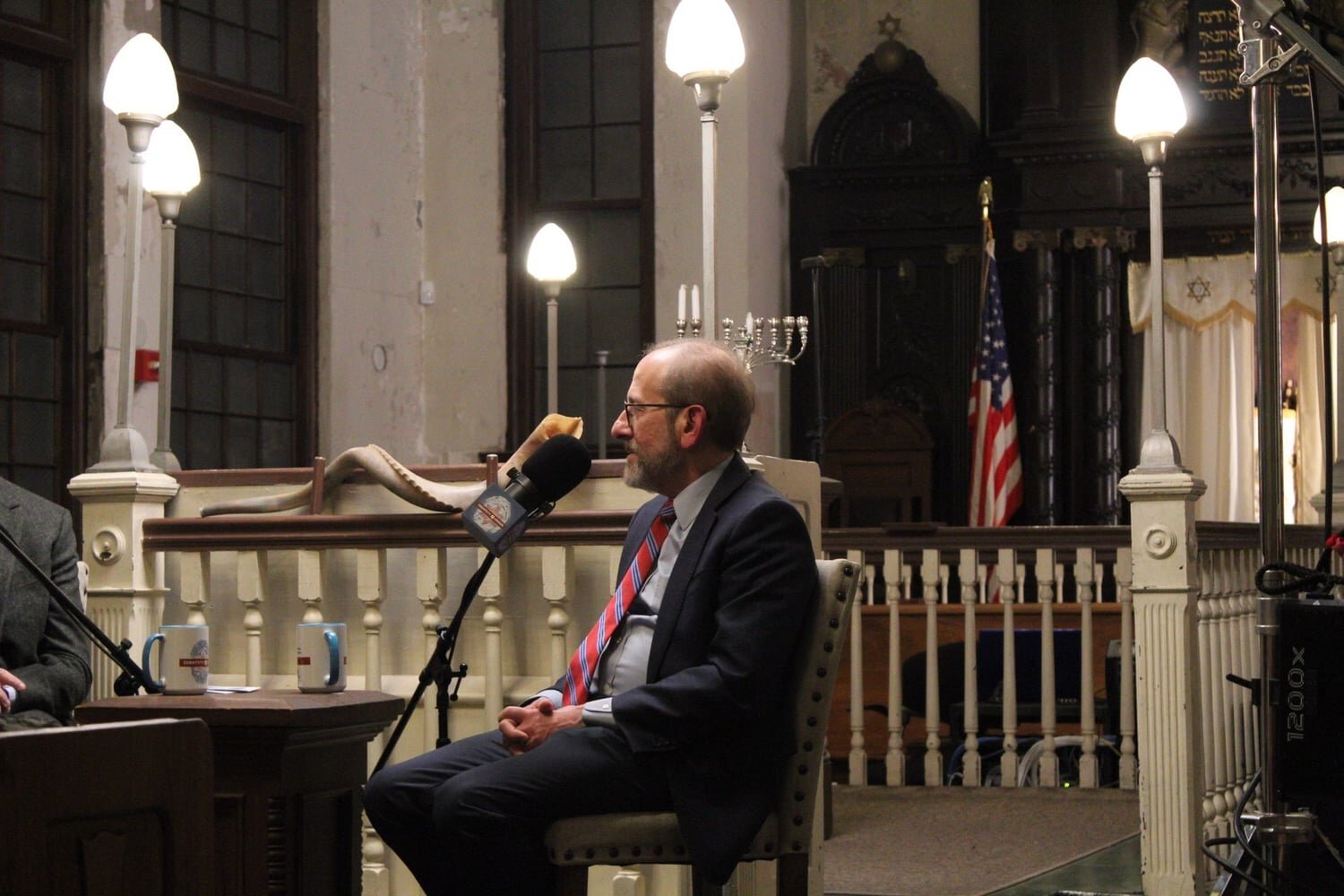
Speaking in a recorded conversation taped in mid-December and released in early January, Garber described a dynamic in which students may hesitate to challenge an instructor who has already signaled firm positions on controversial issues.
He framed the problem not as whether faculty may hold strong views, but as how those views can shape the learning environment when presented as part of instruction rather than as material for rigorous examination.
Garber’s remarks align with Harvard’s broader move toward institutional restraint on public pronouncements, following the adoption of an institutional voice approach that limits official statements to matters tied to the university’s core academic functions.
While that policy focuses on the institution’s public posture, Garber emphasized that neutrality and methodological rigor matter most inside the classroom.
He connected classroom advocacy to the polarization that has gripped campuses since the October seventh, two thousand twenty-three attacks in Israel, arguing that when instructors foreground personal identity or political commitments in teaching, the perceived space for disagreement narrows, even if formal rules allow debate.
Garber said he is seeing movement toward restoring balance in teaching and renewing expectations of objectivity, describing an academic culture in which arguments are expected to be logical, grounded in evidence, and approached with intellectual rigor rather than activism.
He also defended clearer speech and protest rules as a necessary part of protecting both free expression and the functioning of daily campus life.
The remarks represent one of Garber’s clearest public signals that Harvard intends to tighten the boundary between scholarship and advocacy in instruction, with the stated aim of making it easier for students to disagree without fear of social or academic penalty.
The direction of travel is toward a more neutral classroom, where ideas are tested by evidence rather than authority.
Speaking in a recorded conversation taped in mid-December and released in early January, Garber described a dynamic in which students may hesitate to challenge an instructor who has already signaled firm positions on controversial issues.
He framed the problem not as whether faculty may hold strong views, but as how those views can shape the learning environment when presented as part of instruction rather than as material for rigorous examination.
Garber’s remarks align with Harvard’s broader move toward institutional restraint on public pronouncements, following the adoption of an institutional voice approach that limits official statements to matters tied to the university’s core academic functions.
While that policy focuses on the institution’s public posture, Garber emphasized that neutrality and methodological rigor matter most inside the classroom.
He connected classroom advocacy to the polarization that has gripped campuses since the October seventh, two thousand twenty-three attacks in Israel, arguing that when instructors foreground personal identity or political commitments in teaching, the perceived space for disagreement narrows, even if formal rules allow debate.
Garber said he is seeing movement toward restoring balance in teaching and renewing expectations of objectivity, describing an academic culture in which arguments are expected to be logical, grounded in evidence, and approached with intellectual rigor rather than activism.
He also defended clearer speech and protest rules as a necessary part of protecting both free expression and the functioning of daily campus life.
The remarks represent one of Garber’s clearest public signals that Harvard intends to tighten the boundary between scholarship and advocacy in instruction, with the stated aim of making it easier for students to disagree without fear of social or academic penalty.
The direction of travel is toward a more neutral classroom, where ideas are tested by evidence rather than authority.