

Calories now appear on menus in large restaurant chains
Restaurants, cafes and takeaways with more than 250 staff must print how many calories are in meals on their menus, websites, and on delivery platforms.
The new rule is part of government plans to tackle obesity by helping people to make healthier choices.
Some restaurants fear it will increase their costs, while an eating disorder charity says it could contribute to harmful thoughts and behaviours.
What's new?
Under the new rules, large food and drink businesses in England with 250 or more employees must display the calorie information of non-prepacked food and soft drinks.
Some High Street chains already publish information about the calorie content of their food on their menus, such as Wetherspoons pubs and The Real Greek restaurants. McDonald's has been doing it for more than a decade.
Mark Selby, co-founder Mexican-style street food restaurant Wahaca, told the BBC the chain was "completely up for being clear and transparent" to customers on food and drink information. But he said the focus on counting calories was a problem.
"It tells part of the story but I think it slightly misses out some quite important fundamentals around food - be it nutrition, fibre, all those things - which potentially we feel might be more relevant or certainly need to be considered," he said.
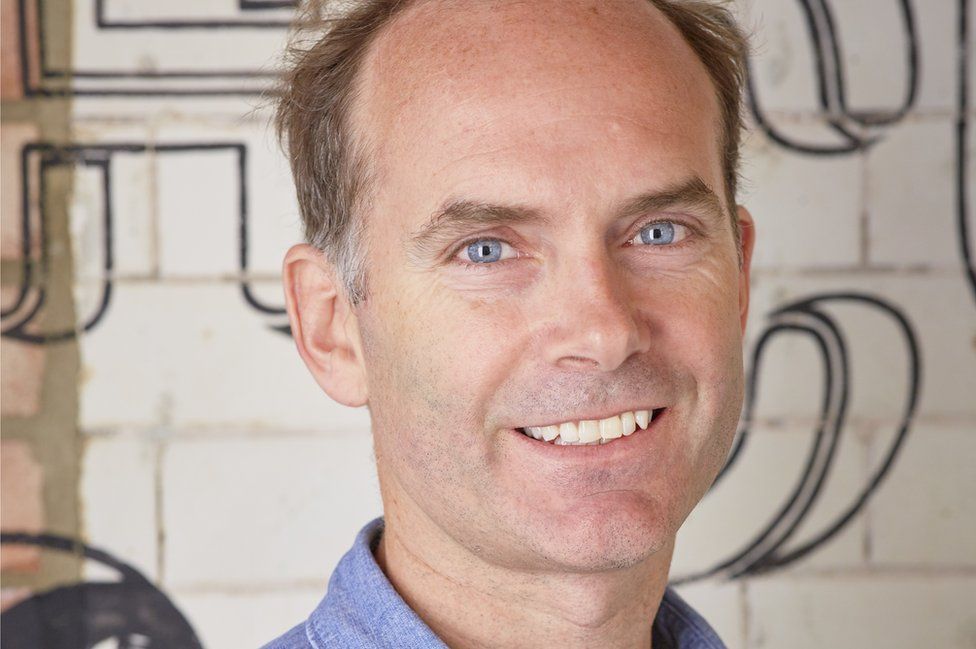 Mark Selby said he doesn't think calories on menus will "sway the dial" at his restaurants
Mr Selby said he believed people visited Wahaca as "a treat" and wouldn't look at the menu from a calorie point of view.
He also said creating a system to ensure chefs were accurately using the right amounts of the 250 ingredients they use across the restaurants every day had "obviously had an impact" on the business and increased costs.
The company said it used the change to also add the carbon footprint of meals to measure the climate impact of each dish.
Masterchef winner Sven-Hanson Britt tweeted the change was a "terrible thing to happen to the hospitality industry". He warned the regulation "could end creativity, spontaneity and lead to boring tick-box cooking".
"Kids will grow up in restaurants, hotels and cafes only looking at that little number below a dish. Choices will be made based on a number alone. The love of flavour, ingredients, history, cooking craft or nutrition will be lost and masked by a newly perceived focus," he said.
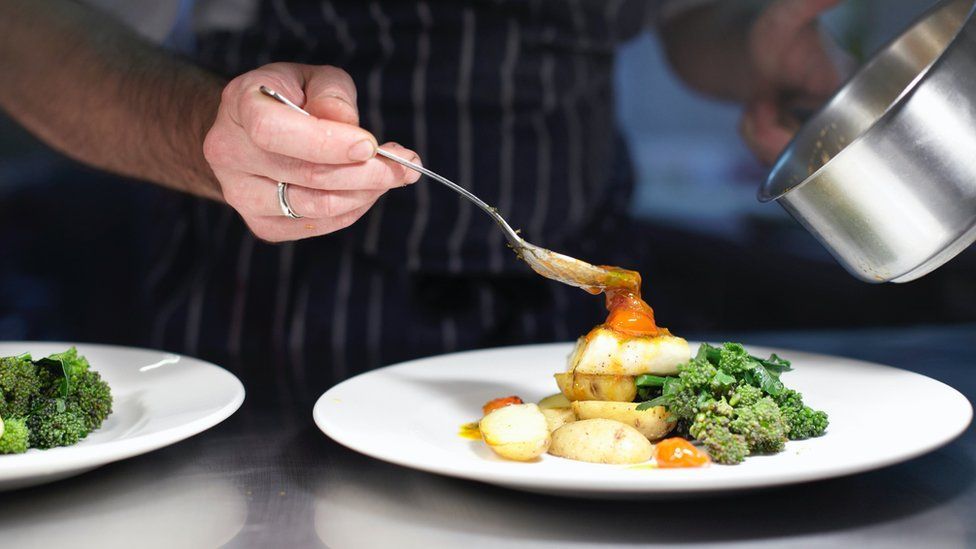
Kate Nicholls, boss of the industry group UK Hospitality, said the new rules came at the "worst possible time for thousands of businesses struggling to survive".
"We've long called for a delay to the implementation of calorie labelling, and we'd like to see a grace period post-April to allow businesses breathing space in which to implement the new rules without the risk of unnecessary enforcement action from day one," she said.
"It's completely unfair to expect businesses devastated by Covid to all of a sudden introduce complicated and costly new labelling when they've much more pressing matters to attend to - recouping their losses of the past 24-months for a start."
What do diners say?
For Charlotte Roberts, from Macclesfield, the change won't make any difference to her food choices.
"I come to the restaurant because I go there knowing what I want to eat," the 19-year-old said. "I go there knowing that it's going to be a big meal. I just eat what I want to eat."
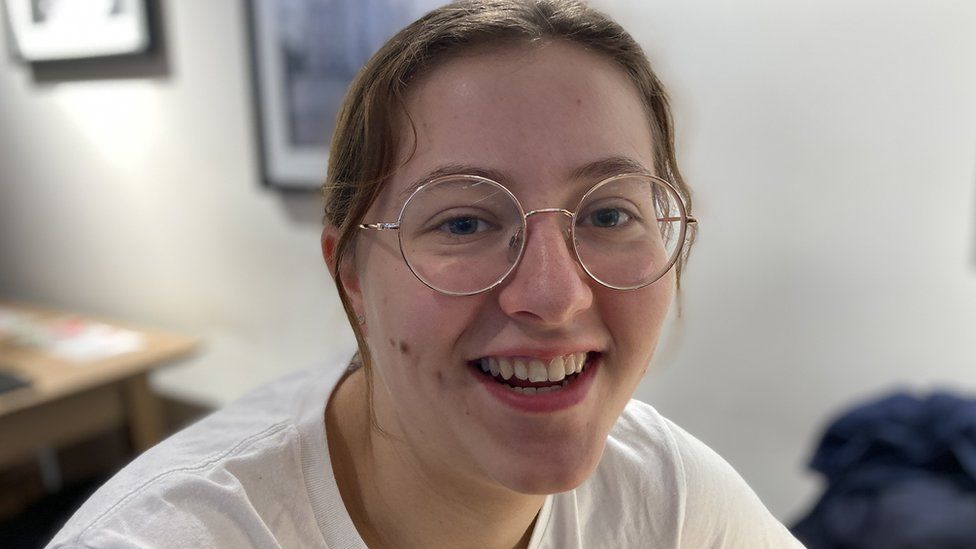
James Howlett, from London, said the change wouldn't affect his menu choices. The 18-year-old said: "I didn't notice that they didn't have it down anyway.
"It's whatever I feel like on the day. If I want a pizza I'll take a pizza, if I want a burger I'll take a burger."

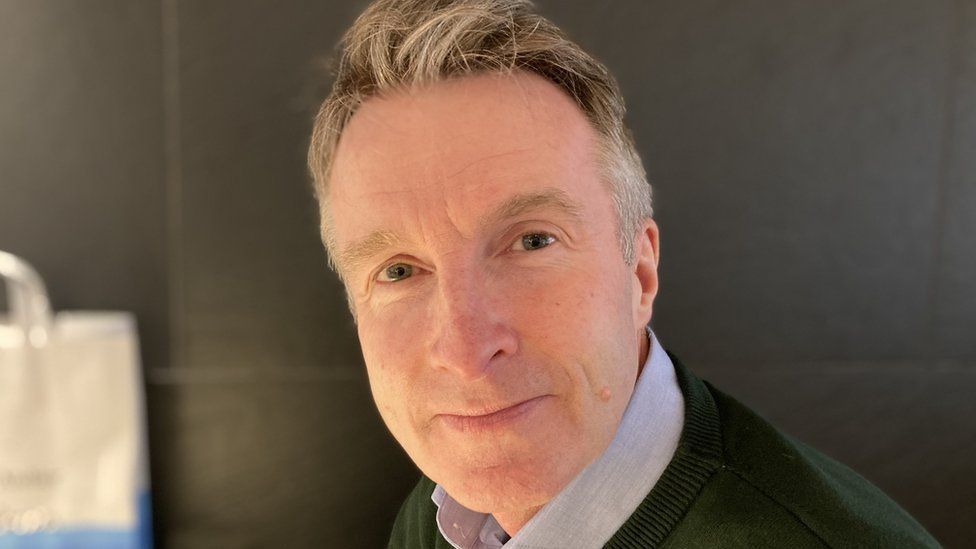
However, Patrick Callaghan, 57, from Monmouth, said the move would make a difference to which dish he picked.
"I think people care what they eat and particularly after the lockdown, people are conscious of being more active and taking an interest in the calories that they take into the body," he told the BBC.
Kate Callaghan, 56, agreed, adding people should "accept our own responsibility for what we eat".
Making calories on menus mandatory can contribute to harmful eating disorder thoughts and behaviours worsening, according to Beat, the UK's eating disorder charity.
Tom Quinn, the charity's director of external affairs, said there was evidence that calorie information causes anxiety and distress for people affected by eating disorders.
"It can increase a fixation on restricting calories for those with anorexia or bulimia, or increase feelings of guilt for those with binge eating disorder," he said.
"There is also very limited evidence that the legislation will lead to changed eating habits among the general population."
Beat told the BBC 1.25 million people in the UK have an eating disorder and said it had "continually asked" the government to consider the impact on people affected by eating disorders and to consult "eating disorder clinicians and experts by experience at every stage of the process".
The Department of Health and Social Care said obesity was one of the biggest health issues the country faced and that food labelling played an important role in helping people make healthier choices.
A spokeswoman added people were used to seeing nutritional information on products sold in supermarkets.
The government said its policy has been informed by research and it had consulted "extensively" with mental health charities and experts.