London Daily

Focus on the big picture.
Wednesday, Jun 24, 2026

Fresh calls for London’s suburban rail to come under TfL’s control

Fresh calls for London’s suburban rail to come under TfL’s control

A motion for the change was passed by the London Assembly, but the Government said it was not considering the idea

Fresh calls for the capital’s suburban rail services to be put under the control of Transport for London (TfL) have been resisted by the Government.

The London Assembly passed a motion for the change at a recent meeting, saying the move would “provide a truly integrated, reliable and affordable rail network for Londoners”.

But the Department for Transport (DfT) said that despite the wishes of a majority of Assembly Members (AMs) at City Hall, the idea was not under consideration.

The motion was put forward by Labour AM Elly Baker, who told the Assembly’s March 16 meeting: “The fragmented and broken structure of our railways is well overdue for change and I think this is something we can all agree on, even if our solutions sometimes may be different.”

Labour AM Elly Baker

She added that rail passengers were facing “cuts to services, less staff and no improvements to reliability, ticketing, or accessibility”.

In comments after the meeting, Ms Baker also referred to the “dangerous scenes recently witnessed at London Bridge station, with extreme overcrowding”.


Concerns have been sparked at the central London station in recent weeks, as hundreds of passengers have - twice in just over a month - been stranded on the station’s concourse during the evening rush hour.

The recent overcrowding has been variously blamed on timetable cuts, points failures and signalling issues, as well as a trespasser on the line in January. A petition calling for the suburban routes operated by Southeastern, which run trains out of London Bridge, to be transferred to TfL’s control, has received some 5,500 signatures.

London Bridge: Hundreds of passengers were held on the station concourse

Ms Baker’s motion received support from the Assembly’s Labour, Green and Lib Dem groups, with only the Conservative group voting against.

Tory AM Nick Rogers said: “Whilst there may be benefits to rail devolution, the Mayor’s stewardship of TfL has been so poor that no responsible government would consider devolving control of suburban rail whilst he is Mayor.”

Lib Dem AM Caroline Pidgeon pointed out that former Conservative Mayor Boris Johnson had been in favour of the policy and said it should not matter who the Mayor is in order to back the idea.

Labour AM Joanne McCartney said that one service run by Great Northern, which goes through her Enfield and Haringey constituency, had been reduced during the pandemic from three trains per hour to two. She said this was “not acceptable” and meant trains were prone to overcrowding.
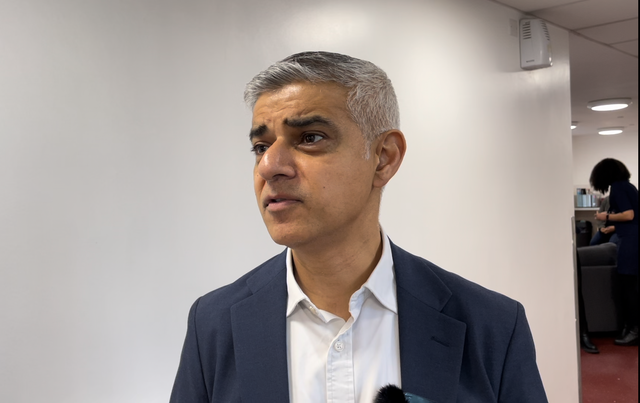
Like the Assembly, London mayor Sadiq Khan has also called for suburban rail services to be devolved to TfL

A spokeswoman for Mayor Sadiq Khan said Mr Khan was already in favour of suburban rail being devolved: “The Mayor has been clear that TfL has a proven track record of making rail services better, more reliable and more affordable.

“Fares in London are 12 per cent cheaper than they would have been without the action taken by the Mayor to freeze fares for five years.

“The business case presented to the Government demonstrated that devolving responsibility for London rail services to TfL would lead to economic benefits for Londoners and better services for commuters, and both the Mayor and TfL will continue to call on the Government to devolve franchised services to TfL.”

But approached for comment, a DfT spokeswoman said the Government would not be following the Assembly and Mayor’s request.
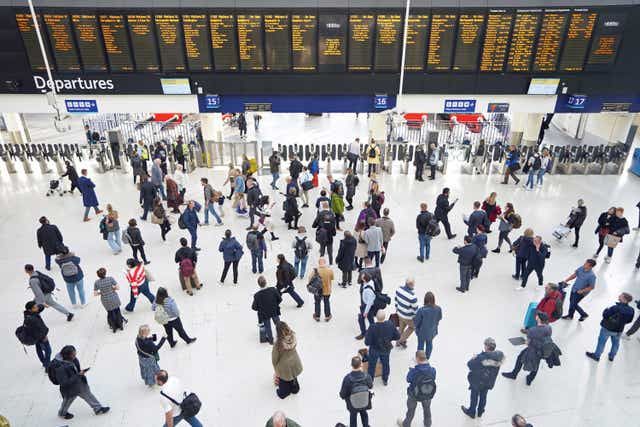
Passengers at London Waterloo station

She instead said: “The Department is committed to its strategic partnership with local authorities across the country, including TfL, to ensure suburban rail services are working at their best for passengers, supporting housing, economic growth and the environment.

“Our passenger-focused reforms will bring in improved services with a focus on getting trains running reliably and on time.”


Newsletter

Related Articles

0:00
0:00
Close
UK Biotechnology Sector Receives Increased Public Funding to Support Regional Growth
Police Chiefs Update National Protest Management Guidelines Amid Rising Demonstration Activity
UK Aviation Regulator Expands Support for Regional Airports to Strengthen Domestic Routes
CMA Launches Investigation Into Retail Pricing Across UK Grocery Sector
UK Energy Operator Warns of Winter Supply Pressures Despite Stable Overall Grid Outlook
UK Research Council Expands Funding for Regional Biotechnology and Life Sciences Clusters
UK Compensation Scheme for Post Office Horizon Scandal Reaches 80 Percent Completion
Police Chiefs Issue Updated National Guidance on Managing Large Public Demonstrations
UK Expands Regional Airport Funding Scheme to Boost Domestic Connectivity
UK Competition Watchdog Launches Inquiry Into Grocery Pricing Practices
National Grid Warns of Tight Energy Management Needs During Upcoming Winter Peak Demand
UK Education Department Introduces National Standards for AI Use in Secondary Schools
UK High Court Clears North Sea Carbon Capture Project After Final Legal Challenge Fails
Northern Ireland Leaders Hold Emergency Talks on Trade Disruption Under Windsor Framework
Welsh Government Moves to Expand Social Housing in Response to Severe Affordability Pressures
UK Economy Sees Unexpected Rise in Business Investment in Second Quarter, ONS Data Shows
Scottish Government Unveils Multi-Billion Pound Investment Plan for Renewable Energy and Grid Expansion
UK and EU Agree Enhanced Defence Cooperation Pact Covering Intelligence and North Sea Security
Prime Minister Orders Independent Review of NHS Performance After Record Waiting Lists
Bank of England Holds Interest Rates at 5 Percent as Services Inflation Remains Persistent
UK Heatwave Disrupts Transport, Healthcare and Public Services as Red Weather Alerts Expand Nationwide
Barclays Warns of Growing Cyber Risk Divide Between Large UK Firms and Micro Businesses
European Defence Plans Including Ukraine Integration Prompt UK Strategic Reassessment
UK Equity Markets React as US–Iran Peace Roadmap Eases Oil Price Pressures
United Kingdom Expands Global Clean Energy Partnerships With Brazil, Morocco and Tanzania
Lord David Frost Urges Incoming UK Leadership to Abandon EU Regulatory Reset Strategy
Housing Groups Support Amendment to Strengthen Fire and Gas Safety Access Powers in Social Housing
South London NHS Estates Staff Ballot on Industrial Action Over Pay Structures in Hospital Maintenance Services
United Kingdom Government Invests £60 Million in AI Research Labs at Oxford and University College London
Barclays Cyber Security Report Highlights Rising Threat Exposure Among UK Small Businesses in AI-Driven Attacks
UK Met Office Heatwave Triggers Transport Warnings as Rail Operators Urge Cancellations Amid Infrastructure Strain
South London NHS Estates Workers Ballot for Strike Action Over Pay Disputes Across Major London Hospitals
Barclays Warns of Severe Cyber Security Gap Between Large Corporations and Small Businesses in the United Kingdom
United Kingdom Government Allocates £60 Million for Artificial Intelligence Research Laboratories at Oxford and UCL
National Health Service Approves Teplizumab Treatment to Delay Onset of Type One Diabetes in First European Rollout
Met Office Issues Rare Red Extreme Heat Warning Across London, South East and West Midlands as Transport and Health Systems Face Disruption
Prime Minister Keir Starmer Resigns After Labour Party Revolt Following Economic Stagnation and Local Election Losses
United Kingdom Economy Contracts for Second Consecutive Month as Private Sector Weakens and Job Loss Fears Rise
Taxpayer Support Grows for Higher Digital Levies on Multinational Tech Companies
Bank of England Signals Caution Over Inflation Despite Easing Energy Prices
Lloyds Banking Group Expands Artificial Intelligence Hiring Amid Sector-Wide Automation Shift
Film Producer Corporate Collapse Leaves Creditors Facing Unrecoverable Losses
UK Ten-Year Brexit Anniversary Highlights Ongoing Political and Economic Uncertainty
Nottingham Maternity Scandal Inquiry Reveals Systemic Failings in NHS Care
Met Office Heatwave Prompts Public Health Warnings Across United Kingdom
Concerns Rise Over Fiscal Stability as Political Uncertainty Weighs on UK Borrowing Costs
UK Taxpayers Back Higher Digital Taxes on Global Technology Firms, Survey Shows
Bank of England Holds Interest Rates Steady Amid Persistent Services Inflation
Reform UK and Opposition Leaders Call for General Election Following Starmer’s Departure
Ten Years After Brexit Referendum, UK Faces Ongoing Political Fragmentation and Economic Debate
×