Former Nato chief attacks Trump’s ‘gangster’ talk on Greenland
Ex-NATO Chief Condemns Trump’s Rhetoric on Greenland, Warning of Wider Strategic Risks
Anders Fogh Rasmussen criticises President Trump’s language on Greenland as resembling authoritarian tactics and urges focus on real security challenges
Anders Fogh Rasmussen criticises President Trump’s language on Greenland as resembling authoritarian tactics and urges focus on real security challenges
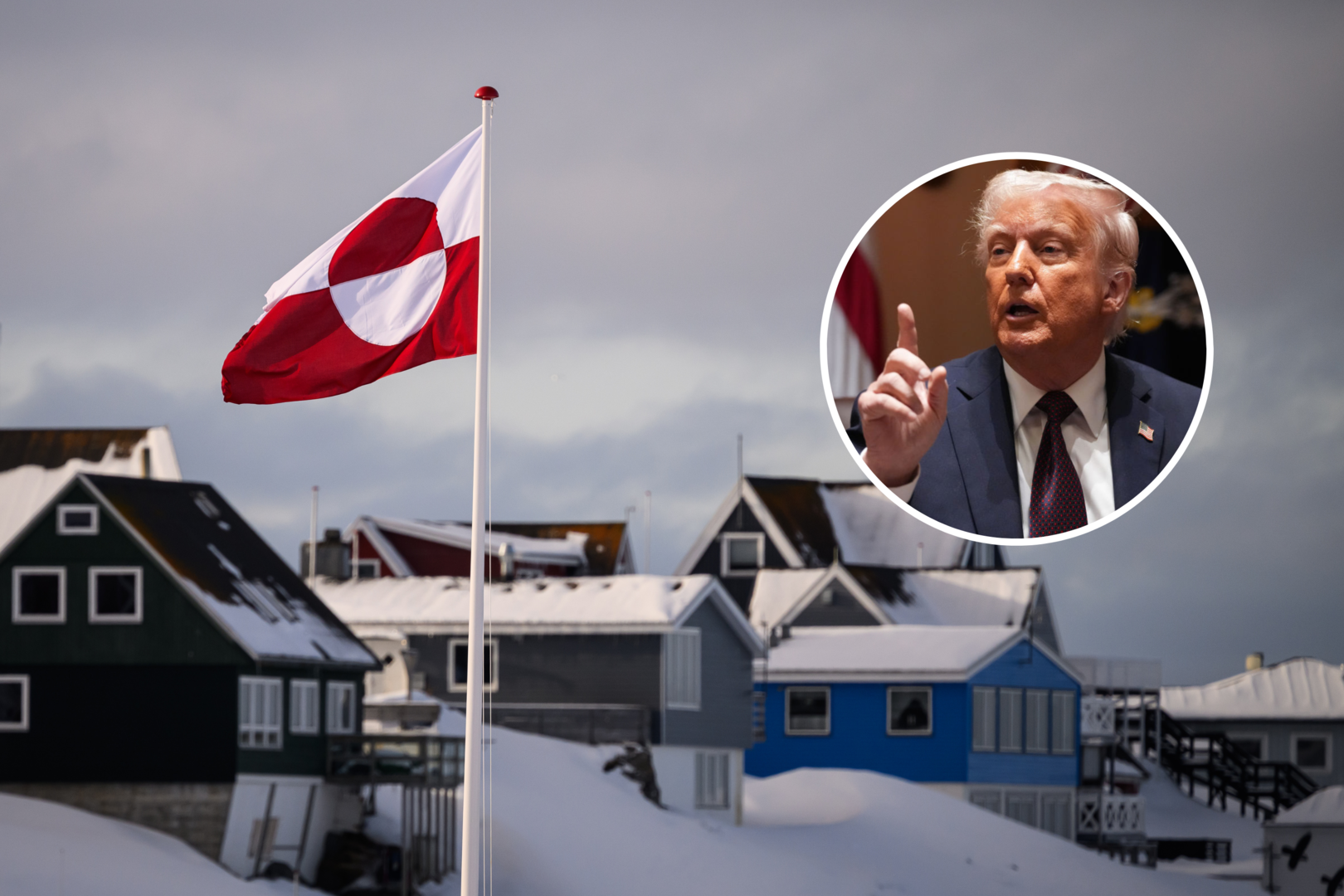
Former NATO Secretary-General and former Danish Prime Minister Anders Fogh Rasmussen has sharply criticised U.S. President Donald Trump’s recent rhetoric regarding Greenland, likening the language used by Mr. Trump to that of “gangsters” and authoritarian regimes that the West should be countering.
Rasmussen made his remarks in an interview on January 17, 2026, amid escalating tensions between Washington and European capitals over Mr. Trump’s public pursuit of greater U.S. influence over the strategically located Arctic territory.
The former NATO head said Mr. Trump’s focus on Greenland was distracting from more pressing threats, particularly Russia’s war in Ukraine, and risked undermining unity among Western allies.
Rasmussen observed that Greenland is a friendly territory and argued that attention should remain on confronting genuine security challenges rather than engaging in what he described as sensationalist discourse.
Mr. Trump’s statements about Greenland have triggered protests in Denmark and Greenland and drawn concern from Western partners, who have underscored that Greenland is part of the Kingdom of Denmark and not for sale.
Danish and Greenlandic officials have reiterated their commitment to sovereignty and self-determination, even as negotiations continue in parallel on security cooperation and Arctic defence arrangements.
In response to the United States’ push, representatives from several European countries have publicly affirmed the importance of respecting Danish and Greenlandic authority over the island and the necessity of maintaining strong alliances amid broader geopolitical competition.
Rasmussen warned that divisions within the alliance played into the hands of strategic rivals like Russia and China, contending that a western focus on internal disagreements could weaken NATO’s collective effectiveness.
The former Danish prime minister also proposed concrete measures to bolster transatlantic cooperation and Arctic security, including modernising the 1951 defence agreement that governs U.S. military presence in Greenland, encouraging increased American investment in the island’s critical minerals, and establishing a resilience compact to counter external influence.
He stressed that such steps would help address shared concerns without resorting to confrontational rhetoric.
Rasmussen’s comments reflect broader unease among European leaders who have emphasised diplomatic engagement and mutual respect as the foundation for addressing security challenges in the Arctic.
The unfolding dispute over Greenland’s future has become a focal point in discussions about the coherence and durability of transatlantic relations, with allies calling for measured diplomacy and reaffirmation of collective defence commitments.
Rasmussen made his remarks in an interview on January 17, 2026, amid escalating tensions between Washington and European capitals over Mr. Trump’s public pursuit of greater U.S. influence over the strategically located Arctic territory.
The former NATO head said Mr. Trump’s focus on Greenland was distracting from more pressing threats, particularly Russia’s war in Ukraine, and risked undermining unity among Western allies.
Rasmussen observed that Greenland is a friendly territory and argued that attention should remain on confronting genuine security challenges rather than engaging in what he described as sensationalist discourse.
Mr. Trump’s statements about Greenland have triggered protests in Denmark and Greenland and drawn concern from Western partners, who have underscored that Greenland is part of the Kingdom of Denmark and not for sale.
Danish and Greenlandic officials have reiterated their commitment to sovereignty and self-determination, even as negotiations continue in parallel on security cooperation and Arctic defence arrangements.
In response to the United States’ push, representatives from several European countries have publicly affirmed the importance of respecting Danish and Greenlandic authority over the island and the necessity of maintaining strong alliances amid broader geopolitical competition.
Rasmussen warned that divisions within the alliance played into the hands of strategic rivals like Russia and China, contending that a western focus on internal disagreements could weaken NATO’s collective effectiveness.
The former Danish prime minister also proposed concrete measures to bolster transatlantic cooperation and Arctic security, including modernising the 1951 defence agreement that governs U.S. military presence in Greenland, encouraging increased American investment in the island’s critical minerals, and establishing a resilience compact to counter external influence.
He stressed that such steps would help address shared concerns without resorting to confrontational rhetoric.
Rasmussen’s comments reflect broader unease among European leaders who have emphasised diplomatic engagement and mutual respect as the foundation for addressing security challenges in the Arctic.
The unfolding dispute over Greenland’s future has become a focal point in discussions about the coherence and durability of transatlantic relations, with allies calling for measured diplomacy and reaffirmation of collective defence commitments.