London Daily

Focus on the big picture.
Sunday, Jul 19, 2026

For Amazon, Apple, Facebook and Google business is booming

For Amazon, Apple, Facebook and Google business is booming

Latest sales and profit figures from America's big tech companies exceed Wall Street expectations.

Amazon, Facebook, Apple and Google reported sales and profits figures on Thursday covering the three months to 30 September - and there was a common thread: growth shows no sign of slowing.

1. Amazon is king


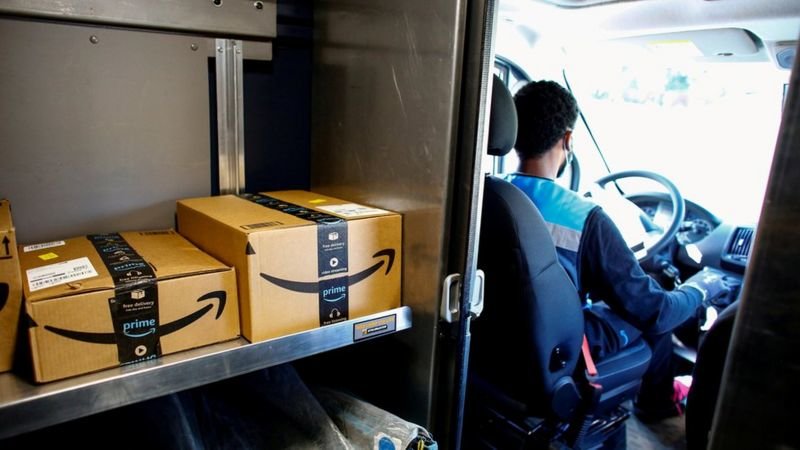
The cardboard boxes and delivery trucks were an early sign - and now we've got more proof: Amazon continues to be one of the biggest winners from the pandemic.

Sales at the internet giant shot to $96.1bn in the three months to 30 September - up 37% from the same period in 2019. And profits hit a record $6.3bn, nearly three times last year's total.

The rise was driven by its e-commerce business in North America, as families increasingly turned to online shopping. But the company's advertising and cloud computing business also saw significant gains.

The growth has not come without cost. Amazon said it had $2.5bn in Covid-related expenses and its reputation has also taken a hit, with protests against the firm's working conditions and other policies.

2. On social media, the Covid surge is fading

Facebook, owner of Instagram and WhatsApp, reported a whopping 2.5 billion daily users on average in September across its platforms. That's up 15% from September a year ago - but only a 3% rise from June, when people stuck-at-home turned to social media, generating a flood of activity.

The company warned that the number of Facebook users even declined in the US and Canada - its most profitable market - and told investors they expected the trend to continue.

Twitter reported a similar story, claiming 187 million daily active users in the July-September quarter, up just 1 million from the prior period.

3. The dip in users doesn't seem to be deterring advertisers, however


Amid the shutdowns earlier this year, many businesses cut advertising spending. The move led sales to slow at Facebook and pushed Alphabet, the parent company of Google and YouTube, to its first year-on-year decline in quarterly revenue since becoming a publicly-listed company in 2004.

But spending from those businesses has returned.

At Google, revenue was up 14% year-on-year - far better than analysts had expected. The rise helped profits jump an eye-popping 59% year-on-year to more than $11bn, sending the firm's shares up more than 6% in after-hours trading.

Twitter also saw revenue rise 14%, while at Facebook it jumped 22% and the firm said it expected that growth to accelerate.

4. The next iPhone better be big


Apple sales hit $64.7bn, up slightly from a year ago - handily beating most analyst expectations, as sales of laptops and iPads surged.

But shares in the firm sank in after-hours trading anyway, as investors digested a more than 20% drop in iPhone revenue.

The hit was especially evident in Apple's Greater China region - where it typically generates about 20% of its sales and sales dropped almost 30%.

Apple expressed confidence that buyers were simply holding out for its latest phone, which went on sale later than in prior years.

"Despite the ongoing impacts of Covid-19, Apple is in the midst of our most prolific product introduction period ever, and the early response to all our new products, led by our first 5G-enabled iPhone line-up, has been tremendously positive," chief executive Tim Cook said.

5. They celebrated the success - but will others?


As is typical, discussions from the companies focused on sales and profits - and not the controversies swirling around them as calls for tougher regulation gain traction in the US and elsewhere.

In its prepared comments, Facebook stood out with its brief nod to the issue, warning of "headwinds… from the evolving regulatory landscape".

But the companies' financial success will only make them more of a target for complaints, warned Paolo Pescatore, analyst at PP Foresight.

"Tech dominance will continue to raise eyebrows given the antitrust concerns," he said. "There will be further calls from rivals to regulate tech companies."


Newsletter

Related Articles

0:00
0:00
Close
Iran Claims It Destroyed Bahrain’s Main Artificial Intelligence Center in Missile and Drone Strike
Brothers Andrew and Tristan Tate Who Turned "Toxic Masculinity" Into a Brand Arrested in Miami as Britain Seeks Their Extradition
Trump Administration Pressures Banks to Restrict Financial Access for Undocumented Immigrants
Passenger Bound for Germany Refused to Sit Beside a Woman on a Plane — Then Slapped a Flight Attendant
Ukraine’s Leadership Rift Spills Into the Streets as Protesters Target Army Chief
Ukrainian Drone Barrage Kills Eight and Strikes Russian Logistics Network
Key Trends to Watch
Financial Conduct Authority Warns Cloud and Digital Risks Are Becoming a Financial Priority
Jeffrey Donaldson Appeals Sexual Abuse Conviction as Democratic Unionist Party Opens Review
Welsh Health Authorities Launch Emergency Meningitis Vaccination Programme for Students
Scottish Business Activity Falls for Third Month as Companies Face Rising Costs
Bank of England Regulators Demand Better Access to Digital Banking Services
United Kingdom Cuts Bilateral Aid to Several African Countries by Up to Ninety Per Cent
United Kingdom Introduces Tougher Deportation Rules After Rochdale Exploitation Scandal
NHS England Launches Wearable Technology Plan to Reduce Sepsis Deaths
Amazon Web Services Billing Error Sends Trillion-Dollar Invoices to British Companies
Bank of England Takes Direct Regulatory Role Over Major Global Cloud Providers
Extreme Summer Heat Drives Record Fire Risk and Rising Deaths Across Britain
United Kingdom Nationalisation of British Steel Sparks Diplomatic Dispute With China
United Kingdom Economy Shows Weak Growth Ahead of Major Autumn Budget
Andy Burnham Set to Become United Kingdom Prime Minister After Labour Leadership Victory
The Ten World Cup Finals That Defined Football History
Smartphones Are Getting More Expensive, Sales Are Collapsing, and Even Apple Admits: "Prices Will Rise"
The Monaco Bombing Has Become a Test of Ukraine’s Intelligence Accountability
Leadership Change and Strategic Rivalry Redraw the Political Map
Energy Risk, Uneven Growth and the New Geography of Global Capital
The AI Race Enters Its Infrastructure Era
Security and resilience remain long-term national priorities
Britain balances growth ambitions with public finance pressures
Regional devolution becomes a defining theme of the next Labour era
Industrial strategy returns to the centre of British economic policy
Political Instability Remains a Challenge for UK Investment Confidence
Brexit Economic Debate Continues as Public Concerns Over Long-Term Impact Remain
UK Climate Risks Rise as Met Office Warns Extreme Weather Is Becoming More Common
Housing Shortages and Regional Inequality Become Key Priorities Under Incoming Labour Leadership
National Health Service Reform Remains One of Britain’s Biggest Political Challenges
Bank of England Remains at Centre of UK Economic Debate Over Inflation and Growth
UK Economy Shows Recovery Signs but Households and Businesses Remain Under Pressure
Britain Deepens European Defence Cooperation as NATO Allies Seek Stronger Security Capabilities
United Kingdom Expands Sanctions Against Russian Cyber Networks Over Security Threats
UK Industrial Strategy Faces Test After Government Takes Control of British Steel
British Businesses Seek Policy Clarity as Andy Burnham Prepares to Lead Labour Government
Andy Burnham’s Labour Leadership Signals Major Shift Toward Regional Power and Devolution
British Steel Nationalisation Creates New UK-China Tensions Over Control of Strategic Industry
For 36 Years, He Scammed About 300 Luxury Hotels — Until He Was Caught
England's World Cup Exit Expected to Cost Hospitality and Retail £334 Million
Former ICC Prosecutor Aide Speaks Publicly About Allegations Against Karim Khan
Opposition Raises Questions Over June Heatwave Power Grid Pressures
Mastercard Explores Sale of Majority Stake in UK Payments Operator Vocalink
Boeing Forecasts Global Commercial Aircraft Fleet Will Double by 2045
×