Farmers Protesting Against the EU in Brussels Demand Fairness in Trade Policy
Large-scale farmer demonstrations against the EU–Mercosur trade deal intensified pressure on European leaders amid fears of unfair competition and economic harm.
Hundreds of farmers gathered in Brussels to protest against European Union trade policy, directing their anger toward the EU–Mercosur agreement, which they say threatens their livelihoods and undermines fair competition.
The demonstrations unfolded near EU institutions as farmers from several member states sought to make their voices heard at a moment of critical decision-making.
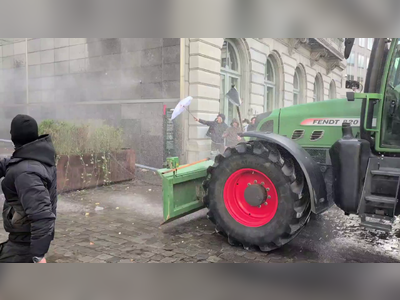
Arriving in large numbers, many with tractors, protesters expressed deep frustration over what they view as unequal conditions imposed on European agriculture.
Farmers argue that they are required to meet strict environmental, animal welfare, and safety standards, while imports under the Mercosur agreement would enter the European market without being subject to the same regulatory burdens.
Tensions rose during the protests as demonstrators attempted to draw attention to what they described as years of ignored warnings.
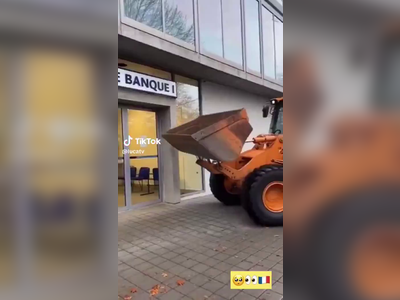
Fires were lit and property damage occurred near the protest sites, reflecting the intensity of anger among farming communities who believe their economic survival is at stake.
Police responded with crowd-control measures as authorities sought to maintain order around sensitive EU buildings.
The demonstrations took place as European leaders were meeting in Brussels to discuss the future of the EU–Mercosur trade deal.
Several member states have echoed farmers’ concerns, calling for stronger safeguards and protections before any final agreement is approved.
Supporters of the deal argue it is strategically important for Europe’s global trade position, while critics insist that protecting domestic food production and rural stability must come first.
In response to the growing pressure, EU leaders agreed to delay the signing of the agreement, allowing additional time for negotiations and internal consultations.
For many farmers, the protests were not about disruption, but about forcing long-overdue recognition of their role in Europe’s food security and economic resilience.
The demonstrations unfolded near EU institutions as farmers from several member states sought to make their voices heard at a moment of critical decision-making.
Arriving in large numbers, many with tractors, protesters expressed deep frustration over what they view as unequal conditions imposed on European agriculture.
Farmers argue that they are required to meet strict environmental, animal welfare, and safety standards, while imports under the Mercosur agreement would enter the European market without being subject to the same regulatory burdens.
Tensions rose during the protests as demonstrators attempted to draw attention to what they described as years of ignored warnings.
Fires were lit and property damage occurred near the protest sites, reflecting the intensity of anger among farming communities who believe their economic survival is at stake.
Police responded with crowd-control measures as authorities sought to maintain order around sensitive EU buildings.
The demonstrations took place as European leaders were meeting in Brussels to discuss the future of the EU–Mercosur trade deal.
Several member states have echoed farmers’ concerns, calling for stronger safeguards and protections before any final agreement is approved.
Supporters of the deal argue it is strategically important for Europe’s global trade position, while critics insist that protecting domestic food production and rural stability must come first.
In response to the growing pressure, EU leaders agreed to delay the signing of the agreement, allowing additional time for negotiations and internal consultations.
For many farmers, the protests were not about disruption, but about forcing long-overdue recognition of their role in Europe’s food security and economic resilience.