London Daily

Focus on the big picture.
Wednesday, Jun 24, 2026

Cost-of-renting: Young, struggling and short of cash

Cost-of-renting: Young, struggling and short of cash

What's it like being young and facing higher rent while your pay stays the same?

Figures seen by the BBC show people under 30 face a growing cost-of-renting crisis, with worrying numbers spending more than 30% of their pay on rent.

Experts say spending this level of income on rental costs is unaffordable.

We've been speaking to people experiencing this, as well as hearing what it is like for those on the other side - the landlords.


The student


For Manchester University student Jess Walmsley, the scarcity of housing has been a major challenge.

The 21-year-old said she and her friends began looking for a house for their third year of study back in January and February but "there were hardly any places left this year".

"You really have to be on it and look every day," she said. "We were left with expensive or bad quality houses but luckily a student dropped out so we got a good deal."

Ms Walmsley pays £87 a week per person for a four-bedroom house, excluding bills. She said it was now common for people to start looking for houses for the next academic year as early as October - just a month into term.

Her housemates have also been cutting down on using the tumble dryer and shopping a lot more at Iceland to reduce costs.

"It's a tough process, I've been working all of the summer but I feel lucky to be eligible for the maximum loan because otherwise, it would be so hard to manage," Ms Walmsley added.


The young family


Data seen by the BBC, supplied by property market consultancy Dataloft, suggests that people under 30 are spending more of their earnings on rent than other working-age groups.

London has the highest rents, according to the data. However, many of the places where affordability has worsened since the pandemic are in locations such as Rotherham, Bolton and Dudley.

Shannon Waine, 31, and Oliver Kimber, 28, have had to move 45 minutes outside of Cheltenham with their 10-month-old baby Mhairi, to find affordable rental accommodation.

Although Ms Waine is a little older than the people examined in our data, her experience shows life isn't getting any easier for this cohort.

Shannon Waine and her family are now paying £175 more each month


After applying for 20 different houses in their price range in Cheltenham, Ms Waine said she had to look further afield. After six weeks, she found a house in Bidford-on-Avon in Warwickshire for £825 a month - £175 higher than their previous house.

"We used to pay £650 a month but there was no longer anything in that price bracket as there is just so much demand for two beds in Cheltenham now," she told the BBC.

The family have moved in with relatives twice during their search.

"It's been incredibly stressful, not knowing where we'll be and with a 10-month-old daughter has not been easy through no fault of our own," she said.

"Unless you have family support I don't know how people can cope - there's nowhere near enough council houses and it feels like it's all backwards."

The family has also had to borrow money to afford the cost of moving house in six trips from Cheltenham to Warwickshire.


The landlord


Colin Hayman, a private landlord from Norwich, says he does have sympathy for tenants facing spiralling rents.

But Mr Hayman, who's 61, says he's also frustrated at how landlords are "always painted as the bad guy".
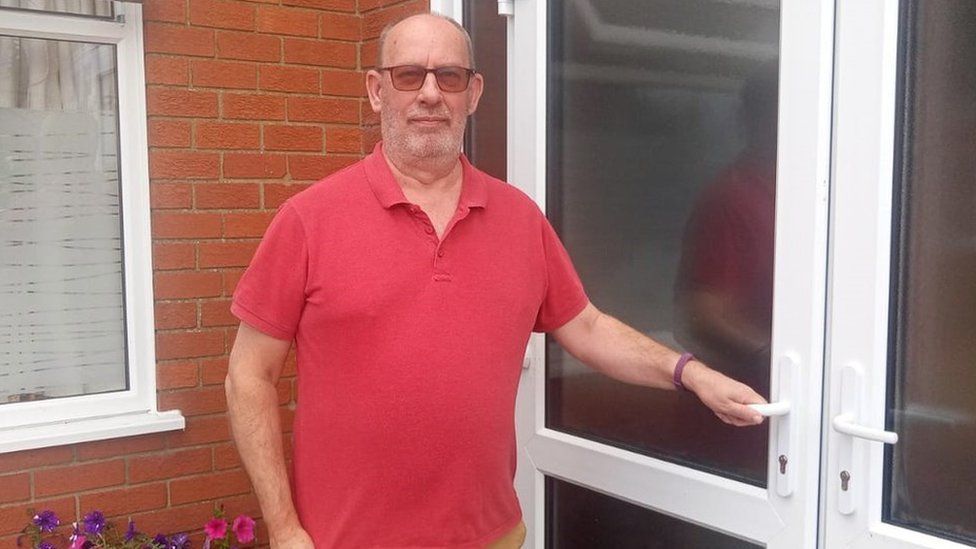
Colin Hayman says landlords have good reasons for increasing rents.


"Of course I have sympathy for renters, don't get me wrong," he told the BBC.

"But from a landlord's perspective there are good reasons for increasing rents which are being ignored, including changes in tax laws in respect of buy-to-let mortgage payments."

Mr Hayman, who has a small portfolio of properties in north-east England, says there are also changes coming in which make it increasingly difficult to make an income from being a landlord.

These include new regulations to make properties more energy efficient.

"It's expensive to achieve the new standards," he says. "For many landlords, it's simply not viable to keep their properties as it's costing too much."

Mr Hayman says many landlords are being forced out of the market.

"They are selling up now whilst property prices are high, thus reducing supply of rental stock and pushing prices up further,"

"The government likes to show it is pro-tenant but everything they are doing is anti-landlord."

Newsletter

Related Articles

0:00
0:00
Close
UK Biotechnology Sector Receives Increased Public Funding to Support Regional Growth
Police Chiefs Update National Protest Management Guidelines Amid Rising Demonstration Activity
UK Aviation Regulator Expands Support for Regional Airports to Strengthen Domestic Routes
CMA Launches Investigation Into Retail Pricing Across UK Grocery Sector
UK Energy Operator Warns of Winter Supply Pressures Despite Stable Overall Grid Outlook
UK Research Council Expands Funding for Regional Biotechnology and Life Sciences Clusters
UK Compensation Scheme for Post Office Horizon Scandal Reaches 80 Percent Completion
Police Chiefs Issue Updated National Guidance on Managing Large Public Demonstrations
UK Expands Regional Airport Funding Scheme to Boost Domestic Connectivity
UK Competition Watchdog Launches Inquiry Into Grocery Pricing Practices
National Grid Warns of Tight Energy Management Needs During Upcoming Winter Peak Demand
UK Education Department Introduces National Standards for AI Use in Secondary Schools
UK High Court Clears North Sea Carbon Capture Project After Final Legal Challenge Fails
Northern Ireland Leaders Hold Emergency Talks on Trade Disruption Under Windsor Framework
Welsh Government Moves to Expand Social Housing in Response to Severe Affordability Pressures
UK Economy Sees Unexpected Rise in Business Investment in Second Quarter, ONS Data Shows
Scottish Government Unveils Multi-Billion Pound Investment Plan for Renewable Energy and Grid Expansion
UK and EU Agree Enhanced Defence Cooperation Pact Covering Intelligence and North Sea Security
Prime Minister Orders Independent Review of NHS Performance After Record Waiting Lists
Bank of England Holds Interest Rates at 5 Percent as Services Inflation Remains Persistent
UK Heatwave Disrupts Transport, Healthcare and Public Services as Red Weather Alerts Expand Nationwide
Barclays Warns of Growing Cyber Risk Divide Between Large UK Firms and Micro Businesses
European Defence Plans Including Ukraine Integration Prompt UK Strategic Reassessment
UK Equity Markets React as US–Iran Peace Roadmap Eases Oil Price Pressures
United Kingdom Expands Global Clean Energy Partnerships With Brazil, Morocco and Tanzania
Lord David Frost Urges Incoming UK Leadership to Abandon EU Regulatory Reset Strategy
Housing Groups Support Amendment to Strengthen Fire and Gas Safety Access Powers in Social Housing
South London NHS Estates Staff Ballot on Industrial Action Over Pay Structures in Hospital Maintenance Services
United Kingdom Government Invests £60 Million in AI Research Labs at Oxford and University College London
Barclays Cyber Security Report Highlights Rising Threat Exposure Among UK Small Businesses in AI-Driven Attacks
UK Met Office Heatwave Triggers Transport Warnings as Rail Operators Urge Cancellations Amid Infrastructure Strain
South London NHS Estates Workers Ballot for Strike Action Over Pay Disputes Across Major London Hospitals
Barclays Warns of Severe Cyber Security Gap Between Large Corporations and Small Businesses in the United Kingdom
United Kingdom Government Allocates £60 Million for Artificial Intelligence Research Laboratories at Oxford and UCL
National Health Service Approves Teplizumab Treatment to Delay Onset of Type One Diabetes in First European Rollout
Met Office Issues Rare Red Extreme Heat Warning Across London, South East and West Midlands as Transport and Health Systems Face Disruption
Prime Minister Keir Starmer Resigns After Labour Party Revolt Following Economic Stagnation and Local Election Losses
United Kingdom Economy Contracts for Second Consecutive Month as Private Sector Weakens and Job Loss Fears Rise
Taxpayer Support Grows for Higher Digital Levies on Multinational Tech Companies
Bank of England Signals Caution Over Inflation Despite Easing Energy Prices
Lloyds Banking Group Expands Artificial Intelligence Hiring Amid Sector-Wide Automation Shift
Film Producer Corporate Collapse Leaves Creditors Facing Unrecoverable Losses
UK Ten-Year Brexit Anniversary Highlights Ongoing Political and Economic Uncertainty
Nottingham Maternity Scandal Inquiry Reveals Systemic Failings in NHS Care
Met Office Heatwave Prompts Public Health Warnings Across United Kingdom
Concerns Rise Over Fiscal Stability as Political Uncertainty Weighs on UK Borrowing Costs
UK Taxpayers Back Higher Digital Taxes on Global Technology Firms, Survey Shows
Bank of England Holds Interest Rates Steady Amid Persistent Services Inflation
Reform UK and Opposition Leaders Call for General Election Following Starmer’s Departure
Ten Years After Brexit Referendum, UK Faces Ongoing Political Fragmentation and Economic Debate
×