London Daily

Focus on the big picture.
Sunday, Jul 19, 2026

Climate change causing 'catastrophic harm to health,' experts warn

Climate change causing 'catastrophic harm to health,' experts warn

Editors of the world's leading medical journals joined together to release a climate change warning ahead of crucial UN and international summits.

A global temperature rise of more than 1.5C risks "catastrophic harm to health that will be impossible to reverse," according to a shared statement published in over 230 of the world's leading medical journals on Monday.

Journals including The Lancet, the New England Journal of Medicine and the BMJ called for government action on climate change ahead of the next UN General Assembly meeting in September, the Kunming biodiversity summit in October and COP26 in Glasgow in November.

The editorial, which marks the first time such a large number of academic journals have shared a statement, criticised the failure of governments to meet the challenge of limiting global warming to 1.5C, calling it a "catastrophic outcome for health and environmental stability".

"The greatest threat to global public health is the continued failure of world leaders to keep the global temperature rise below 1.5C and to restore nature," the editorial read.

Climate change is already here


The statement also highlighted the impacts of climate change that were already being felt around the world, adversely impacting human health, the natural environment and efforts to grow food.

"The risks to health of increases above 1.5C are now well established," it said, citing studies which have found that heat-related mortality among people older than 65 years has increased by more than 50 per cent in the last 20 years.

The editorial also said rising global temperatures had brought increases in dehydration, malignant skin conditions, and a growing number of tropical infections, which it said disproportionately impacted "children, older populations, ethnic minorities, poorer communities, and those with underlying health problems".

The joint editorial also highlighted the fact that the impacts of climate change would fall unequally on rich and poor countries and called on wealthier nations to shoulder more of the burden.

"Wealthier countries will have to cut emissions more quickly, making reductions by 2030 beyond those currently proposed and reaching net-zero emissions before 2050. Similar targets and emergency action are needed for biodiversity loss and the wider destruction of the natural world," it said.

What should governments do?


The editorial, published simultaneously worldwide by academic publications including the Danish and Finnish Medical Journals, criticised global governments for setting climate targets that were not being met.

"Targets are easy to set and hard to achieve. They are yet to be matched with credible short-term and longer-term plans to accelerate cleaner technologies and transform societies. Emissions reduction plans do not adequately incorporate health considerations," it said.
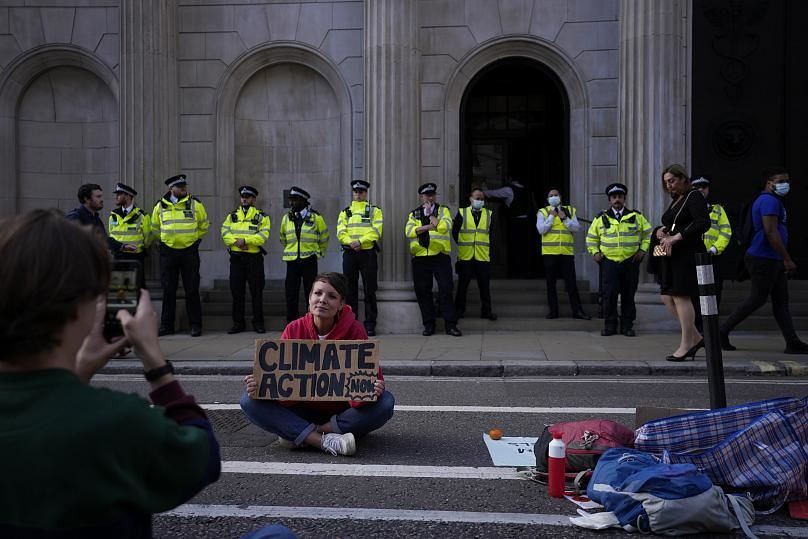
The editorial called for action ahead of key environmental summits this autumn


To rectify the situation, the statement called for "fundamental changes" to the ways global societies and economies are organised.

It said governments would have to intervene directly to mitigate the negative impact of climate change on public health, saying, "the current strategy of encouraging markets to swap dirty for cleaner technologies is not enough".

"Many governments met the threat of the COVID-19 pandemic with unprecedented funding. The environmental crisis demands a similar emergency response.

“Huge investment will be needed, beyond what is being considered or delivered anywhere in the world," the editorial said.

Newsletter

Related Articles

0:00
0:00
Close
Ukrainian Drone Barrage Kills Eight and Strikes Russian Logistics Network
Key Trends to Watch
Financial Conduct Authority Warns Cloud and Digital Risks Are Becoming a Financial Priority
Jeffrey Donaldson Appeals Sexual Abuse Conviction as Democratic Unionist Party Opens Review
Welsh Health Authorities Launch Emergency Meningitis Vaccination Programme for Students
Scottish Business Activity Falls for Third Month as Companies Face Rising Costs
Bank of England Regulators Demand Better Access to Digital Banking Services
United Kingdom Cuts Bilateral Aid to Several African Countries by Up to Ninety Per Cent
United Kingdom Introduces Tougher Deportation Rules After Rochdale Exploitation Scandal
NHS England Launches Wearable Technology Plan to Reduce Sepsis Deaths
Amazon Web Services Billing Error Sends Trillion-Dollar Invoices to British Companies
Bank of England Takes Direct Regulatory Role Over Major Global Cloud Providers
Extreme Summer Heat Drives Record Fire Risk and Rising Deaths Across Britain
United Kingdom Nationalisation of British Steel Sparks Diplomatic Dispute With China
United Kingdom Economy Shows Weak Growth Ahead of Major Autumn Budget
Andy Burnham Set to Become United Kingdom Prime Minister After Labour Leadership Victory
The Ten World Cup Finals That Defined Football History
Smartphones Are Getting More Expensive, Sales Are Collapsing, and Even Apple Admits: "Prices Will Rise"
The Monaco Bombing Has Become a Test of Ukraine’s Intelligence Accountability
Leadership Change and Strategic Rivalry Redraw the Political Map
Energy Risk, Uneven Growth and the New Geography of Global Capital
The AI Race Enters Its Infrastructure Era
Security and resilience remain long-term national priorities
Britain balances growth ambitions with public finance pressures
Regional devolution becomes a defining theme of the next Labour era
Industrial strategy returns to the centre of British economic policy
Political Instability Remains a Challenge for UK Investment Confidence
Brexit Economic Debate Continues as Public Concerns Over Long-Term Impact Remain
UK Climate Risks Rise as Met Office Warns Extreme Weather Is Becoming More Common
Housing Shortages and Regional Inequality Become Key Priorities Under Incoming Labour Leadership
National Health Service Reform Remains One of Britain’s Biggest Political Challenges
Bank of England Remains at Centre of UK Economic Debate Over Inflation and Growth
UK Economy Shows Recovery Signs but Households and Businesses Remain Under Pressure
Britain Deepens European Defence Cooperation as NATO Allies Seek Stronger Security Capabilities
United Kingdom Expands Sanctions Against Russian Cyber Networks Over Security Threats
UK Industrial Strategy Faces Test After Government Takes Control of British Steel
British Businesses Seek Policy Clarity as Andy Burnham Prepares to Lead Labour Government
Andy Burnham’s Labour Leadership Signals Major Shift Toward Regional Power and Devolution
British Steel Nationalisation Creates New UK-China Tensions Over Control of Strategic Industry
For 36 Years, He Scammed About 300 Luxury Hotels — Until He Was Caught
England's World Cup Exit Expected to Cost Hospitality and Retail £334 Million
Former ICC Prosecutor Aide Speaks Publicly About Allegations Against Karim Khan
Opposition Raises Questions Over June Heatwave Power Grid Pressures
Mastercard Explores Sale of Majority Stake in UK Payments Operator Vocalink
Boeing Forecasts Global Commercial Aircraft Fleet Will Double by 2045
London GP Surgeries Receive £18 Million to Expand Primary Care Capacity
Health Advisers Recommend Nationwide Meningitis B Vaccination for Teenagers
OECD Warns UK Economy Faces Slower Growth and Weak Productivity
Treasury Places Major Global Cloud Providers Under Direct Financial Oversight
Financial Markets Rally as Shabana Mahmood Emerges as Leading Treasury Candidate
×