China’s Rebukes of UK Diplomacy Expose Limits of London’s Attempt to Pivot Away from Washington
Beijing’s sharp criticism of British policy on Hong Kong and security issues underscores how difficult it is for the UK to rebalance ties with China amid ongoing strategic rivalry with the United States
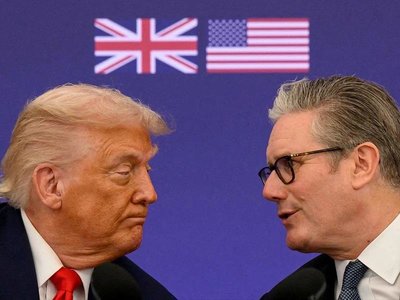
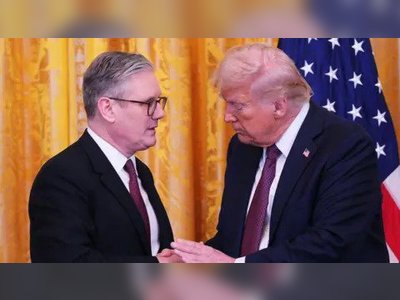
British efforts to recalibrate relations with China have encountered a clear and immediate pushback from Beijing, illustrating the complexities that come with attempting to pivot away from traditional alignment with Washington.
In recent weeks China’s foreign ministry has publicly rebuked the British government for expanding its British National (Overseas) visa route for Hong Kong residents following the imposition of a lengthy prison sentence on pro-democracy activist Jimmy Lai.
Beijing characterised the move as interference in its internal affairs and sharply criticised London’s approach, even as British officials defend the visa extension as a humanitarian response to political repression in Hong Kong.
The episode followed high-profile diplomatic engagement earlier in 2026, including British Prime Minister Keir Starmer’s visit to Beijing, which was intended to strengthen trade ties and secure economic benefits such as visa-free travel and tariff reductions on certain British exports.
Ministers framed the trip as part of a broader strategy to diversify the UK’s economic partnerships and reduce overdependence on the United States against a backdrop of mounting geopolitical uncertainty in Washington.
But China’s reaction to the visa announcement and its stern public rhetoric underlined Beijing’s sensitivity to what it perceives as challenges to its core political interests and highlighted the limits of diplomatic hedging.
Analysts say the dynamic shows how difficult it is for middle powers like the United Kingdom to balance relations between the world’s two great powers.
While Western capitals have increasingly sought closer economic engagement with China amid concerns about unpredictable US foreign policy, Beijing’s assertive responses remind London that economic partnerships with China remain tightly bound to political and ideological red lines set by the Chinese Communist Party.
Critics of the UK strategy note that concessions such as trade facilitation or diplomatic visits cannot fully insulate Britain from retaliatory criticism when it pursues policies that Beijing sees as contrary to its strategic interests.
The broader context also includes security concerns in Britain over Chinese influence, including warnings from domestic intelligence agencies about espionage and academic interference, which have further complicated diplomatic relations.
Within the UK government, there is recognition of China’s importance as a trading partner and investor, but there is also a firm commitment to upholding human rights and national security, creating an ongoing tension in bilateral policy.
The recent exchanges between London and Beijing underscore that, despite efforts to diversify diplomatic and economic ties, realigning away from long-standing partnership with the United States still entails significant strategic and political obstacles.
British officials have indicated that they will continue engaging with China pragmatically, seeking cooperation where interests align while resisting pressure to subordinate national values to economic objectives.
Whether this calibrated approach can withstand future diplomatic friction remains an open question as global geopolitical competition continues to evolve.
In recent weeks China’s foreign ministry has publicly rebuked the British government for expanding its British National (Overseas) visa route for Hong Kong residents following the imposition of a lengthy prison sentence on pro-democracy activist Jimmy Lai.
Beijing characterised the move as interference in its internal affairs and sharply criticised London’s approach, even as British officials defend the visa extension as a humanitarian response to political repression in Hong Kong.
The episode followed high-profile diplomatic engagement earlier in 2026, including British Prime Minister Keir Starmer’s visit to Beijing, which was intended to strengthen trade ties and secure economic benefits such as visa-free travel and tariff reductions on certain British exports.
Ministers framed the trip as part of a broader strategy to diversify the UK’s economic partnerships and reduce overdependence on the United States against a backdrop of mounting geopolitical uncertainty in Washington.
But China’s reaction to the visa announcement and its stern public rhetoric underlined Beijing’s sensitivity to what it perceives as challenges to its core political interests and highlighted the limits of diplomatic hedging.
Analysts say the dynamic shows how difficult it is for middle powers like the United Kingdom to balance relations between the world’s two great powers.
While Western capitals have increasingly sought closer economic engagement with China amid concerns about unpredictable US foreign policy, Beijing’s assertive responses remind London that economic partnerships with China remain tightly bound to political and ideological red lines set by the Chinese Communist Party.
Critics of the UK strategy note that concessions such as trade facilitation or diplomatic visits cannot fully insulate Britain from retaliatory criticism when it pursues policies that Beijing sees as contrary to its strategic interests.
The broader context also includes security concerns in Britain over Chinese influence, including warnings from domestic intelligence agencies about espionage and academic interference, which have further complicated diplomatic relations.
Within the UK government, there is recognition of China’s importance as a trading partner and investor, but there is also a firm commitment to upholding human rights and national security, creating an ongoing tension in bilateral policy.
The recent exchanges between London and Beijing underscore that, despite efforts to diversify diplomatic and economic ties, realigning away from long-standing partnership with the United States still entails significant strategic and political obstacles.
British officials have indicated that they will continue engaging with China pragmatically, seeking cooperation where interests align while resisting pressure to subordinate national values to economic objectives.
Whether this calibrated approach can withstand future diplomatic friction remains an open question as global geopolitical competition continues to evolve.