

Bullying and toxic culture at one of England's largest NHS trusts - report
The Bewick report was ordered after a BBC Newsnight investigation heard from staff at University Hospitals Birmingham (UHB) saying a climate of fear had put patients at risk.
It cites anger that senior staff did not attend the funeral of Vaish Kumar, a junior doctor who killed herself.
The West Midlands trust said it fully accepted the report's recommendations.
The trust is responsible for Queen Elizabeth (QE), Heartlands, Good Hope and Solihull hospitals.
A first phase of the rapid review, headed by independent consultants IQ4U and led by Prof Mike Bewick, was published at 11:30 BST.
It is one of three major reviews into the trust, commissioned following a series of reports by Newsnight and BBC West Midlands in which current and former staff raised concerns.
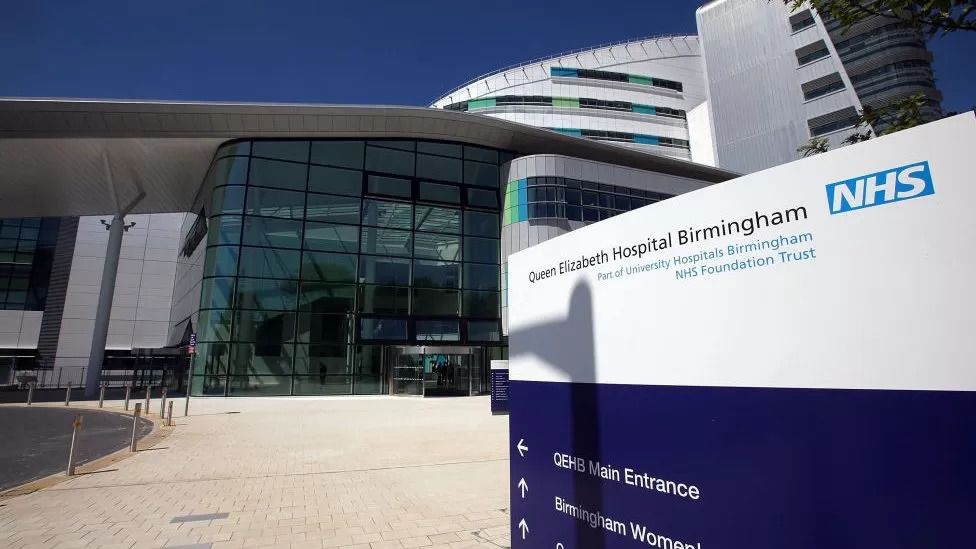 Some clinical safety concerns at the trust, which runs the Queen Elizabeth Hospital, were found by the review
Summarising the findings, Prof Bewick, a former NHS England deputy medical director, said: "Our overall view is that the trust is a safe place to receive care.
"But any continuance of a culture that is corrosively affecting morale and in particular threatens long-term staff recruitment and retention will put at risk the care of patients across the organisation - particularly in the current nationwide NHS staffing crisis.
"Because these concerns cover such a wide range of issues, from management organisation through to leadership and confidence, we believe there is much more work to be done in the next phases of review to assist the trust on its journey to recovery."
Prof Bewick's report examines how leadership reacted to the death of Dr Kumar, 35, a junior doctor at the QE Hospital who left a suicide note blaming her death entirely on the place where she worked.
Dr Ravi Kumar, her father, said he strongly believed the QE had "destroyed" his daughter.
The report says while the funeral service was live-streamed for staff, there was "disappointment and anger" it was not attended by senior colleagues.
It said "many felt that the trust had kept itself at arm's length from the Kumar family".
The report also says a senior member of staff was not aware of Dr Kumar's death and emailed her personally 26 days later to ask why she was removed from her post and if she was still being paid.
While steps have been taken to reach out to her family and "develop learning going forward", the report adds: "The response to an event like this can only partly be met by updated guidelines and policies... but more significantly [the trust] needs a fundamental shift in the way an organisation demonstrably cares about its staff as people."
The junior doctor's father said: "[The trust] should come out openly and accept this has happened, they should find out who the people are who are responsible for this and take appropriate action.
"Otherwise people will not have confidence in any of these inquiry panels and committees if there is no visible action."
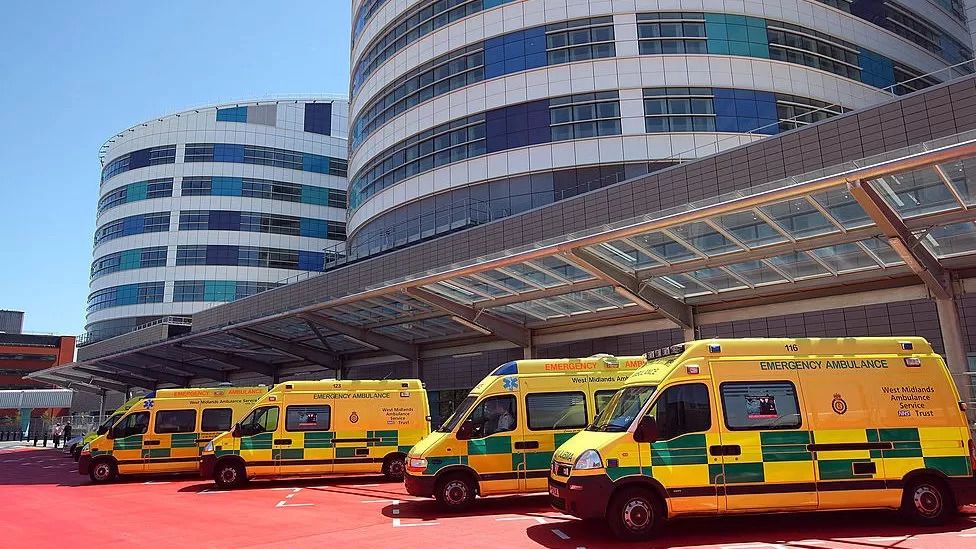 University Hospitals Birmingham's chief executive said concerns had already started to be addressed
Prof Bewick's report highlights three main concerns:
* Several areas where clinical safety concerns exist and levels of staffing, particularly in nursing at Good Hope Hospital
* Clear evidence cultural problems at the trust persist and require serious attention. Concerns cover management organisation, leadership and confidence
* An organisation that is culturally very reluctant to accept criticism
It makes four overall recommendations to improve clinical safety, governance and leadership, staff welfare and culture.
Jonathan Brotherton, the trust's current chief executive, said he was pleased Prof Bewick's overall view was "that the trust is a safe place to receive care".
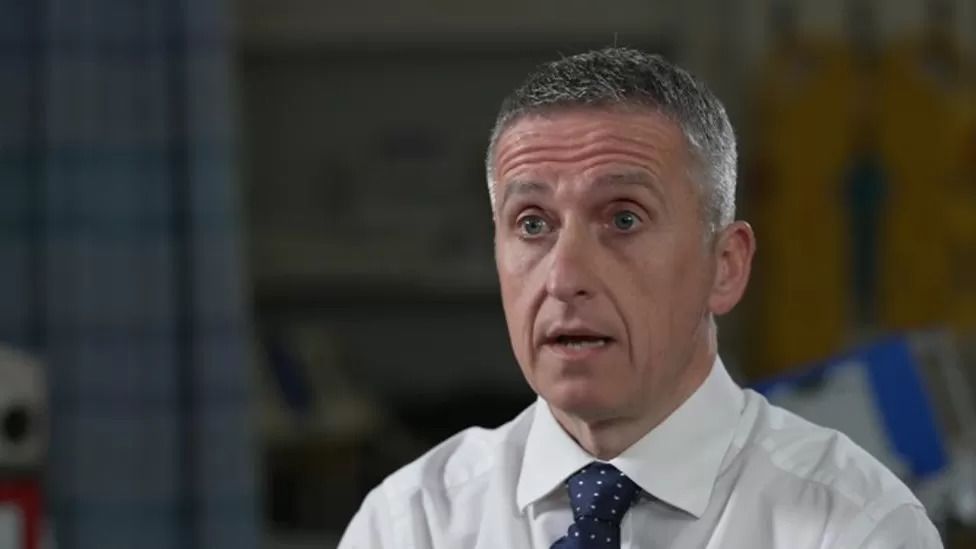 Jonathan Brotherton has been in his post at the trust for three months
"We fully accept his recommendations and welcome the additional assurance that has been asked for through further independent oversight," he said.
"There are a number of significant concerns that we need to, and have started to, address; we will continue to learn from the past, as we move forward.
"We want to develop a positive, inclusive work environment where people want to come to work, in a place that they are proud to work in, to do their very best for our patients.
"While we will not be able to fix things as quickly as I would like, we do need to do it as quickly as possible, for the benefit of patients and staff. I am committed to ensuring this happens."
On the day of the report's publication, it was announced Mr Brotherton's predecessor, Prof David Rosser, would be retiring.
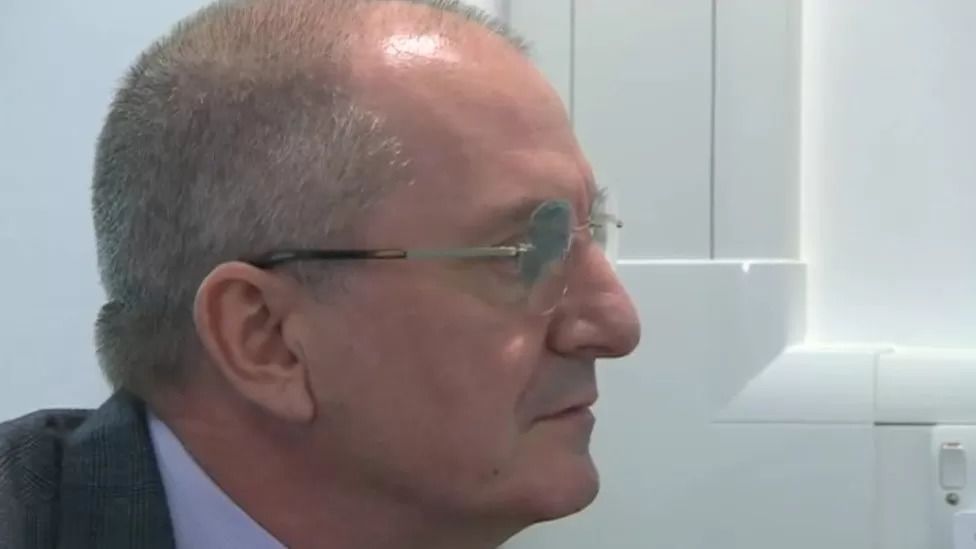 Former chief executive, Prof David Rosser, left his position in December
He ran UHB from September 2018 until December 2022, when he left to become the region's strategic director for digital health and care.
The report says following his appointment, the culture of the trust seemed to "evolve further" to one that lacked "kindness and empathy".
"We received substantial evidence of how these behaviours affected significant numbers of staff included in the review and how certain specialties deteriorated as a result," it said.
A spokesperson for the NHS Birmingham and Solihull Integrated Care Board (ICB) said: "Dave Rosser has taken the decision to retire and will therefore no longer be continuing in his role as director for digital health and care."
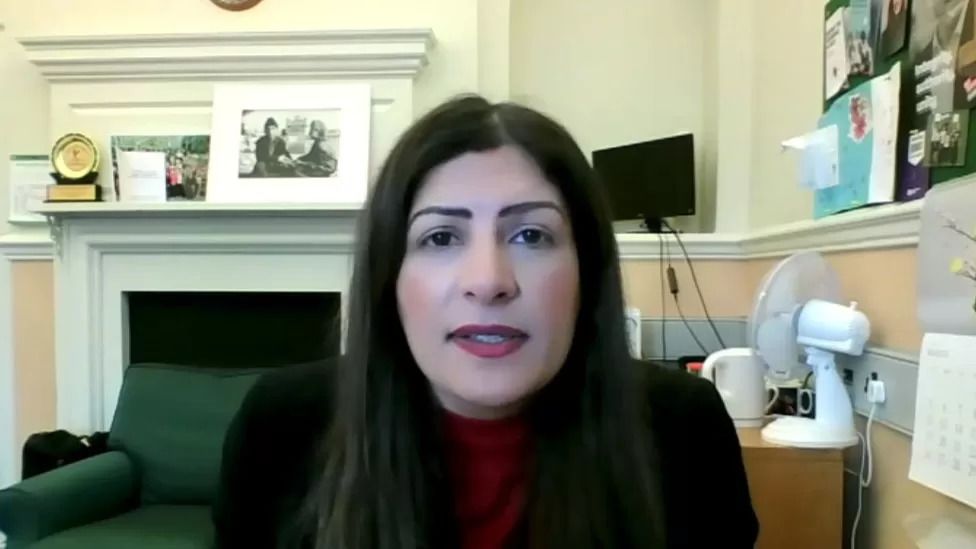 Labour MP For Birmingham Edgbaston, Preet Gill, is heading a cross-party reference group
David Melbourne, chief executive at the ICB, said the review made for "difficult reading" and confirmed a cross-party reference group which supported the review, led by Edgbaston Labour MP Preet Gill, would be involved in the second and third reports.
Ms Gill said: "What isn't clear at this stage is who is going to commission [the report's] recommendations, when they will take place and who will hold accountability and responsibility for those, because I don't believe some of those can wait."
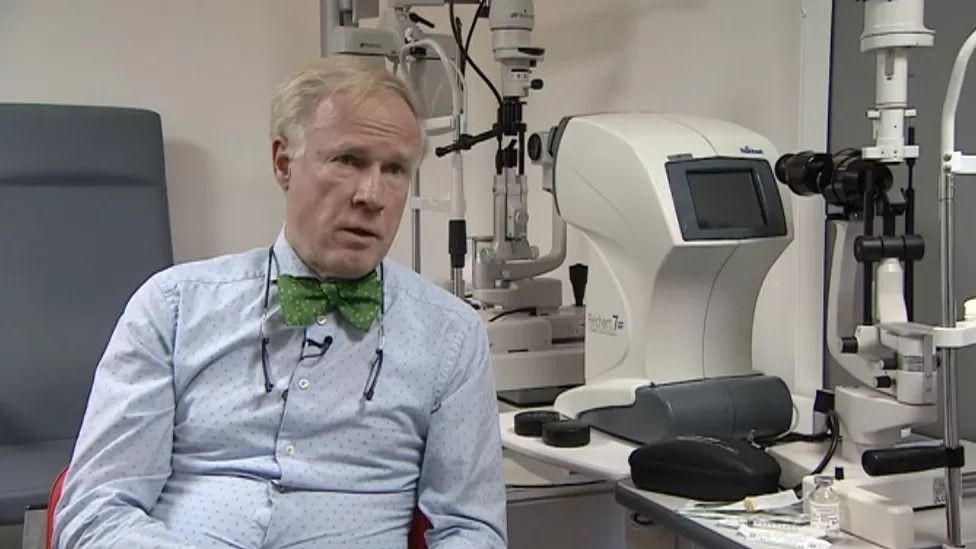 Dr Tristan Reuser was referred to the GMC after raising concerns about a
lack of nurses to support operations at the Heart of England NHS Trust,
which merged with UHB in 2018
Dr Tristan Reuser was referred to the GMC after raising concerns about a
lack of nurses to support operations at the Heart of England NHS Trust,
which merged with UHB in 2018
Richard Burden, who chairs Healthwatch Birmingham and Solihull, said the report "paints a disturbing picture of serious failings" adding patients needed greater reassurance UHB was safe.
"This interim report and the upcoming reviews into culture and governance must not be the end but the beginning of an urgent process of learning and transformative change at UHB," he said.
"Everyone with a degree of influence in the local health sector owes it to patients, the dedicated staff who care for them and the memory of Dr Kumar to work together to ensure the deep-seated problems at UHB are tackled quickly and effectively."
Dr Tristan Reuser, an eye specialist who won an employment tribunal for wrongful dismissal after whistleblowing at the trust, added: "All the people who have been participating in this culture of fear... they need to go because these people have been a part of this and the perception of how this trust is governed will not change unless these people go, in my view."
The second and third reviews, covering governance and culture at the trust, are expected to be published by June.