

Budget 2021: What has already been announced?
Statements from the government setting out spending for transport, health and education have been put out in the past few days.
Commons Speaker Lindsay Hoyle is furious, telling MPs on Monday it was "not acceptable" to brief the media ahead of MPs and on Tuesday that the government was behaving in a "discourteous manner".
He thundered that ministers used to "walk" if they briefed about a Budget.
Indeed, in 1947, then-Chancellor Hugh Dalton resigned after he leaked details of his budget to a journalist.
Defending pre-Budget announcements, Treasury Minister Simon Clarke said the government had not commented on the "substantive tax measures" that would appear in the Budget.
So what do we know?
Firstly, this isn't the complete story.
Rishi Sunak's Budget won't all be about displays of generosity. The Treasury has asked departments to identify "at least 5% of savings and efficiencies from their day-to-day budgets" and we may hear more about those plans on Wednesday.
The government has already committed to spending for health, schools, defence and overseas aid so other areas such as local government, justice and further education may face a squeeze on their budgets.
And there may be more to some of the seemingly lavish spending pledges than meets the eye.
A word of caution
Analysis by political correspondent Damian Grammaticas
Beware what you are reading! They sound good, all these announcements in the run up to Budget and Spending Review.
But they need to be taken with caution. This is the PR blitz seeking good headlines. We don't yet know the detail of exactly what the government is planning.
The raft of investments will make a difference. But there are questions.
Are the transport links, treatment centres and other projects entirely new or have some parts been announced (with equal fanfare) before now?
Crucially what is happening more broadly to the budgets of the departments getting cash?
A shiny investment in something is great, but is that department's day-to-day spending being squeezed? And what of those areas that aren't getting the handouts?
Best to wait until Wednesday to truly judge the chancellor's largesse.
Transport
The government has announced that England's city regions will receive £6.9bn to spend on train, tram, bus and cycle projects.
This includes £1.07bn for Greater Manchester, £1.05bn for the West Midlands and £830m for West Yorkshire.
However, the figure of £6.9bn only includes £1.5bn of additional spending because the government is including the £4.2bn promised in 2019 alongside funding for buses announced by the prime minister last year.
The chancellor has refused to be drawn on the future of the eastern leg of High Speed Two, which could be delayed or cancelled to save an estimated £40bn. If built, the extension would cut journey times between London and the North East by 31 minutes. It would also shave 52 minutes off trips between London and Leeds.
Scotland, Wales and Northern Ireland will also receive extra funding through the Barnett formula - a mechanism the UK government uses to allocate additional money to the devolved nations when it spends more in England.
Health
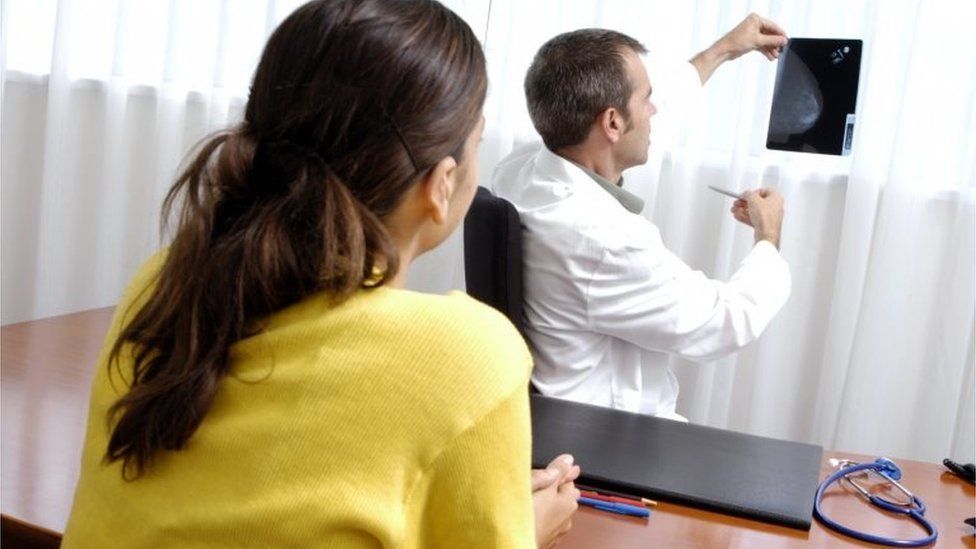
NHS England will get £5.9bn to tackle the backlog of people waiting for tests and scans. That covers £2.3bn for diagnostic tests including clinics in shopping centres for scans; £1.5bn on beds equipment and new "surgical hubs"; and £2.1bn to improve IT.
Health bodies welcomed the money but warned it would not solve the problem of staff shortages. According to data published by NHS digital, in June there were 93,806 full-time vacancies across the NHS in England.
National Living Wage rise
Mr Sunak is set to announce a rise in the National Living Wage from £8.91 per hour to £9.50, to come into effect from 1 April next year.
This is a 6.6% increase in the minimum wage for all those aged 23 and over - more than twice the current 3.1% rise in the cost of living.
Assuming a 40 hour week, the new minimum wage amounts to a salary of £1,646 per month or £19,760 a year.
The increases to the wage rates follow recommendations made by the Low Pay Commission, an independent advisory board.
The Treasury has also announced it will be lifting a pay freeze imposed on millions of public sector workers last year as a result of the pandemic.
Independent pay review bodies will recommend how much extra money workers will get early next year.
Taxes
The government's major tax change has already been announced, as earlier this year the prime minister told MPs he would introduce a tax in England designed to tackle the NHS backlog caused by the Covid pandemic and later to pay for social care.
However, we know a few other changes (or rather lack of changes) that will be announced on Wednesday.
Campaigners for a freeze in fuel duty have been told to expect the levy to be frozen for a twelfth year in a row.
And separately, the BBC has been told VAT on household energy would not be cut.
Health research
The health department will get £5bn over the next three years for research and development.
This includes £95m which will go towards researching methods for treating cancer, obesity and mental health.
The money will also be spent on developing genome technology which could detect more than 200 conditions in newborn babies.
Education and skills
£2.6bn will be spent on creating 30,000 new school places for children with special educational needs and disabilities.
The money will also go towards improving school buildings' accessibility and funding new, special provision in free schools England.
The Budget will also include £1.6bn over three years to roll out new T-levels for 16 to 19-year-olds plus £550m for adult skills in England.
Currently there are about 2,000 students on T-level courses, but the government hopes to ramp up those numbers.
Geoff Barton, general secretary of the Association of School and College Leaders, warned that the extra money was a "gamble" as it was unclear how many would want to take the qualification.
The government will also spend a further £830m modernising colleges in England.
Housing
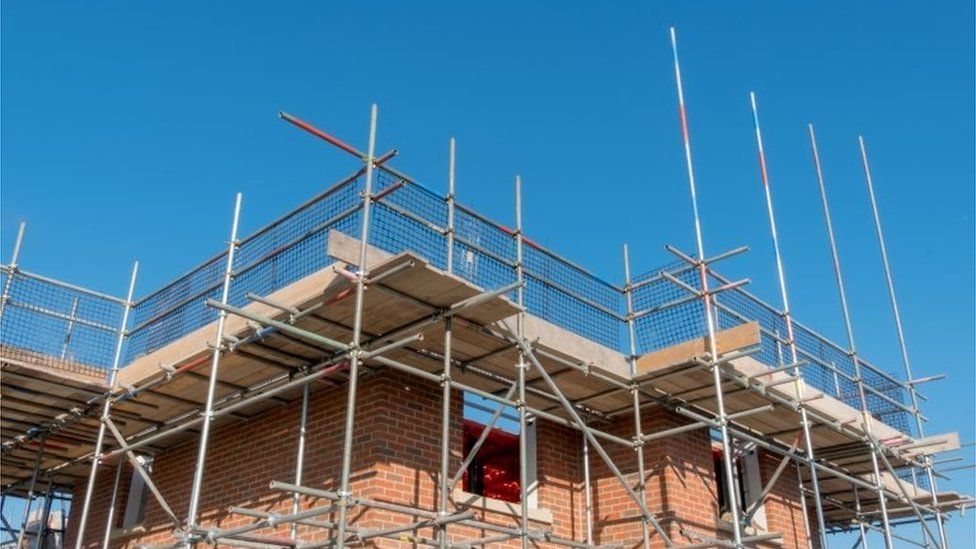
The Treasury is allocating £1.8bn for building around 160,000 new homes on derelict or unused land - also known as brownfield sites - in England.
An extra £9m will also go towards allowing councils to turn neglected urban spaces into "pocket parks" roughly the size of a tennis court.
The chancellor is also expected to confirm £65m for digitising England's planning system.
Research and business
Grants worth £1.4bn will be given to "internationally mobile" companies to invest in UK infrastructure.
This includes £345m aimed at increasing resilience for future pandemics and £800m for the production of electric vehicles in north-east England and the Midlands.
As part of the package, a talent network team will aim to attract high-skilled workers to the UK, through "innovation hotspots" initially based in San Francisco and Boston in the US and Bengaluru in India.
Families and children
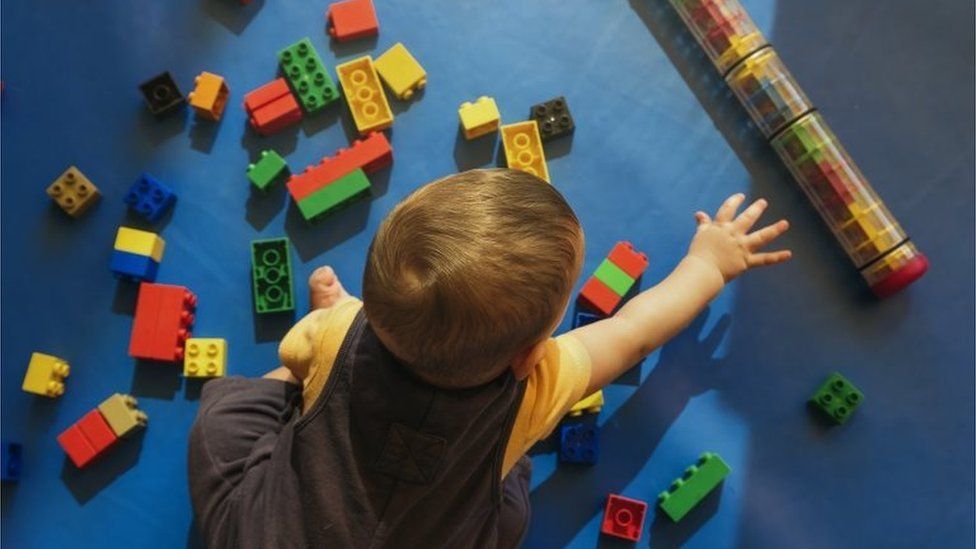
The government has announced £500m to support parents and children in England.
This includes £200m to support families with complex issues; £82m to fund centres in 75 different areas to provide advice for parents; £100m for mental health support for expectant parents; and £50m for breastfeeding support.
Labour has argued that the government previously closed over 1,000 children's centres - known as Sure Start centres - and that this new announcement "rings hollow".
Mr Sunak defended past cuts, arguing that the new funding would "create a network of family hubs which are broader than the Sure Start centres".
Other spending announcements
* £850m to restore museums and art galleries including the V&A in London and Tate Liverpool; £125m for a scientific research centre in Oxfordshire and £75m for regional museums
* £700m to protect UK borders including £74m for a new fleet of patrol boats
* £700m for football pitches, tennis courts and youth facilities
* £435m to prevent crime, protect communities and help victims in England and Wales
* £150m for the British Business Bank to encourage development of Dragons' Den-style regional investors outside of London and south east
* £5m for research grants to develop new surgery and treatment options for amputees and blast victims
* A tax change to encourage shipping companies to the UK