London Daily

Focus on the big picture.
Wednesday, Jan 28, 2026

Boris Johnson promises action over rising energy bills

Boris Johnson promises action over rising energy bills

Boris Johnson says he is talking to Chancellor Rishi Sunak over how the government could help people with soaring energy prices.

The prime minister is under pressure to act on rising household costs, ahead of further increases to capped bills due in April.

Some Tory MPs want cuts to green levies and VAT to help bring bills down.

Labour, which also wants VAT suspended, is also demanding higher taxes on oil and gas producers.

The party said it would use money from the hike to pay for more generous government payments to help poorer households with costs.

On Monday, Mr Johnson said ministers understood the difficulties people were facing, and "we're certainly looking at what we can do".

Trade body Energy UK predicts bills will surge by up to 50% in April, when the change to the price cap, due to be determined in February, kicks in.

There have been warnings that average households could pay about £700 more per year, amid surging prices for wholesale gas worldwide.

Speaking to reporters during a visit to a vaccination centre, Mr Johnson said rises were driven by "general inflationary pressure" caused by the world economy "coming back from Covid".

But he added: "We've got to help people, particularly people in low incomes, we've got to help people with the cost of their fuel - and that's what we're going to do."

Asked if he would meet Mr Sunak this week, he replied: "I've been meeting the chancellor constantly. I met the chancellor last night to talk about it."

Mr Johnson is expected to hold his first formal discussions with Mr Sunak on Monday, although a decision on what to do is not expected imminently.
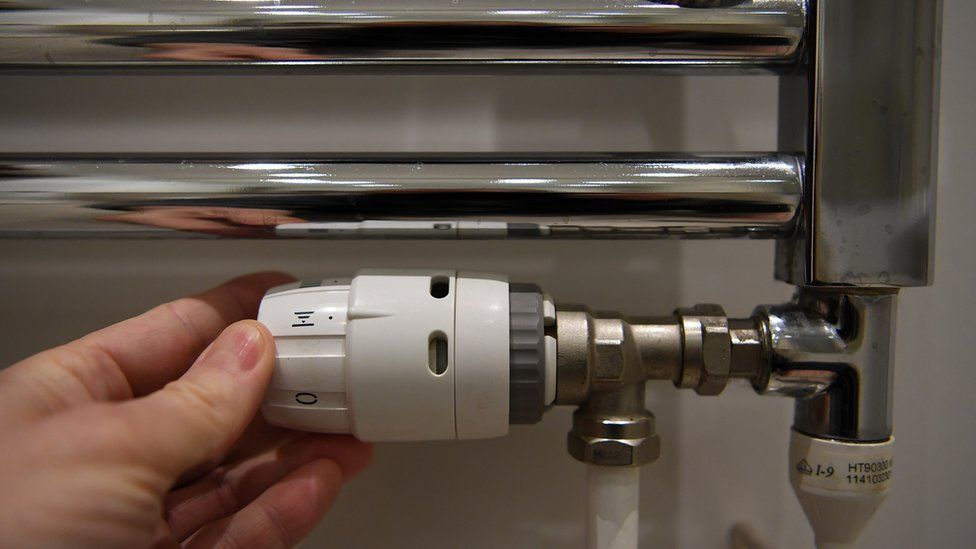
Experts predict average annual bills could rise to about £2,000 next year


Labour is warning that the expected increase in the energy cap from April, in combination with the planned rise in National Insurance on workers, will lead to a cost of living crisis for many households.

The party wants an extra £3.5bn to be spent on the warm homes discount, increasing it from £140 to £400 per year, while doubling the number of households eligible to 9.3 million, around a third of the UK total.

It also wants to remove the 5% VAT rate on domestic energy bills from April for 12 months, which it says would produce an annual saving of £89 per household.

The party says it would pay for its plans through a year-long 10 percentage point increase to the corporation tax paid by North Sea energy producers on their profits, along with higher-than expected VAT receipts due to inflation.

Labour leader Sir Keir Starmer said his party was "stepping into the vacuum of leadership that the government has left with a plan to actually reduce bills".

Labour will attempt to use a Commons debate on Tuesday to set up a vote next month on its proposals for a VAT cut.

'Raking it in'


The Liberal Democrats have also called for a windfall tax on energy firms to pay more more generous support for poorer households, and its ten-year plan to improve home insulation.

Speaking last week, leader Sir Ed Davey said: "It can't be right that a few energy fat cats are raking it in from record gas prices while millions of people can't even afford to heat their homes."

But Oil and Gas UK, the offshore industry body, has said a windfall tax would offer "false hope" to consumers and damage the UK economy.

It argues the levy would not benefit users long-term, as it would discourage investment and make the UK more reliant on imported foreign gas.

Mr Johnson is also facing pressure from his own side to take action in the coming weeks to reduce costs on households.

Earlier this month, a group of Tory MPs and peers called on him to scrap VAT on bills, and review levies to help for government environmental policies.

On Monday, Conservative MP Stephen McPartland told the BBC the government should introduce "credit facilities" to help energy firms cope with volatile prices.

He said this would allow firms to draw on financial reserves as an alternative to increasing the government cap on standard tariffs from April.

Last week, Mr Johnson argued that a VAT cut would be too "blunt" a tool, as it would affect all households, including the richest, rather than targeting those most in need.


Johnson: Price rises making life very tough for people


Newsletter

Related Articles

0:00
0:00
Close
Wall Street Bets on Strong US Growth and Currency Moves as Dollar Slips After Trump Comments
UK Prime Minister Traveled to China Using Temporary Phones and Laptops to Limit Espionage Risks
Google’s $68 Million Voice Assistant Settlement Exposes Incentives That Reward Over-Collection
Kim Kardashian Admits Faking Paparazzi Visit to Britney Spears for Fame in Early 2000s
UPS to Cut 30,000 More Jobs by 2026 Amid Shift to High-Margin Deliveries
France Plans to Replace Teams and Zoom Across Government With Homegrown Visio by 2027
Trump Removes Minneapolis Deportation Operation Commander After Fatal Shooting of Protester
Iran’s Elite Wealth Abroad and Sanctions Leakage: How Offshore Luxury Sustains Regime Resilience
U.S. Central Command Announces Regional Air Exercise as Iran Unveils Drone Carrier Footage
Four Arrested in Andhra Pradesh Over Alleged HIV-Contaminated Injection Attack on Doctor
Hot Drinks, Hidden Particles: How Disposable Cups Quietly Increase Microplastic Exposure
UK Banks Pledge £11 Billion Lending Package to Help Firms Expand Overseas
Suella Braverman Defects to Reform UK, Accusing Conservatives of Betrayal on Core Policies
Melania Trump Documentary Sees Limited Box Office Traction in UK Cinemas
Meta and EssilorLuxottica Ray-Ban Smart Glasses and the Non-Consensual Public Recording Economy
WhatsApp Develops New Meta AI Features to Enhance User Control
Germany Considers Gold Reserves Amidst Rising Tensions with the U.S.
Michael Schumacher Shows Significant Improvement in Health Status
Greenland’s NATO Stress Test: Coercion, Credibility, and the New Arctic Bargaining Game
Diego Garcia and the Chagos Dispute: When Decolonization Collides With Alliance Power
Trump Claims “Total” U.S. Access to Greenland as NATO Weighs Arctic Basing Rights and Deterrence
Air France and KLM Suspend Multiple Middle East Routes as Regional Tensions Disrupt Aviation
U.S. winter storm triggers 13,000-plus flight cancellations and 160,000 power outages
Poland delays euro adoption as Domański cites $1tn economy and zloty advantage
White House: Trump warns Canada of 100% tariff if Carney finalizes China trade deal
PLA opens CMC probe of Zhang Youxia, Liu Zhenli over Xi authority and discipline violations
ICE and DHS immigration raids in Minneapolis: the use-of-force accountability crisis in mass deportation enforcement
UK’s Starmer and Trump Agree on Urgent Need to Bolster Arctic Security
Starmer Breaks Diplomatic Restraint With Firm Rebuke of Trump, Seizing Chance to Advocate for Europe
UK Finance Minister Reeves to Join Starmer on China Visit to Bolster Trade and Economic Ties
Prince Harry Says Sacrifices of NATO Forces in Afghanistan Deserve ‘Respect’ After Trump Remarks
Barron Trump Emerges as Key Remote Witness in UK Assault and Rape Trial
Nigel Farage Attended Davos 2026 Using HP Trust Delegate Pass Linked to Sasan Ghandehari
Gold Jumps More Than 8% in a Week as the Dollar Slides Amid Greenland Tariff Dispute
BlackRock Executive Rick Rieder Emerges as Leading Contender to Succeed Jerome Powell as Fed Chair
Boston Dynamics Atlas humanoid robot and LG CLOiD home robot: the platform lock-in fight to control Physical AI
United States under President Donald Trump completes withdrawal from the World Health Organization: health sovereignty versus global outbreak early-warning access
FBI and U.S. prosecutors vs Ryan Wedding’s transnational cocaine-smuggling network: the fight over witness-killing and cross-border enforcement
Trump Administration’s Iran Military Buildup and Sanctions Campaign Puts Deterrence Credibility on the Line
Apple and OpenAI Chase Screenless AI Wearables as the Post-iPhone Interface Battle Heats Up
Tech Brief: AI Compute, Chips, and Platform Power Moves Driving Today’s Market Narrative
NATO’s Stress Test Under Trump: Alliance Credibility, Burden-Sharing, and the Fight Over Strategic Territory
OpenAI’s Money Problem: Explosive Growth, Even Faster Costs, and a Race to Stay Ahead
Trump Reverses Course and Criticises UK-Mauritius Chagos Islands Agreement
Elizabeth Hurley Tells UK Court of ‘Brutal’ Invasion of Privacy in Phone Hacking Case
UK Bond Yields Climb as Report Fuels Speculation Over Andy Burnham’s Return to Parliament
America’s Venezuela Oil Grip Meets China’s Demand: Market Power, Legal Shockwaves, and the New Rules of Energy Leverage
TikTok’s U.S. Escape Plan: National Security Firewall or Political Theater With a Price Tag?
Trump’s Board of Peace: Breakthrough Diplomacy or a Hostile Takeover of Global Order?
×