

Belgium closes in on Qatargate win
Does tiny Belgium have what it takes to convict the alleged perpetrators of a sprawling corruption scandal that is engulfing the European Parliament?
This question hung over conversations in the corridors of Brussels after emergence of the so-called Qatargate allegations in December. But last week, the Belgian prosecutors made a major breakthrough.
Former Italian EU lawmaker Pier Antonio Panzeri, one of four suspects currently detained in the investigation, last Tuesday struck a deal with Belgian prosecutors to exchange information for a reduced sentence.
Panzeri’s agreement to cooperate with authorities is a big boost — not just for the investigation, but also for the Belgians involved, who have a lot riding on it.
Key Belgian politicians, including Prime Minister Alexander De Croo and European Justice Commissioner Didier Reynders, have been boasting about the independent work of their country’s judiciary, police and intelligence branches, which led to the arrests. For them, it’s a sign Belgium takes its job as a host country of EU institutions very seriously.
The Qatargate scandal has threatened the credibility of those institutions after prosecutors went public with their investigation in early December. Belgian federal police raided at least 20 locations across Brussels, seizing mobile phones, computers and more than €1.5 million in cash. Four people were arrested on preliminary charges, amid claims that the governments of Qatar and Morocco handed out large sums of cash to get EU politicians to do their bidding.
Belgian Justice Minister Vincent Van Quickenborne told POLITICO that through this investigation, the justice department is “showing its teeth.”
“I am confident that the federal prosecutor’s office will do everything possible and get to the bottom of this case,” he said, adding: “It’s no coincidence the law used is the ‘pentiti’ law, because this law was a useful tool in the fight against the Italian mafia.”
The minister is referring to Belgium’s so-called repentants statute, which is being used in the current EU corruption case for only the second time since it was created in 2018. The first — an inquiry into money laundering, bribery and match-fixing in Belgian soccer in 2021 — was also led by Michel Claise, the Belgian investigative magistrate now at the helm of the Qatargate probe.
The second time around, the challenge ahead for Claise — known in Belgium for fighting corruption — is to actually deliver on Qatargate amid widespread leaks to the media from within the investigation.
That means there’s even more pressure on Belgian justice to come up with hard evidence.
Risky leaks
For the defendants, the widespread leaks since the start of the arrests are a bad omen — and welcome ammunition.
Maxim Töller, the lawyer for the Belgian socialist MEP Marc Tarabella, has heavily criticized the investigation. Tarabella’s house was raided and Belgian investigators asked the European Parliament to waive his immunity — although he has not yet been formally charged.
Töller told Claise “there was a huge problem of procedure” due to leaking of key documents to media.
Belgian justice sees the leaks — which include detailed overviews of the investigation, court documents and information from intelligence services — as potentially interfering with the case.
Van Quickenborne told POLITICO last month that the repeated leaking of information is “dangerous” to ensuring justice. The federal prosecutor has opened a separate investigation into the leaks, although this has not stopped them.
The suspects’ defense lawyers could latch onto such leaks to blow procedural holes in the case, or argue that the right to professional secrecy, respect of the presumption of innocence and the right to access sealed documents have been violated. According to the European Convention on Human Rights, every defendant has the right to a “fair and public hearing.”
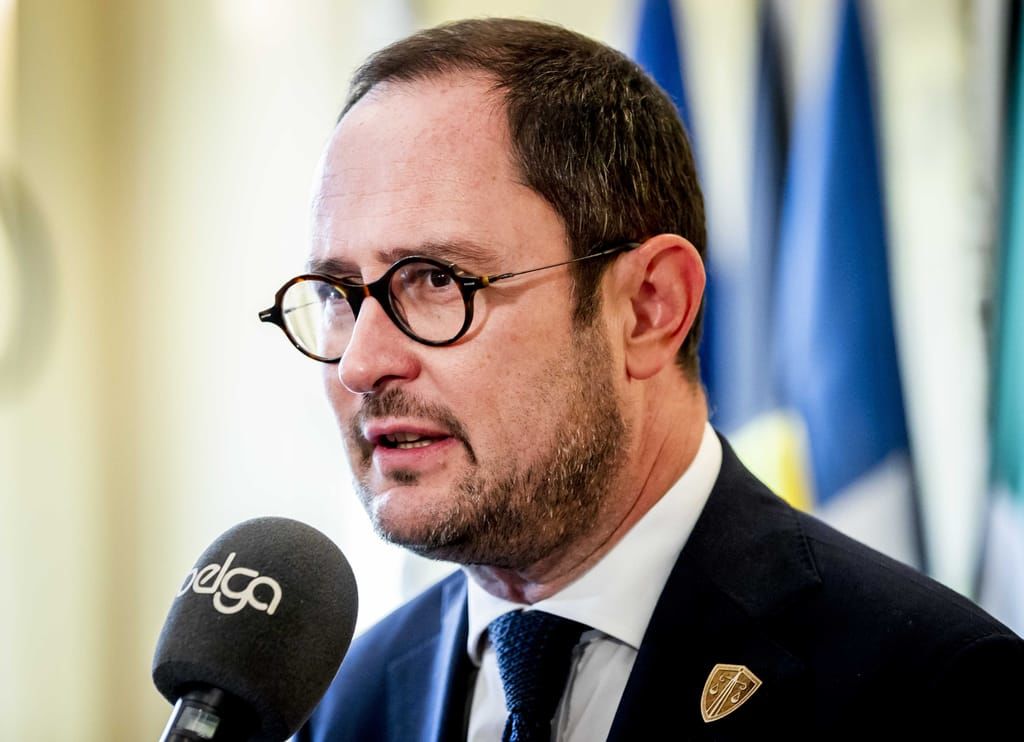 Belgian Justice Minister Vincent Van Quickenborne told POLITICO that
through this investigation, the justice department is “showing its
teeth”
Belgian Justice Minister Vincent Van Quickenborne told POLITICO that
through this investigation, the justice department is “showing its
teeth”
But in practice, leaks rarely lead to the end of a case, said Raf Verstraeten, a legal expert at the University of Leuven.
“Leaks are unfortunate — but the idea that this would destroy the entire trial is a very, very long shot. We’re absolutely not at that point,” he said. According to Verstraeten, much more would have to happen before a trial gets tossed out for being unfair. “The fact that there are leaks is regrettable, but it does not immediately result in a decision that there is no fair trial.”
No more secrets
What the leaks can do is impede cooperation with other police forces and justice systems — and intelligence, which is key for the Belgians. Above all, they risk undermining trust among the various services involved in the case.
The head of the Belgian intelligence agency, Francisca Bostyn, told Belgian media the leaky case “puts us in trouble with our foreign colleagues. Now it looks like Belgium cannot keep any secrets. Frankly, I think it’s a problem that all our methods are being made public.”
Intelligence from Belgian state security and other secret services was key in kicking off the legal investigation. Yet using information from intelligence services is not always straightforward in a criminal investigation, said two investigators who are not involved in this specific case but have worked with intelligence services on other files.
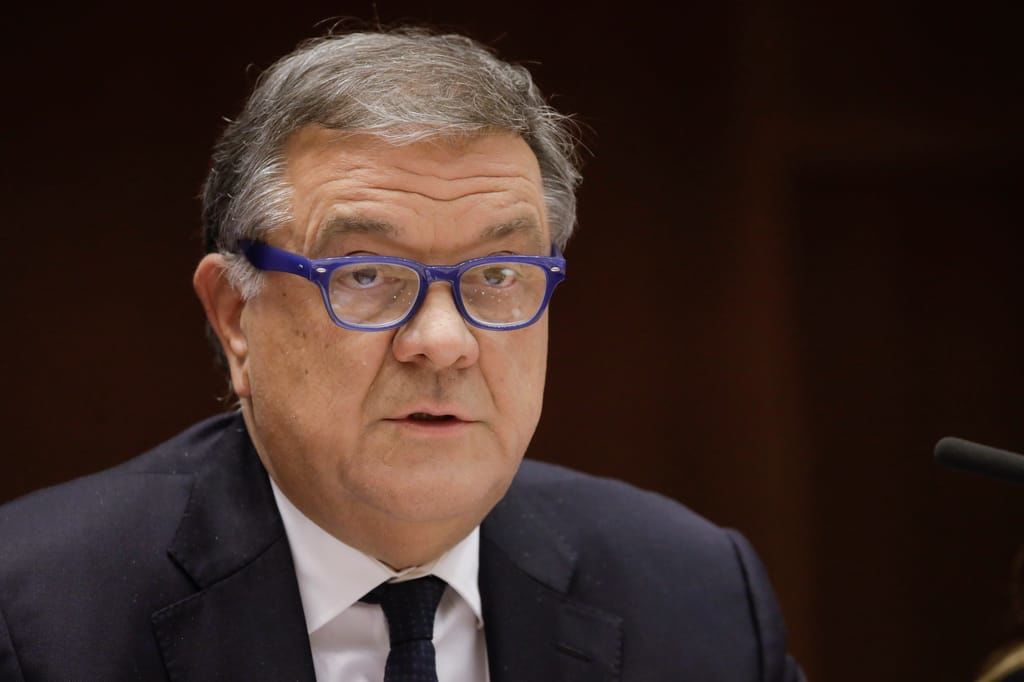 Pier Antonio Panzeri has agreed to disclose the names of those he admits to having bribed
“Intelligence services often provide you with a lot of key information, but not all that information is usable in court,” one said. Nor are sources always disclosable, the investigator pointed out. “That can make it challenging for the investigators and the prosecution to build a solid case.”
In Belgium, information from intelligence services can be used as supporting evidence, but must be accompanied by other evidence.
Analysis of the money seized needs to help prove where it was drawn and by whom. Above all, it must show whether and how the money could indeed be linked to influencing political decision-making in the European Parliament. If that analysis does not provide enough evidence, the investigation could still fall apart.
Panzeri’s cooperation will be key to building that case. If the Italian shares the information he’s pledged to, this could include details of financial arrangements, the countries involved, who benefited and who else took part. Panzeri has also agreed to disclose the names of those he admits to having bribed.
That means for those who still have something to hide, now is the time to get nervous.

