

Battle of Hong Kong frontline volunteer lived to tell his stories
Yeung Ming-hon was 18 and a medical student when he found himself picking up soldiers wounded in the Battle of Hong Kong and attending to their injuries.
Now 98, he is one of the last two living veterans involved in the fall of Hong Kong in 1941. Invading Japanese forces attacked the city from December 8 to 25 that year, overwhelmed British and allied forces, and went on to occupy the city for three years and eight months.
Dementia and old age have left him in a wheelchair and unable to speak or recognise family members, but Yeung loved sharing his wartime stories all his life – even after his memory began to fade.
“He started to talk more about the war. He would repeat his stories and show us his scars,” recalled Anthony Yeung, 58, an insurance agent, one of three sons.
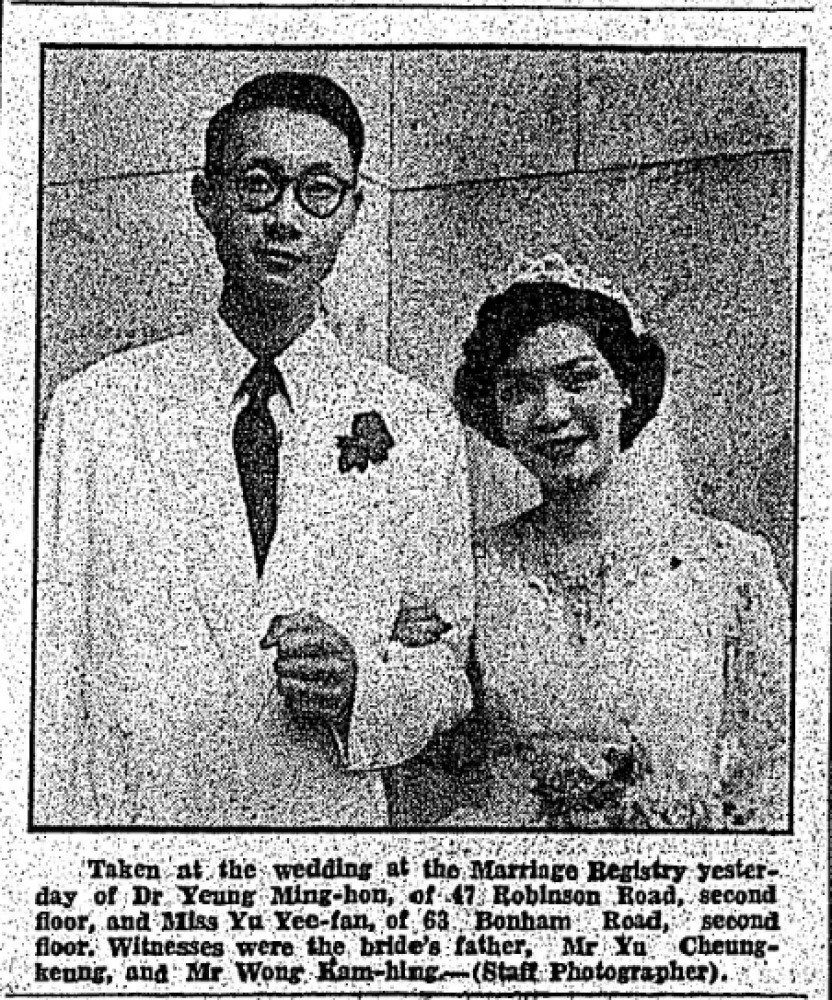 The Post published the wedding photo of Dr Yeung Ming-hon and Yeung Yu Yee-fan on September 22, 1954.
Hoping to keep his father’s story alive, he encouraged Hongkongers to remember the city’s wartime history and veterans. “War is never a good thing, he saw many people get hurt,” he said.
His father was a first-year medical student at the University of Hong Kong (HKU) when he was called up to volunteer in the Field Ambulance Corps just before war broke out.
“My father mentioned that the head of the medical faculty told all students they had to join the volunteers or they would not proceed to their second year,” he said.
According to the Museum of Coastal Defence website, the corps had an intake of more than 100 people of various ages and nationalities, many of them medical students. Its commander was Lieutenant Colonel Lindsay Ride, HKU’s medical dean.
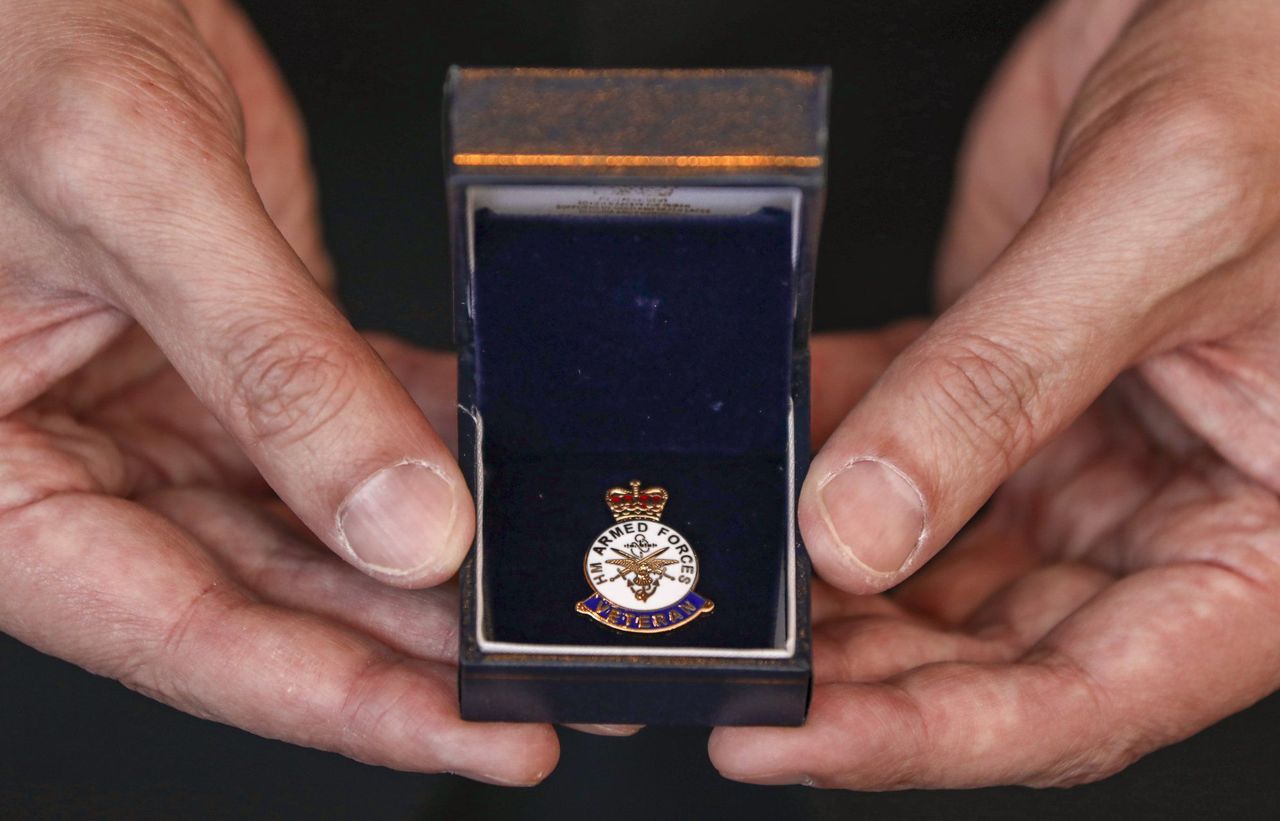 Yeung Ming-hon’s United Kingdom Armed Forces Veteran’s Badge.
Yeung told his family how he had a lucky escape from death.
“He was resting in a hospital wing when a British officer ordered him to go out and tend to the wounded,” Anthony Yeung said. “Very soon after, a mortar hit the building. He wouldn’t have survived if he was still inside.”
However, Yeung was captured by the Japanese towards the end of the Battle of Hong Kong and sent to do manual labour, transporting weapons between Shek O and Stanley using thick ropes and wooden crates.
“He still has the scars from the wooden crates on his back,” Anthony Yeung said.
According to the Battle of Hong Kong database created by Baptist University history Professor Kwong Chi-man, Yeung was sent to a prisoner-of-war camp in Sham Shui Po and released by the Japanese around February 1942.
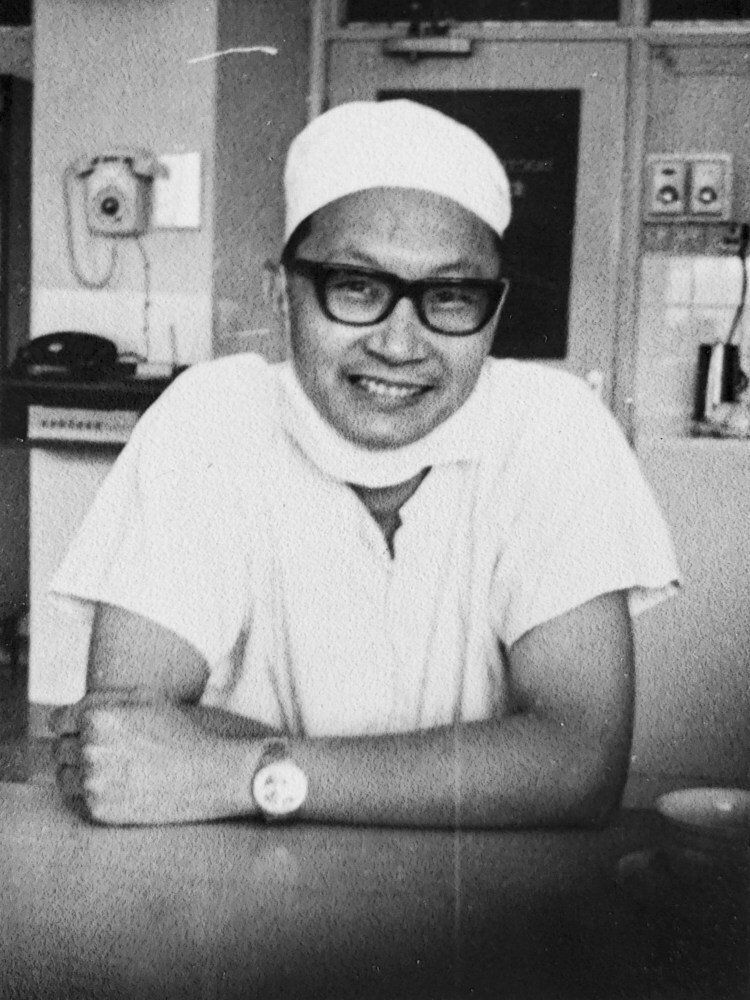 Dr Yeung Ming-hon went on to become a successful anaesthesiologist after the war.
There were at least 1,600 people, both locals and foreigners, who served Hong Kong during the war, according to Kwong.
After Yeung’s release, he fled to mainland China with his parents and siblings, returning after the Japanese surrendered in 1945.
Yeung completed his medical studies at HKU, then qualified as an anaesthetist in Liverpool before returning to Hong Kong. He became a prominent anaesthesiologist, working at the city’s top private hospital, Hong Kong Sanatorium & Hospital, and other private facilities.
He never joined any veterans associations, prompting his son to write to The Royal Hong Kong Regiment (The Volunteers) Association to see if they had more records of his father.
Association president Ronald Taylor found Yeung’s ranks and wartime service number and also recalled meeting him at least a decade ago.
By their next meeting five years later, however, Yeung could no longer remember him. “I wish now I sat longer and talked to him more,” Taylor said.
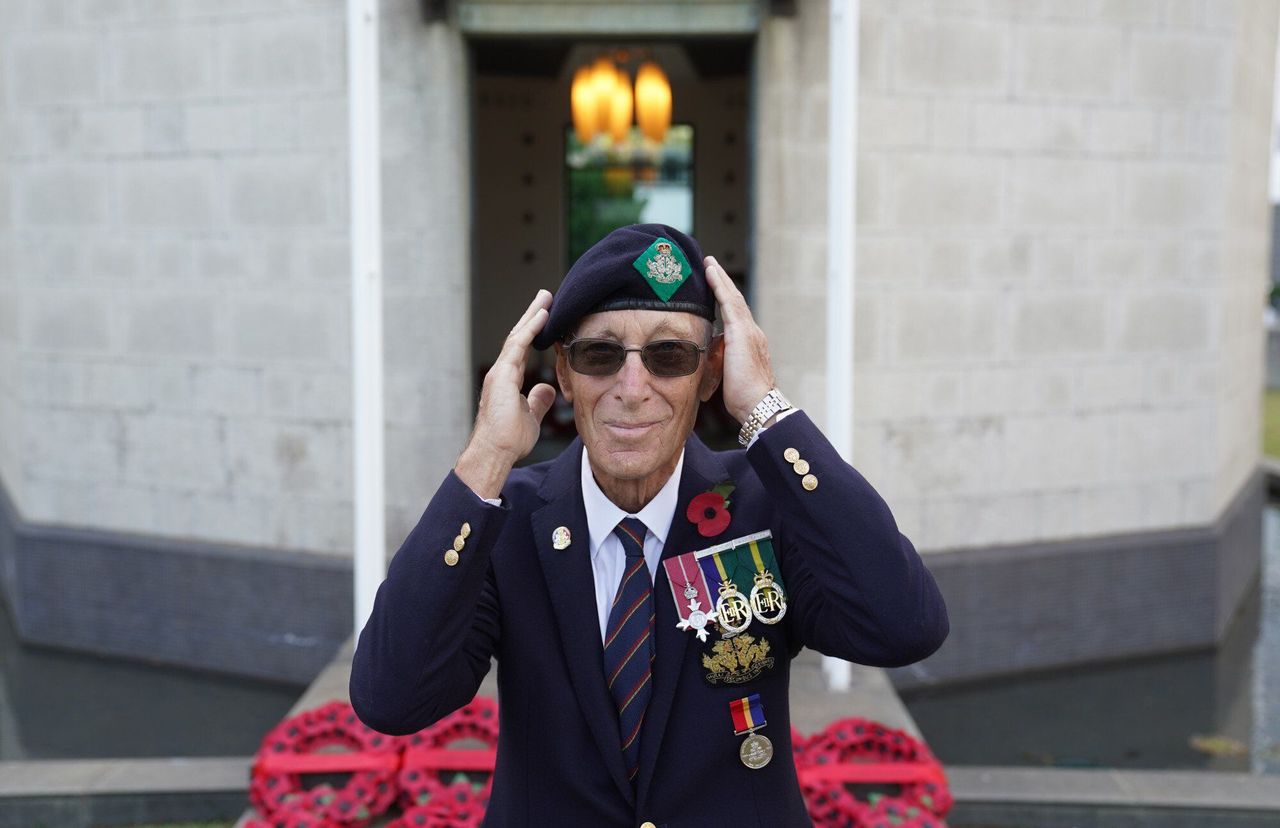 Ronald Taylor, honorary president of the Royal Hong Kong Regiment (The Volunteers) Association.
The other surviving veteran, Robert Lapsley, lives in Australia. Taylor said most members of the Field Ambulance Corps were volunteers.
The association marked the 80th anniversary of the start of the battle on December 8, with a wreath-laying ceremony at City Hall.
Yeung lives with his wife, Yeung Yu Yee-fan, 92, who still accompanies him to lunch outside. The couple married in 1954. Their two other sons, both doctors, live in Canada.
Describing his father as a straightforward, honest man, Anthony Yeung said: “I think the war gave him the mentality that life is limited, so he’s been extremely practical and never afraid to speak his mind.”
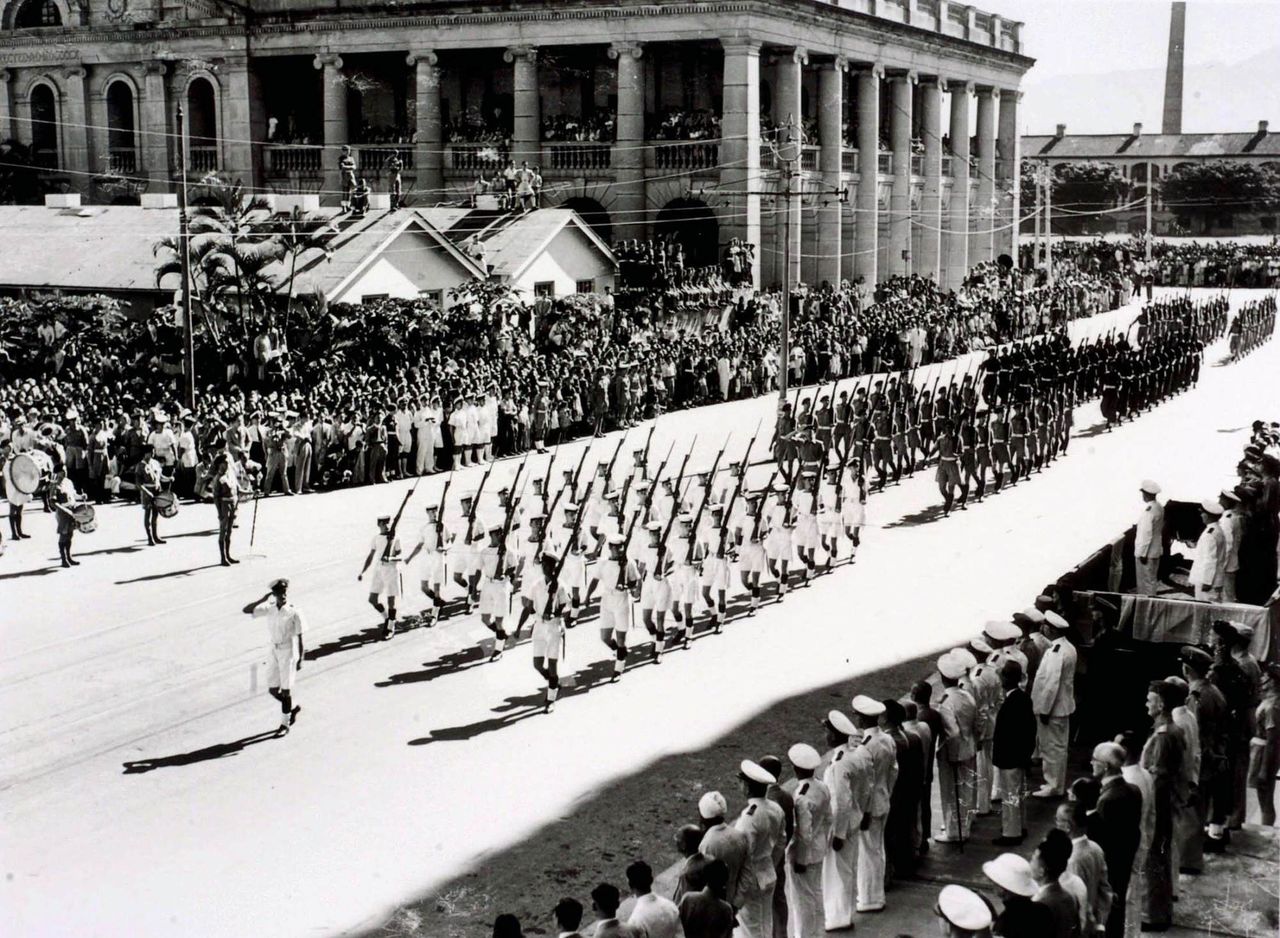 An October 1945 victory parade in Hong Kong’s Central district, two months after the Japanese army announced their surrender.
He said he hoped his father could live to be 100 years old and receive a birthday card from the British monarch. About a decade ago, Britain’s Ministry of Defence awarded him the Veteran’s Badge for his wartime service.
Historian Kwong has added a list of veterans to his Battle of Hong Kong website, which was launched in August to educate people on the horrors and various aspects of war.
The Museum of Coastal Defence, which is currently closed for a revamp, also plans to showcase the story of the Field Ambulance Corps and other units that served in Hong Kong.
Anthony Yeung and the Royal Hong Kong Regiment said they had not been approached to contribute to upcoming exhibitions at the museum, which is managed by the Leisure and Cultural Services Department.