London Daily

Focus on the big picture.
Saturday, Sep 19, 2026

Assisted dying inquiry essential, leading brain surgeon says

Assisted dying inquiry essential, leading brain surgeon says

One of the UK's leading brain surgeons, who has advanced prostate cancer, has said an inquiry into assisted dying is "absolutely essential".

Henry Marsh, a retired neurosurgeon and bestselling author, received his diagnosis six months ago.

He has supported a call by politicians for the government to hold an inquiry.

The Care Not Killing alliance, which opposes assisted dying, said the law protected the vulnerable "from being pressured into ending their lives".

Mr Marsh is backing a group of more than 50 MPs and peers who have written a joint letter to Justice Secretary Robert Buckland, arguing the UK's laws on assisted dying have fallen behind the rest of the world.

Currently, assisting a suicide is a crime in England and Wales and is punishable by up to 14 years in jail.

Intentionally helping another person to kill themselves is known as assisted suicide - this can include buying someone a ticket to Switzerland - where assisted suicide is legal - to end their life.

Signatories of the letter include politicians who previously voted against changing the law.

The letter was organised by Humanists UK, which Mr Marsh is an advocate of, and campaign group My Death, My Decision, of which he is a patron.

Speaking publicly for the first time about his own cancer diagnosis, Mr Marsh said he felt "deeply shocked and terribly frightened and upset" as it "gradually dawned on him how serious the situation was".

The surgeon said in the past he had in "theory" been an advocate of assisted dying in "one form or another" but said he hadn't thought it might one day apply to him.

"It is extraordinarily difficult to think about your own death," he said.

The 71-year-old, who is due to start radiotherapy treatment in a few months' time, believes "something should be done to change the law in this country".

"My own suspicion as to why the opponents to assisted dying oppose a public inquiry is they fear that actually the evidence is so strong that their hypothetical arguments against it don't hold water, that they will lose the debate," he said.

'Ability to choose'


Humanists UK's chief executive Andrew Copson said he was "deeply sorry" to hear about Mr Marsh's diagnosis.

"The ability to choose how, where, and when we die is a fundamental freedom, which cuts across party political and ideological lines," he added.

"In coming together to demand an inquiry, Henry and the lawmakers who have signed this letter have put the voices of the terminally ill and incurably suffering at the centre of the debate."

Jean Farrer's sister-in-law, Anne Vickers, 75, travelled to Dignitas in Switzerland in 2015 after being diagnosed with mesothelioma, a cancer which couldn't be treated.

Ms Farrer said her sister-in-law was an "active, independent, funny, joyful person" who decided to end her life when she felt the quality wasn't good enough any more.
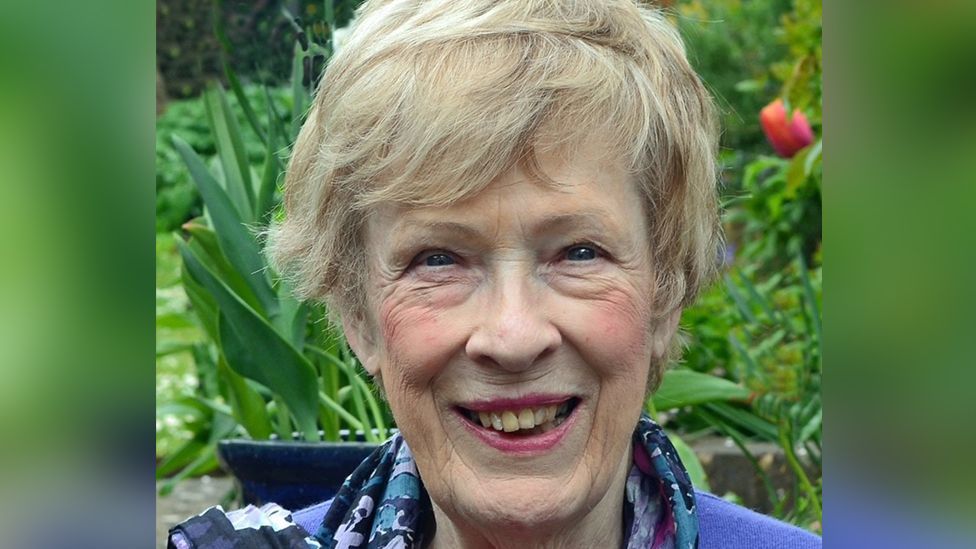
Anne Vickers, 75, travelled to Dignitas in Switzerland in 2015 after being diagnosed with mesothelioma, a cancer which couldn't be treated

Supporting calls for a public inquiry, Ms Farrer said she understood it was a "complex area" with many safeguarding issues, but said her family had been caused so much pain and distress because it was not legal.

"There were so many other things we could have been doing in the last 12 months with her to make her year the best it could have been," she said.

Dr Gordon Macdonald, chief executive of Care Not Killing, said he was disappointed there was another "push" to legalise assisted suicide and euthanasia in the midst of the Covid pandemic.

"Our current laws protect the most vulnerable in our society, the elderly, the sick and disabled from feeling pressured into ending their lives, exactly as we see in the handful of places around the world that allow assisted suicide or euthanasia.

He added: "At a time when we have seen how fragile our NHS is, how underfunding puts pressure on services, and when up to one in four Brits who would benefit from palliative care, but does not currently receive it, to be pushing this ideological policy, seems out of touch, dangerous and desperate."

Newsletter

Related Articles

0:00
0:00
Close
England Tightens School Food Standards With Restrictions on Deep-Fried and High-Sugar Foods
Oxfordshire Village Votes Symbolically to Leave UK Over Proposed Asylum Centre
Michael Marra Elected Leader of Scottish Labour
BBC Cash Reserves Fall Sharply as Financial Pressures Mount
George Osborne Calls for UK to Rejoin EU Customs Union
UK Explores Joining Canada-Led Global Defence Bank
Thirlwall Inquiry Highlights Management Failures Surrounding Lucy Letby Crimes
Parliamentary Committee Calls for New UK Law to Address AI Risks to Human Rights
UK Considers Giving Regional Mayors Greater Oversight of Water Companies
UK Opposition Presses Burnham for Stronger Response to Russian Security Threats
Reform UK Faces Scrutiny Over £72 Million in Donations as Political Finance Rules Tighten
Millisecond Software Failure Behind UK Air-Traffic Outage That Cancelled More Than 2,000 Flights
Bank of England Holds Interest Rate at 3.75% as Energy Prices Complicate Inflation Outlook
Burnham Warns of Difficult Choices in October Budget as UK Inflation Rises to 3.1%
Addison Lee Founder Loses £20.5 Million Non-Domicile Tax Case
BrewDog Creditors Face Heavy Losses After Collapse
Thirteenth Metropolitan Police Officer Dismissed Over Charing Cross Conduct
Oxfordshire Village Votes Symbolically to Leave UK Over Asylum Accommodation Plan
NHS Approves Life-Extending Treatment for Women With Incurable Breast Cancer
Software Defect Blamed for Major UK Air Traffic Disruption
Twenty Women Underwent Unnecessary Mastectomies at County Durham NHS Trust
British Steel Costs Taxpayers £1.3 Million a Day as MPs Demand Long-Term Plan
UK Parliament Advances Sovereign Grant Reform Setting Royal Funding at £99.9 Million
King Charles Urges Human-Centred Approach to Artificial Intelligence at Scotland Summit
House of Lords Begins Scrutiny of Voting-Age and Political Finance Reforms
UK Labour Market Shows Growing Divide Between Younger and Older Workers
Nearly Seven in 10 UK Small Businesses Delay or Cancel Growth Plans as Costs Rise
Andy Burnham Reaffirms UK Net-Zero Target Amid North Sea Energy Debate
UK Parliament Demands Credible Financial and Decarbonisation Plan for British Steel
MPs Urge Government to Reject Thames Water Rescue Deal and Prepare Special Administration
Bank of England Holds Rate at 3.75% as Energy Shock Raises Inflation Risks
TUC Calls for Social Energy Tariff Funded by Higher Taxes on Bank Profits
UK Parliament Enters Conference Recess After Advancing Sovereign Grant Legislation
King Charles Hosts Artificial Intelligence Leaders at Dumfries House Summit
Nearly Seven in Ten UK Small Businesses Delay or Cancel Growth Plans as Costs Rise
Anthropic Details Malicious Use of Claude in Cyber, Weapons and Influence Operations
McLaren Announces £500 Million UK Investment and 1,000 New Jobs
Scotland and Wales Sign Cardiff Agreement to Deepen Cooperation on Shared Policy Priorities
UK Government Moves to Fully Fund Teacher Pay Award as Strike Threat Recedes
UK Competition Regulator Deepens Scrutiny of Microsoft’s Business Software and AI Market Position
NHS England Reforms Focus on Cutting Waiting Lists and Improving Digital Care
England Maintains Mandatory Housing Targets in Push for 1.5 Million New Homes
UK Government Plans Statutory Industrial Strategy Council to Strengthen Long-Term Economic Policy
Asthma Charity Warns of Major Gaps in Childhood Diagnostic Testing Across England
TUC Chief Paul Nowak Appointed to Bank of England Court
Bristol Opens £35 Million Deep-Tech Innovation Hub at Temple Quarter
Oxfordshire Village Votes Symbolically to Leave UK Over Asylum Housing Plan
Andy Burnham Deepens UK Defense and AI Cooperation With NATO and Canada
UK Government Announces Neonatal Safety Reforms After Thirlwall Inquiry
Bank of England Weighs Rate Decision as UK Inflation Rises to 3.1%
×