London Daily

Focus on the big picture.
Monday, Jul 13, 2026

Alcohol-free Guinness set to hit shelves in Britain and Ireland

Alcohol-free Guinness set to hit shelves in Britain and Ireland

Diageo’s Guinness 0.0 comes amid burgeoning interest in low- and no- alcohol drinks

The global drinks company Diageo is to further raise the stakes in the burgeoning low- and no-alcohol drinks sector next week by launching a booze-free version of Guinness in Britain and Ireland.

Guinness 0.0 goes on sale in 4-440ml can packs in off-licences, and Waitrose and Morrisons supermarkets from Monday, before being rolled out to other retailers. But pubgoers will have to wait until next spring to enjoy the new version of the popular Irish stout on draft, while it will be launched in other parts of the world later in 2021.
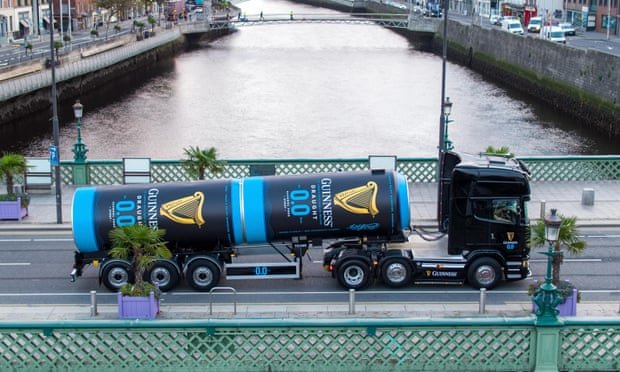

Guinness 0.0 goes on sale on Monday 26 October.


Even before lockdown, an increasing number of brewers were offering more no- and low-alcohol alternatives, while Covid-related restrictions have increased consumers’ thirst for hangover-free options as drinking habits have become home-based.

Using a process that has taken four years to develop, brewers at its St James’s Gate site in Dublin begin by making Guinness to the traditional 261-year old recipe – with water, barley, hops and yeast – before tweaking it to remove the alcohol through cold filtration.

“This is an exceptional day for Guinness, as we finally reveal Guinness 0.0,” said Grainne Wafer, global brand director of Guinness. “The launch highlights our long-held commitment to innovation, experimentation and bravery in brewing, harnessing the power of our brewers and our ingredients to create an alcohol-free beer that is 100% Guinness but 0% alcohol.”

Low-alcohol wines and spirits are also proving attractive to consumers, and it is estimated there are about 70 no-alcohol spirits brands in the UK, up from zero in 2014.

In 2019 Diageo bought the nonalcoholic spirit Seedlip, adding it to a drinks cupboard that includes Johnnie Walker whisky and Gordon’s gin. Its Guinness brand has also launched a 0.5% abv (alcohol by volume) lager called Pure Brew, which was trialled in 250 pubs across Ireland.

Major rivals such as Heineken and Carlsberg have also launched alcohol-free versions of their flagship beer labels. The Belgian brewer AB InBev launched a low-alcohol alternative to Stella Artois earlier this year, pledging that low and no-alcohol products would make up 20% of its drinks portfolio by 2025.

A total of 2.5m pints of Guinness are produced every day at St James’s Gate brewery in Dublin – equivalent to 29.5 pints of Guinness every second. Britain is its largest market, followed by Ireland and Nigeria.


Newsletter

Related Articles

0:00
0:00
Close
UK Prime Minister Keir Starmer Offers Condolences Following Death of Qatar’s Father Amir
UK Regional Innovation Policy Focuses on Research Clusters Across Scotland, Wales, and Northern England
UK Corporate Transparency Rules Set to Become More Strict Under Modern Slavery Reform Plans
UK Civil Service Estate Strategy Shifts Government Activity Away From London
UK Strengthens National Security Powers Through New Threat Designations
Greater Manchester Police Conduct Drink and Drug Driving Operations After Football Events
UK Government Advances Darlington Economic Campus With Construction Milestone
UK Authorities Increase Football-Related Security Operations After Tournament Fixtures
UK Invests Fifty-One Million Pounds in National Cryogenics Facility and Regional Innovation Hubs
UK Moves Toward Tougher Modern Slavery Reporting Rules With Corporate Penalties
UK Government Reports Forty-Three Million Pounds in Savings From Office Estate Reform
UK Government Expands Civil Service Regional Strategy With Manchester and Darlington Campus Projects
UK Designates Iran’s Islamic Revolutionary Guard Corps as National Security Threat
United Kingdom Financial Markets Monitor Business Response to Economic Policy Changes
Scottish Renewable Energy Expansion Highlights Need for Faster Grid Development
Wales and Regions Strengthen Focus on Economic Development Through Tourism and Investment
Retail Industry Warns High Street Businesses Remain Under Pressure
Police Chiefs Highlight Growing Challenges Managing Protests and Public Order
Agriculture Leaders Seek Clarity on Post-Brexit Farming Support and Environmental Rules
Transport Unions Warn of Further Industrial Action Over Pay and Working Conditions
Welsh Tourism Sector Reports Strong Growth Driven by Domestic and International Visitors
National Infrastructure Review Gains Support as Leaders Seek Faster Project Delivery
Financial Markets Assess Impact of United Kingdom Corporate Tax Policy Changes
Northern Ireland Assembly Debates Cross-Border Trade and Infrastructure Cooperation Plans
Government Opens Consultations on Housing Reform and Planning System Changes
Scottish Government Faces Pressure to Accelerate Offshore Wind and Grid Expansion
National Energy System Operator Warns Grid Investment Is Needed for Future Electricity Demand Growth
United Kingdom Research Council Invests in Artificial Intelligence and Biotechnology Innovation Hubs
United Kingdom Expands Oversight of Skilled Worker Visa Sponsors Amid Migration Debate
Cross-Party MPs Call for National Infrastructure Strategy Review to Accelerate Economic Growth
Prime Minister Announces One Billion Pound NHS Funding Package Ahead of Winter Pressures
Bank of England Signals Cautious Approach to Interest Rates as Inflation Remains Above Forecasts
World Cup Visitors Turn American Big-Box Stores Into Souvenir Stops
Netflix Weighs Always-On Channels, Bundles and Short-Form Video
Passenger Is Pulled Partly Outside Ryanair Jet After Window Fails Mid-Flight
Innovation-led growth strategy
Public service reform pressure
Defence and industrial security
Labour leadership transition and economic reset
Northern England Pushes for Greater Influence in Britain’s Future Economic Model
UK Technology Strategy Focuses on Life Sciences, Digital Innovation and Research Investment
Britain and United States Maintain Focus on Pharmaceuticals Cooperation and Industrial Growth
UK Public Services Face Continued Pressure as Government Promises Visible Improvements
Regional Economic Power Becomes Key Theme in Britain’s Next Political Phase
Britain Expands Support for Small Businesses as Firms Seek Better Access to Finance
UK Economy Remains Central Political Challenge as Cost of Living and Growth Concerns Persist
National Health Service Introduces New Workplace Reviews to Improve Conditions for Healthcare Staff
UK Life Sciences Sector Secures More Than Three Billion Pounds in Investment to Support Innovation
Britain Strengthens Defence Strategy as Security Concerns Reshape Military and Industrial Policy
Andy Burnham Promises Stronger UK Defence Industry and Expanded Domestic Production
×